
Homeware trends 2027 are moving far beyond simple aesthetics. Homes are no longer just styled—they’re experienced. From sustainable materials to subtle smart tech and comfort-driven design, the way we choose everyday items is evolving fast.
This guide breaks down exactly what’s changing, why it matters, and how you can apply these trends in a practical, budget-friendly way. Expect real insights, not just inspiration—so you can create a home that feels current and truly yours.
In This Article
The Big Shift: Why Homeware Trends in 2027 Feel Different
The biggest change isn’t a color or a material—it’s a mindset shift. Homes are now expected to support how people live, not just how they look.
From Display to Daily Function
Decor used to prioritize visual appeal. In 2027, every item is expected to serve a purpose.
- Storage that blends into décor
- Furniture that adapts to different uses
- Everyday objects designed for both beauty and utility
This shift is especially noticeable in smaller homes, where every piece must work harder.
Lifestyle Changes Driving Design
Remote work, side hustles, and more time spent at home have reshaped expectations.
Spaces now need to:
- Transition between work and relaxation
- Support mental well-being
- Reduce clutter and visual noise
The result? Homeware that feels calmer, smarter, and more intentional.
Micro-Trends vs Long-Term Shifts
Social media still drives fast-moving trends, but 2027 favors longevity.
Short-term trends:
- Viral décor styles
- Seasonal color spikes
Long-term movements:
- Sustainability
- Comfort-first living
- Flexible design
Focusing on the second category helps avoid constant redecorating.
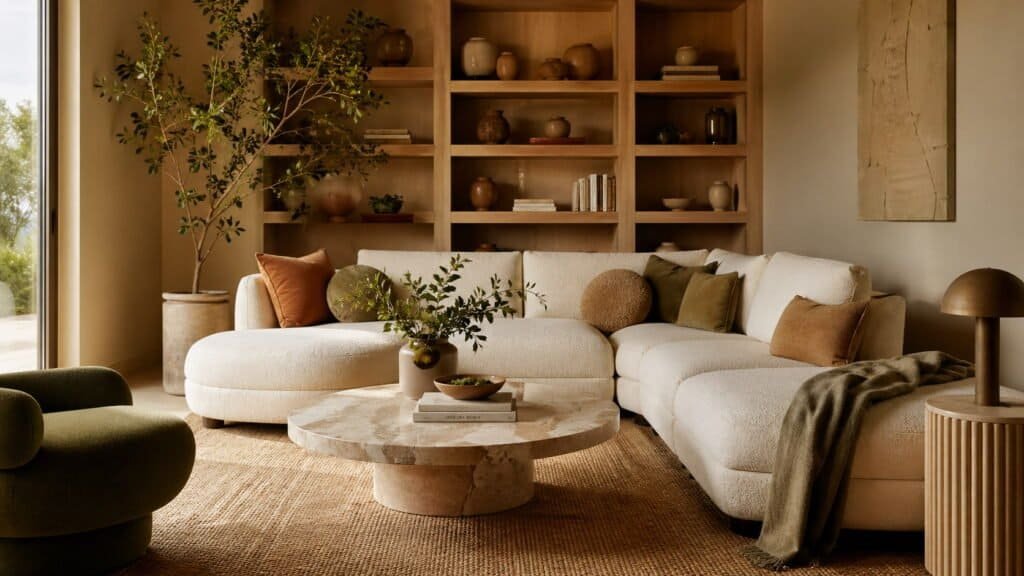
Homeware Trends 2027: The Core Themes Defining Modern Living
Several powerful themes are shaping nearly every homeware decision in 2027. Understanding these makes it easier to spot trends—and choose what actually fits your life.
Sustainability Is Now the Standard
Eco-friendly is no longer a selling point—it’s expected.
Key shifts include:
- Recycled and upcycled materials
- Low-waste production methods
- Longer-lasting products replacing disposable ones
Buyers are paying closer attention to how products are made, not just how they look.
Comfort-First Design Is Replacing Minimalism Fatigue
Ultra-minimalist interiors often felt cold and impractical. That’s changing.
2027 homes lean toward:
- Softer shapes
- Warmer textures
- Layered, lived-in spaces
The goal is simple: spaces that feel good to live in, not just photograph well.
Personal Expression Over Perfect Interiors
Cookie-cutter homes are fading out. Individual style is taking over.
Expect to see:
- Mixed design styles
- Meaningful décor (travel finds, handmade items)
- Bold accents paired with neutral bases
Perfect symmetry is less important than personality.
Tech Integration Without the Clutter
Smart home features are becoming invisible.
Instead of obvious gadgets, you’ll see:
- Lighting embedded into furniture
- Voice-controlled systems hidden in décor
- Multi-functional tech built into everyday objects
The best tech in 2027 is the kind you barely notice.
Materials Taking Over in Homeware Trends 2027
Materials are where trends become tangible. In 2027, they tell a story—of sustainability, texture, and authenticity.
Reclaimed and Responsible Materials
Demand for eco-conscious options continues to grow.
Popular choices include:
- Reclaimed wood with natural imperfections
- Recycled metals with matte finishes
- Bio-based materials made from plant fibers
These materials add character while reducing environmental impact.
The Rise of Soft-Touch Finishes
Texture is becoming just as important as color.
Trending finishes:
- Matte ceramics
- Brushed fabrics
- Velvet and boucle upholstery
These create a more tactile, comfortable environment.
Transparent and Layered Materials
Glass and acrylic are being used in more creative ways.
- Layered surfaces for depth
- Translucent panels for light diffusion
- Lightweight visual design that prevents heaviness
This works especially well in smaller spaces.
Why Imperfection Is Trending
Perfect finishes are giving way to natural variation.
Think:
- Uneven glazes
- Raw edges
- Handmade details
These elements add warmth and authenticity—qualities many modern homes previously lacked.
Color Directions You’ll See Everywhere in 2027
Color in homeware trends 2027 is less about following a palette and more about creating a feeling. Shades are becoming richer, more expressive, and intentionally layered.
Earth Tones, But Deeper and Moodier
Neutrals aren’t disappearing—they’re evolving.
Expect to see:
- Clay browns and terracotta with deeper undertones
- Olive greens shifting toward forest and moss
- Warm beige replaced by caramel and sand
These tones ground a space while adding subtle drama.
Unexpected Pairings That Actually Work
Safe color schemes are giving way to more personality-driven combinations.
Popular pairings include:
- Warm neutrals + cobalt or deep blue accents
- Soft peach + muted green
- Charcoal + dusty pink
The key is balance—one dominant tone, one supporting accent.
Digital-Inspired Hues Enter the Home
As digital life blends with physical spaces, brighter tones are making appearances.
Look for:
- Electric blue accents
- Soft neon gradients
- Iridescent finishes in décor pieces
Used sparingly, these add a modern edge without overwhelming the room.
How to Use 2027 Colors Without Overdoing It
Applying trends doesn’t mean repainting your entire home.
Try this instead:
- Introduce color through cushions, vases, or rugs
- Use bold tones in one focal point per room
- Keep large furniture in neutral shades for flexibility
This approach keeps your space adaptable as trends evolve.
Smart Homeware Trends 2027: Subtle Tech, Smarter Living
Technology in homeware trends 2027 is no longer about showing off—it’s about blending in. The most desirable homes feel intuitive, not high-tech.
Hidden Smart Features in Everyday Items
Tech is being built directly into homeware.
Examples include:
- Coffee tables with wireless charging surfaces
- Mirrors with integrated lighting and touch controls
- Storage units with built-in sensors
These features reduce clutter while improving functionality.
Voice and Automation, Seamlessly Integrated
Smart assistants are becoming more contextual and less intrusive.
Homes now use:
- Automated lighting based on time of day
- Climate systems that adapt to habits
- Voice controls embedded into multiple surfaces
The experience feels natural—almost invisible.
Energy Efficiency as a Design Feature
Efficiency isn’t just practical—it’s part of the aesthetic.
Trending elements:
- Smart lighting with warm dimming features
- Energy-monitoring devices integrated into décor
- Solar-powered accessories for indoor and outdoor use
Sustainability and tech are increasingly connected.
Where to Invest (and Where to Skip)
Not all smart upgrades are worth it.
Worth investing in:
- Lighting systems
- Climate control
- Multi-functional furniture with tech integration
Better to skip:
- Overly complex gadgets
- Trendy devices with limited long-term use
Focus on tech that improves daily routines—not just novelty.
Furniture & Decor Trends: Form Meets Emotion
Furniture in homeware trends 2027 is becoming more expressive, more comfortable, and more adaptable. It’s no longer just about filling a space—it’s about shaping how that space feels.
Rounded, Sculptural Forms Take Center Stage
Sharp lines are fading out, replaced by softer silhouettes.
You’ll see:
- Curved sofas and armchairs
- Organic-shaped coffee tables
- Arched shelving and mirrors
These shapes create a more relaxed, inviting atmosphere.
Modular Living: Flexibility Is Everything
Homes need to adapt quickly—especially with hybrid lifestyles.
Modular furniture offers:
- Reconfigurable seating
- Expandable tables
- Stackable or foldable elements
This is especially valuable in smaller or multi-use spaces.
Statement Pieces vs Layered Minimalism
Minimalism isn’t gone—it’s evolving.
Instead of empty spaces, expect:
- A few bold statement items
- Subtle layering of textures and materials
- Carefully curated décor instead of mass styling
This creates visual interest without clutter.
The Rise of “Comfort Luxury”
Luxury in 2027 feels softer and more personal.
Key elements include:
- Plush upholstery
- Oversized cushions
- Cozy, tactile fabrics
Comfort is no longer a compromise—it’s the main feature.
Small Space, Big Impact: Homeware Trends for Compact Living
Compact homes are driving some of the smartest innovations in homeware trends 2027. Limited space isn’t a constraint anymore—it’s a design opportunity.
Multi-Functional Furniture That Actually Works
Every item needs to earn its place.
Look for:
- Beds with hidden storage
- Foldable desks that disappear after use
- Ottomans that double as seating and storage
These pieces reduce clutter without sacrificing comfort.
Vertical Space Becomes a Design Feature
Walls are no longer just structural—they’re functional.
Smart solutions include:
- Floor-to-ceiling shelving
- Hanging organizers with aesthetic appeal
- Wall-mounted desks and lighting
Vertical design helps maximize space while adding visual interest.
Optical Tricks That Expand Your Space
Design can influence how big a room feels.
Effective techniques:
- Mirrors to reflect light and create depth
- Light color palettes for openness
- Transparent furniture to reduce visual weight
These tricks are simple but incredibly effective.
Rental-Friendly, No-Permanent-Change Solutions
Not everyone can renovate—and 2027 trends reflect that.
Easy upgrades:
- Peel-and-stick surfaces
- Modular storage systems
- Portable lighting and décor
Flexibility is key for modern living.
Kitchen & Dining Homeware Trends 2027
Kitchens are becoming more intentional, more curated, and less cluttered. In homeware trends 2027, this space blends function with subtle design statements.
Open Shelving With a Curated Feel
Instead of hiding everything, kitchens now display with purpose.
What works:
- Matching or complementary dishware
- Neutral bases with a few standout pieces
- Clean spacing to avoid overcrowding
It’s less about storage, more about presentation.
Handcrafted Tableware Takes the Spotlight
Mass-produced perfection is losing appeal.
Trending items:
- Handmade ceramics with unique textures
- Slightly irregular plates and bowls
- Natural finishes like clay and stone
These pieces add character to everyday dining.
Multi-Use Tools Replace Kitchen Clutter
Efficiency is shaping kitchen choices.
Popular swaps:
- One high-quality knife instead of full sets
- Multi-purpose cookware
- Stackable storage containers
Less clutter means easier cooking and cleaning.
Everyday Dining Feels More Elevated
Small details are making a big difference.
Think:
- Linen napkins instead of disposable ones
- Minimal but elegant table settings
- Warm lighting to enhance atmosphere
Dining at home feels more intentional—and more enjoyable.
Bathroom & Wellness Spaces: The Rise of Home Spa Design
Bathrooms are no longer purely functional. In homeware trends 2027, they’re evolving into personal wellness spaces.
Spa-Inspired Accessories at Home
Simple upgrades can transform the entire experience.
Popular additions:
- Wooden bath trays
- Stone soap dispensers
- Soft, oversized towels
These elements create a calm, retreat-like feel.
Natural Materials Lead the Way
Nature-inspired design is central to relaxation.
Common materials:
- Bamboo
- Natural stone
- Clay and ceramic
They bring warmth and authenticity into the space.
Sensory Design: Beyond Visual Appeal
Wellness design engages more than just sight.
Focus areas:
- Soft, layered lighting
- Calming scents (candles, diffusers)
- Textures that feel good to touch
The goal is to create a full sensory experience.
Wellness-Driven Choices Matter More
People are prioritizing how their space supports well-being.
Examples:
- Decluttered surfaces for mental clarity
- Organized storage to reduce stress
- Products that encourage relaxation routines
A well-designed bathroom now supports daily recovery and reset.
Sustainable Homeware Trends 2027 That Actually Matter
Sustainability is everywhere—but not all claims are equal. In homeware trends 2027, the focus is shifting toward meaningful, long-term impact.
What “Eco-Friendly” Really Means Now
Labels alone don’t guarantee sustainability.
Look deeper into:
- Material sourcing
- Production methods
- Product lifespan
Transparency matters more than marketing.
Circular Design Is Gaining Momentum
The idea is simple: nothing goes to waste.
Key concepts:
- Recyclable materials
- Repairable products
- Brands offering take-back programs
This approach reduces environmental impact over time.
Durable Over Disposable Thinking
Buying less—but better—is becoming the norm.
Smart choices include:
- Investing in long-lasting essentials
- Avoiding trend-driven, short-life items
- Choosing timeless designs
Durability saves money and reduces waste.
How to Identify Truly Sustainable Products
Not all “green” products are created equal.
Use this quick checklist:
| Factor | What to Look For |
| Materials | Recycled, natural, or responsibly sourced |
| Build Quality | Solid, long-lasting construction |
| Brand Transparency | Clear information about sourcing and production |
| Longevity | Designed to last years, not seasons |
Making informed choices is more impactful than following trends blindly.
Budget vs Luxury: How to Apply Homeware Trends 2027 at Any Price
You don’t need a full renovation budget to embrace homeware trends 2027. The smartest homes mix affordability with a few intentional upgrades.
High-Impact Changes That Cost Very Little
Small updates can dramatically shift the look and feel of a space.
Focus on:
- Swapping cushion covers in trending textures or colors
- Adding a statement lamp or sculptural décor piece
- Updating hardware (handles, knobs) for a modern touch
These changes are quick, affordable, and easy to reverse.
When It’s Worth Investing in Premium Pieces
Certain items influence both comfort and longevity—these are worth spending more on.
Consider investing in:
- A high-quality sofa or mattress
- Durable dining furniture
- Lighting that defines the mood of a room
These pieces anchor your space and last for years.
Mixing Affordable Finds With Statement Items
A well-designed home rarely comes from one price point.
Try this balance:
- Pair budget décor with one standout piece per room
- Use neutral foundations and layer trend-driven accents
- Combine handmade or artisanal items with mass-produced basics
This creates a curated look without overspending.
Avoiding Trend Overspending
Trends change—your budget shouldn’t suffer because of it.
Smart strategies:
- Test trends through small accessories first
- Avoid committing to bold styles in permanent elements
- Focus on versatility over novelty
Being selective keeps your home both stylish and sustainable.
Style Inspiration: How to Mix 2027 Homeware Trends Into Your Space
Trends only work when they feel cohesive. The goal isn’t to follow everything—it’s to blend what fits your lifestyle.
Layering Textures Without Creating Clutter
Texture is a key element in homeware trends 2027, but balance is essential.
A simple formula:
- One dominant texture (e.g., soft fabric sofa)
- One contrasting material (e.g., wood or metal)
- One accent texture (e.g., ceramic or glass décor)
This keeps the space visually rich but not overwhelming.
Blending Trends With What You Already Own
There’s no need to start from scratch.
Practical approach:
- Keep large furniture pieces and update accessories
- Introduce trending colors through small accents
- Refresh layout instead of replacing everything
This makes your home evolve naturally over time.
Creating Flow Between Rooms
Consistency matters more than matching everything.
To create harmony:
- Repeat 1–2 colors across different rooms
- Use similar materials (wood tones, fabrics)
- Maintain a consistent lighting style
This ties your home together without making it feel repetitive.
Common Mistakes to Avoid
Even great trends can fail if applied poorly.
Watch out for:
- Overloading one room with too many trends
- Ignoring functionality in favor of aesthetics
- Following trends that don’t suit your lifestyle
Good design always prioritizes how a space feels and works.
Future-Proofing Your Home: Trends That Will Last Beyond 2027
Not every trend is built to last. Knowing what will stick helps you design a home that stays relevant.
Timeless Elements Hidden Within Trends
Many 2027 trends are rooted in long-lasting principles.
Look for:
- Natural materials like wood and stone
- Neutral base palettes
- Functional, adaptable furniture
These elements rarely go out of style.
Trends That May Fade Quickly
Some trends are more experimental and short-lived.
Be cautious with:
- Highly specific color fads
- Overly tech-dependent gadgets
- Novelty décor with limited use
Enjoy them in small doses rather than major investments.
Building a Home That Evolves With You
A future-proof home is flexible.
Key strategies:
- Choose modular furniture
- Keep layouts adaptable
- Invest in quality over quantity
This allows your space to change without constant spending.
Final Thoughts: Designing a Home That Feels Like You
Homeware trends 2027 offer more than just visual inspiration—they reflect a deeper shift toward comfort, sustainability, and personal expression. The best spaces aren’t trend-perfect; they’re authentic and functional.
Use trends as a guide, not a rulebook. Focus on what improves your daily life, supports your routines, and brings genuine comfort into your home.
For a deeper understanding of how thoughtful design impacts well-being and communication within living spaces, you can explore this helpful resource from the American Psychological Association: https://www.apa.org/monitor/2020/04/cover-home-design
Frequently Asked Questions
What are the biggest homeware trends in 2027?
The most important trends include sustainable materials, comfort-focused design, subtle smart technology, and personalized interiors that reflect individual style.
How can I update my home with 2027 trends on a budget?
Start with small changes like textiles, lighting, and décor accents. Focus on one or two trends at a time instead of a full redesign.
Are smart home features necessary in 2027 homeware trends?
Not necessary, but highly beneficial. The trend is toward subtle, integrated tech that improves convenience without adding clutter.
Which homeware trends will last beyond 2027?
Timeless materials, neutral color bases, and functional furniture are likely to remain relevant for years.
Is minimalism still popular in homeware trends 2027?
Strict minimalism is fading. It’s being replaced by a softer, more layered approach that emphasizes comfort and personality.
Ready to refresh your space? Start small, stay intentional, and choose pieces that truly enhance how you live—because the best trend is a home that works for you.
