
Furniture design trends 2028 are moving toward a more personal, comfortable, and expressive approach to interiors, where sculptural shapes, natural materials, thoughtful colors, and practical functionality work together. Rather than filling rooms with matching furniture sets, homeowners are increasingly drawn to pieces that combine visual character with everyday usability.
The most exciting furniture design ideas for 2028 balance artistic details with real-life needs. Think curved sofas that soften a living room, richly grained wood that adds warmth, adaptable tables that make smaller homes more flexible, and statement chairs that transform an ordinary corner into something memorable. Sustainability and long-lasting quality also play an important role in choosing furniture that remains appealing beyond a single season.
Whether you’re planning a complete home makeover or looking for a few updates, understanding the anticipated furniture trends for 2028 can help you make smarter decorating decisions. This guide explores the key styles to watch, the materials and finishes worth considering, and practical ways to bring these ideas into your home without overspending.
In This Article
The Biggest Furniture Design Trends 2028 to Watch
The defining furniture design trends of 2028 are expected to focus on individuality, tactile materials, sculptural forms, and flexible living. Instead of following one dominant aesthetic, modern interiors are embracing a mixture of influences, allowing homeowners to create rooms that feel distinctive rather than copied from a showroom.
The following design directions offer inspiration for different rooms, budgets, and decorating styles.
Sculptural Furniture With Artistic Shapes
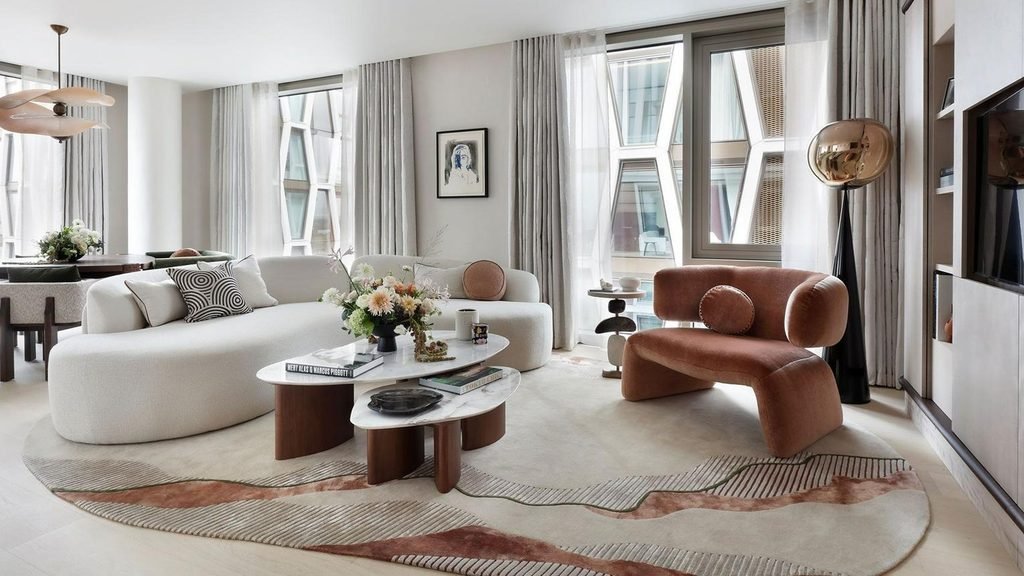
Furniture is becoming an increasingly important part of a room’s visual identity. Sofas, chairs, and tables are no longer simply functional objects; their silhouettes can act as architectural features that give an interior its personality.
Sculptural furniture achieves this effect through unusual proportions, rounded edges, asymmetrical shapes, and distinctive bases. A coffee table with an organic outline or an accent chair with a curved wooden frame can create interest without requiring additional decorations.
Popular styles to consider include:
- Curved sofas: Rounded backs and flowing profiles create a softer, more inviting living room.
- Organic coffee tables: Oval, pebble-shaped, and irregular tabletops introduce movement into otherwise simple layouts.
- Statement accent chairs: Distinctive frames and expressive silhouettes provide a focal point in living rooms, bedrooms, and reading corners.
- Sculptural side tables: Compact tables with cylindrical bases, stacked forms, or unusual proportions add personality without occupying much space.
- Architectural dining furniture: Pedestal tables and boldly shaped chair frames bring visual interest to dining areas.
The secret to using sculptural furniture successfully is restraint. One or two distinctive pieces usually make a stronger impression than filling every corner with unusual shapes.
For example, a rounded cream sofa paired with a simple oak coffee table creates a balanced living room. Adding an intricately shaped armchair and several decorative tables might make the arrangement feel crowded.
Styling tip: Let the silhouette do most of the work. Choose understated upholstery, simple rugs, and uncluttered surfaces when your furniture already has a strong visual presence.
Natural Materials and Tactile Finishes
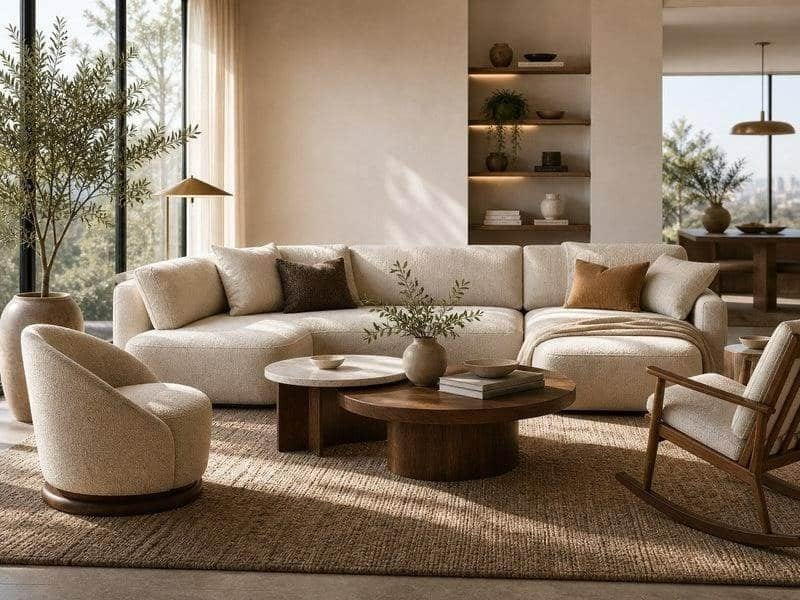
Natural materials remain an appealing direction for interiors because they bring warmth, texture, and a sense of authenticity. Furniture design trends 2028 are likely to continue exploring materials that reveal their natural character rather than relying entirely on glossy surfaces or uniform finishes.
Wood, stone, linen, woven fibers, and tactile upholstery can make even a minimalist room feel more welcoming. Their subtle variations also help furniture look less manufactured and more individual.
Materials worth considering include:
- Natural wood: Oak, walnut, ash, and other wood finishes introduce warmth and visible grain. Lighter woods suit airy interiors, while deeper tones create contrast and richness.
- Stone and stone-look surfaces: Travertine-inspired coffee tables, marble-effect dining tables, and textured side tables add weight and visual depth.
- Linen and cotton upholstery: These fabrics offer a relaxed appearance that works particularly well in casual, contemporary, and organic-inspired spaces.
- Textured woven fabrics: Bouclé-style upholstery, chenille, and other tactile materials give sofas and chairs a more dimensional finish.
- Woven natural fibers: Cane, rattan, and similar materials can soften cabinetry, dining chairs, occasional tables, and storage furniture.
Mixing materials is often more effective than choosing everything in the same finish. A walnut dining table, upholstered chairs, and a subtle metal light fixture can create a layered look without feeling overly decorative.
Durability matters just as much as appearance. A beautiful pale fabric may require more maintenance in a busy household, while heavily textured surfaces can collect dust or be difficult to clean. Stone furniture may also need sealing or special care, depending on the material.
Before buying, consider how the furniture will be used, how often it will need cleaning, and whether the finish will age gracefully.
Styling tip: Start with two dominant materials, such as wood and linen, then introduce a third through smaller accents. This creates visual variety while keeping the room cohesive.
Comfort-First Furniture With Refined Proportions
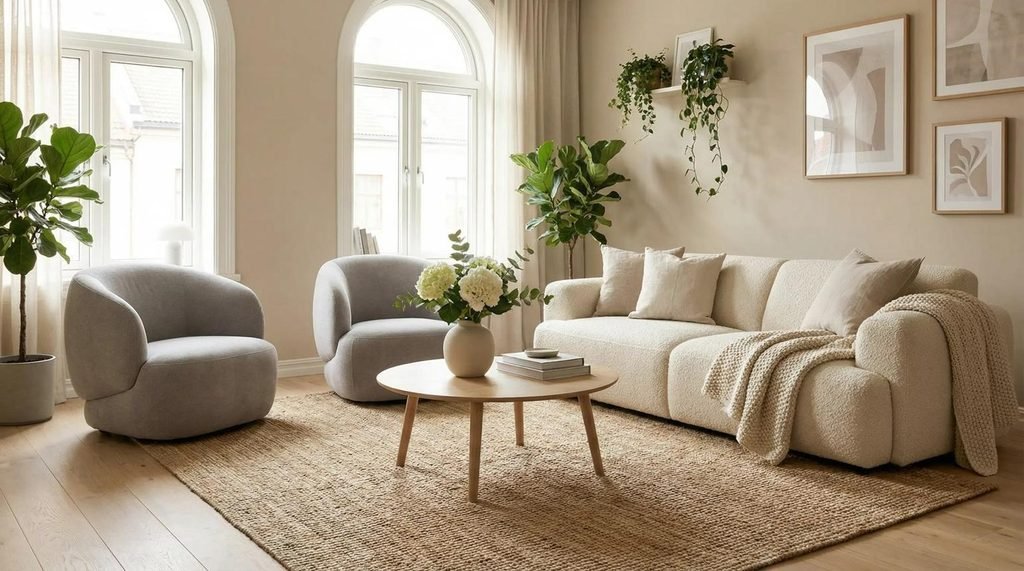
Comfort remains one of the most important considerations when choosing furniture. Beautiful pieces may attract attention in a showroom, but they need to work just as well during an ordinary evening at home.
The direction toward comfort-first design combines inviting proportions with a considered appearance. Sofas may feature generous cushions and rounded arms, while dining chairs increasingly emphasize supportive seating and bedrooms favor upholstered surfaces that make the space feel softer.
This approach does not mean every room needs oversized furniture. The best furniture balances comfort with the available space.
Consider these practical choices:
- Choose sofas with seat depths that suit the people using them rather than selecting the deepest model available.
- Look for dining chairs with supportive backs and comfortable seats, especially if the dining table doubles as a workspace.
- Select upholstered headboards that provide comfortable support for reading or relaxing in bed.
- Use padded benches in entryways or at the end of a bed when extra seating serves a practical purpose.
- Consider rounded edges in compact rooms where furniture sits close to walking paths.
Proportion is particularly important in smaller homes. A deep, low sofa might look luxurious, but it can overwhelm a narrow living room. A more compact design with comfortable cushioning may deliver the same relaxed feeling while preserving valuable floor space.
It is also worth checking the construction beneath the upholstery. Cushion density, frame quality, suspension, and fabric durability all influence how a sofa performs after years of regular use.
Styling tip: Combine soft seating with visually lighter furniture. A generously cushioned sofa paired with a slim-legged side table or an open-frame accent chair keeps the room from feeling too heavy.
Flexible Furniture for Changing Spaces
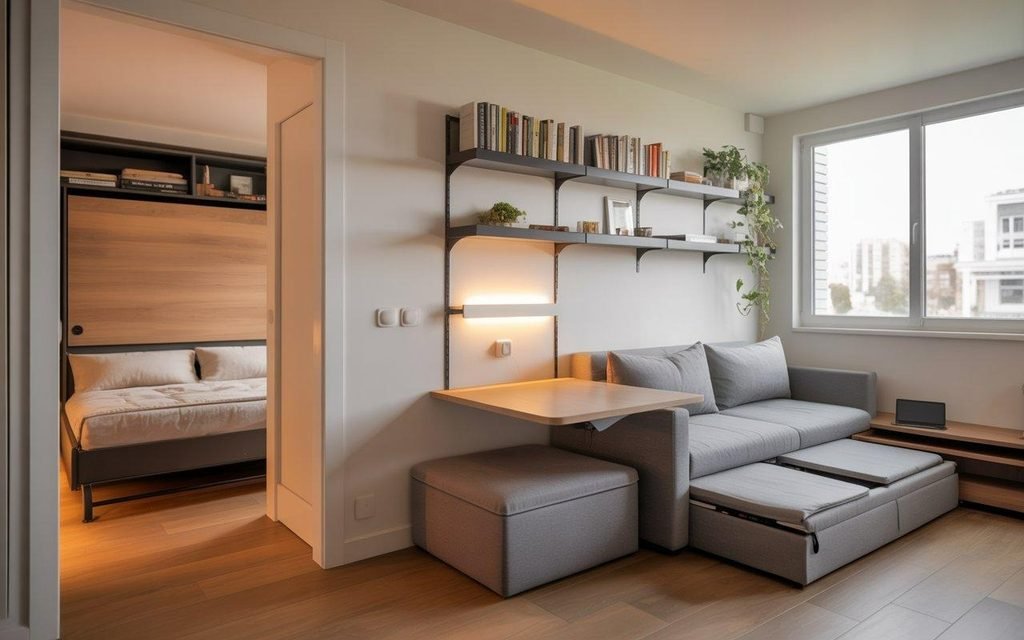
Homes often need to serve several purposes at once. A living room may become a home office during the day, a dining area may accommodate guests at weekends, and a spare bedroom may need to function as a workspace for most of the year.
Flexible furniture addresses these changing needs without requiring a larger home. It is therefore a useful direction for apartments, compact houses, and households that value adaptable layouts.
Some of the most practical options include:
- Modular sofas: Individual sections can be rearranged to suit different room layouts or seating requirements.
- Extendable dining tables: Compact tables provide everyday dining space and expand when guests arrive.
- Nesting tables: Smaller tables can be tucked away when they are not needed, freeing up floor space.
- Storage ottomans: These provide extra seating or a footrest while concealing blankets, games, and other everyday items.
- Convertible furniture: Sofa beds and other transformable pieces can help a single room serve more than one purpose.
- Mobile side tables: Lightweight designs can move between a sofa, reading chair, or workspace as needed.
The most useful multifunctional furniture is easy to operate and comfortable in every configuration. A complicated mechanism or a table that is difficult to extend can become frustrating if it is used frequently.
Measure the room in both its everyday and expanded layouts before purchasing. An extendable dining table may fit comfortably against a wall when closed but obstruct circulation when fully opened.
Styling tip: Prioritize flexibility in rooms that change function throughout the day. Keep more permanent, statement-making furniture in spaces where the layout is unlikely to change.
Organic Curves vs. Clean Lines: Which Furniture Shapes Will Define 2028?
One of the most interesting furniture design trends for 2028 is the contrast between soft, organic shapes and crisp, architectural lines. Both approaches can look contemporary, but they create different moods and work best in different settings.
Organic furniture tends to feel relaxed and expressive. Clean-lined furniture, meanwhile, offers structure and visual clarity. Rather than choosing one style exclusively, many interiors benefit from combining the two.
Why Curved Furniture Continues to Attract Attention
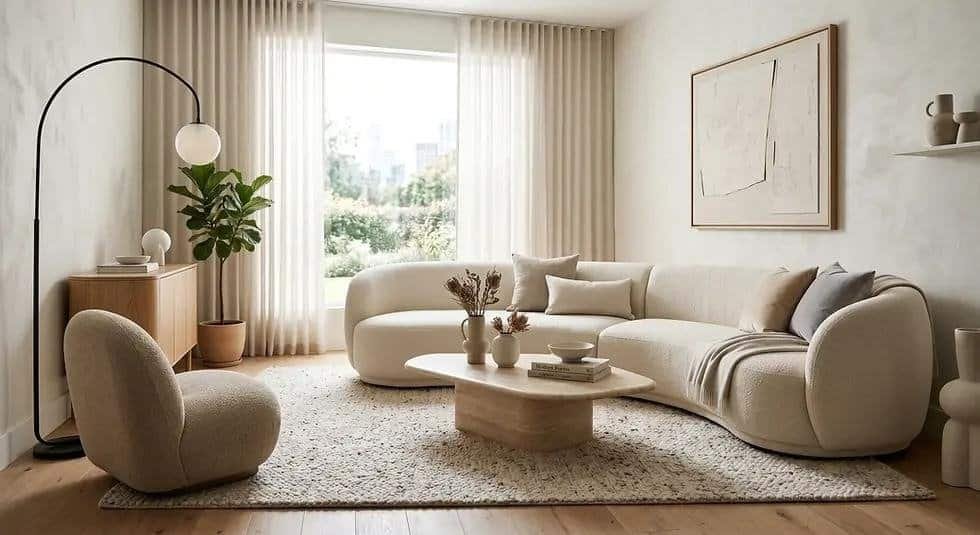
Curved furniture introduces movement into a room dominated by straight walls, rectangular windows, and conventional floor plans. Rounded forms can soften the overall appearance and make a seating area feel more conversational.
Curves work particularly well in living rooms, where a rounded sofa or oval coffee table can create a natural focal point. In bedrooms, curved headboards and rounded bedside tables can make the space feel less rigid.
Consider curved furniture when you want to:
- Soften a room with strong architectural lines.
- Create a welcoming seating area for conversation.
- Add visual interest without relying on bright colors.
- Introduce a distinctive shape into a neutral interior.
- Make a large room feel more connected through a clearly defined furniture arrangement.
Curved furniture still requires careful placement. A large rounded sofa may occupy more floor area than expected, and its shape can make it harder to position against a wall. Check the dimensions and leave enough space for comfortable movement around the piece.
The Lasting Appeal of Clean, Architectural Lines
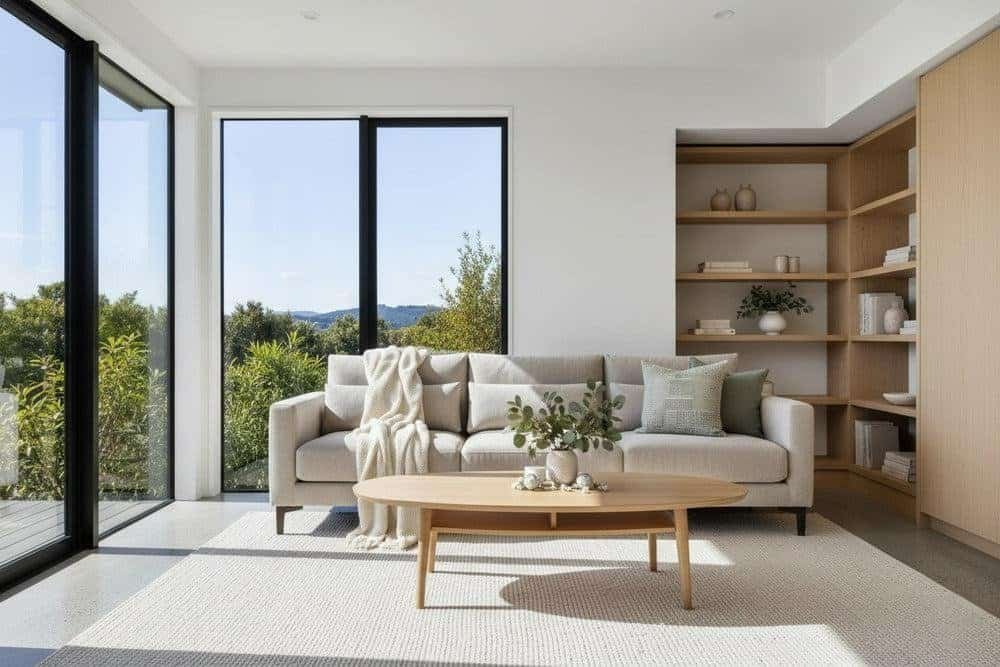
Straight-lined furniture offers a different kind of visual appeal. Rectangular coffee tables, streamlined sofas, simple cabinets, and geometric dining tables can make a room feel organized and balanced.
These pieces are particularly useful when you want a timeless foundation. Their relatively simple silhouettes can work with changing wall colors, rugs, artwork, and decorative accessories, reducing the need to replace large furniture items whenever your preferences evolve.
Clean-lined furniture also tends to be practical in rooms where efficient use of space matters. Rectangular dining tables fit neatly into many layouts, while streamlined storage units can provide substantial capacity without adding unnecessary visual complexity.
To avoid making the room feel too formal, introduce softer elements through upholstery, cushions, rugs, curtains, or rounded accessories.
How to Mix Curved and Straight Furniture Successfully
The most interesting interiors often combine both approaches. A room filled exclusively with curves can feel overly themed, while an interior dominated by hard edges may appear rigid.
Use the following combinations as starting points.
| Furniture combination | Visual effect | Best suited to |
| Curved sofa + rectangular coffee table | Balanced and contemporary | Everyday living rooms |
| Straight-lined sofa + oval coffee table | Softer without losing structure | Compact or narrow rooms |
| Round dining table + linear dining chairs | A mix of warmth and definition | Modern dining spaces |
| Upholstered curved headboard + simple bedside tables | Relaxed and understated | Contemporary bedrooms |
| Sculptural accent chair + minimalist shelving | Artistic focal point with visual balance | Reading corners and open-plan rooms |
The key is to repeat a shape or material at least once elsewhere in the room. For example, an oval coffee table can relate to a rounded floor lamp or circular wall mirror, while a straight-lined sofa can connect visually with a rectangular rug or simple shelving.
Choosing Furniture Shapes for Your Room Size
Room dimensions should guide your decision as much as personal taste.
For small rooms: Favor compact furniture, open bases, and shapes that preserve clear walking paths. A small oval coffee table may be easier to navigate around than a bulky rectangular design with sharp corners.
For large living rooms: Use a curved sofa or sculptural armchair to create a distinct seating zone. Larger spaces can accommodate more substantial furniture, provided the arrangement remains balanced.
For narrow rooms: Straight-lined furniture often makes positioning easier, although rounded accent pieces can soften the layout. Avoid furniture that blocks natural pathways or makes the room feel divided.
For open-plan spaces: Combine different silhouettes to distinguish the living, dining, and working areas without adding physical partitions.
Ultimately, furniture design trends 2028 are less about choosing a single shape and more about creating a thoughtful relationship between form, comfort, and function. Select pieces that suit your space first, then use contrasting silhouettes to give the interior personality.
Furniture Materials in 2028: Wood, Stone, Metal, and Textured Fabrics
The materials used in furniture can change the entire atmosphere of a room, even when the shapes and layout remain the same. Furniture design trends 2028 are expected to favor a thoughtful mix of natural textures, tactile upholstery, expressive wood grain, and carefully chosen metal or stone accents.
Rather than relying on perfectly matched finishes, modern interiors can feel more distinctive when different materials complement one another. A warm wooden dining table, a textured upholstered chair, and a stone-look side table can create depth without making the space feel busy.
The key is choosing materials that suit your lifestyle as well as your preferred aesthetic. Some finishes are easy to maintain, while others require more attention to preserve their appearance.
Wood Furniture With Visible Grain and Warm Character
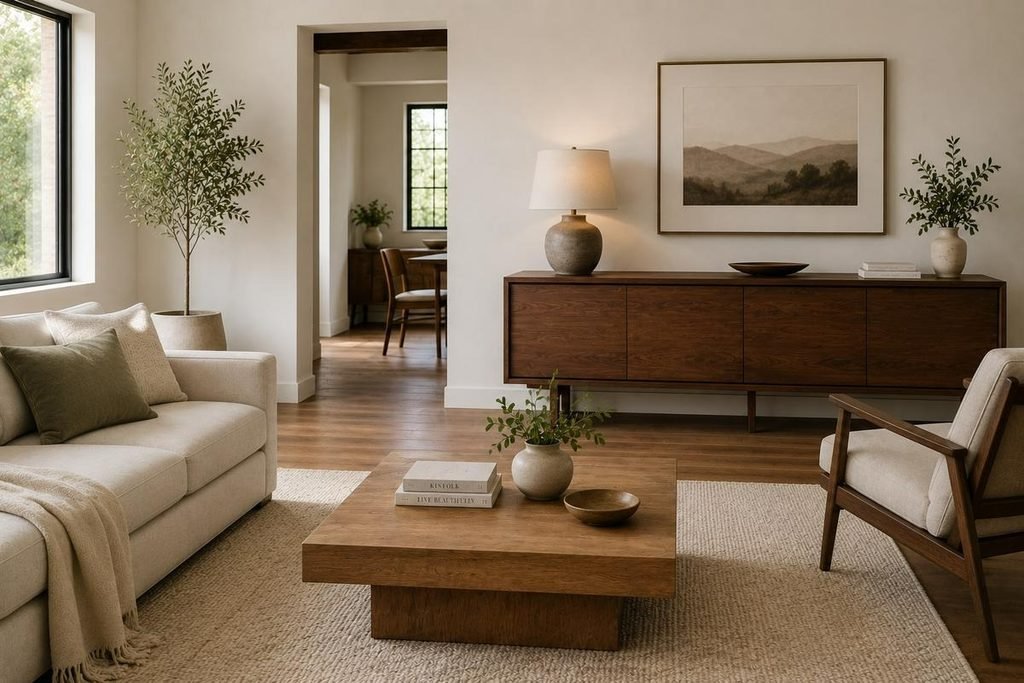
Wood remains one of the most versatile materials for contemporary furniture because it brings warmth and visual texture to almost any interior style. In 2028, natural-looking finishes and distinctive grain patterns are worth watching as homeowners seek furniture that feels individual rather than overly manufactured.
The appeal lies in the character of the material. Subtle knots, tonal variations, and visible grain can make a wooden table or cabinet feel more authentic. Matte and low-sheen finishes are useful options when you want the wood’s natural appearance to remain the focus.
Different wood tones create different effects:
- Light oak: Works beautifully in Scandinavian-inspired, minimalist, and organic modern interiors. It keeps rooms feeling bright and pairs easily with cream, beige, muted green, and soft gray.
- Warm walnut: Adds richness and contrast, making it a strong choice for coffee tables, dining furniture, bedside tables, and cabinetry.
- Deep brown wood: Creates a more dramatic atmosphere, particularly when paired with warm lighting, textured fabrics, and lighter wall colors.
- Natural ash and similar pale woods: Offer a clean, understated appearance that works well in contemporary homes and smaller rooms.
Mixing wood tones can also produce a more collected, lived-in look. The trick is to maintain a visual connection between them. For example, a light oak dining table can work with darker walnut chairs if the upholstery, flooring, or decorative accessories help bridge the difference.
Avoid introducing too many unrelated wood finishes in one small room. Two or three complementary tones are usually easier to coordinate than several competing shades.
Practical buying tip: Check the actual construction rather than judging a piece by its finish alone. Solid wood, veneer, and wood-look laminate have different costs, maintenance requirements, and repair possibilities. A well-made veneered cabinet can be a practical choice, while a solid wood dining table may appeal to someone who wants a surface that can be refinished over time.
Stone and Stone-Look Surfaces for a Refined Interior
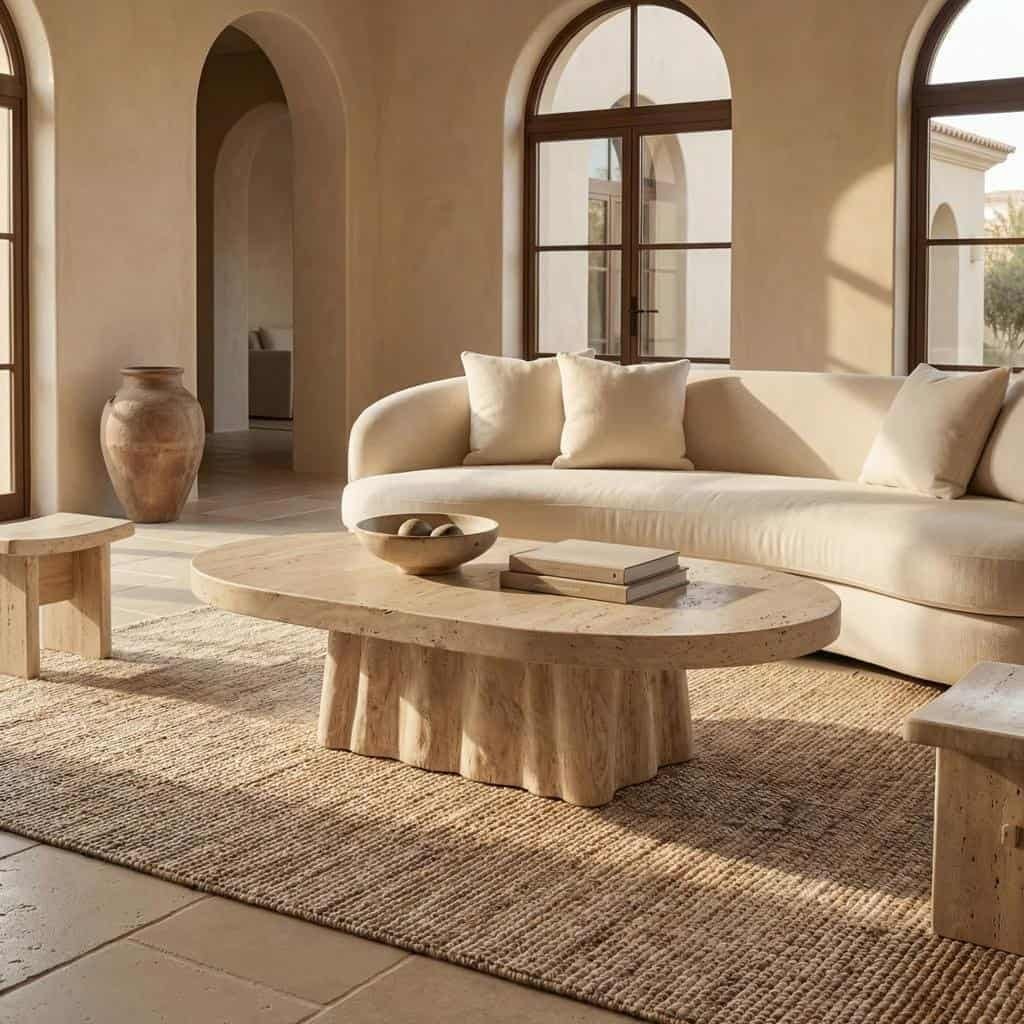
Stone introduces a sense of permanence and visual weight that can balance the softness of contemporary upholstery. Coffee tables, side tables, dining tables, and occasional furniture are particularly effective places to use stone or stone-inspired finishes.
Travertine-inspired surfaces, marble patterns, and other mineral-like textures can introduce subtle variation without relying on bright colors or elaborate decoration.
These materials work especially well when paired with natural wood and soft upholstery. A pale stone coffee table against a warm beige sofa, for example, creates contrast through texture rather than color. Darker stone surfaces can produce a more dramatic effect when combined with walnut furniture or cream-colored walls.
There are several options to consider:
- Natural stone: Offers authentic variations in color and pattern, although weight, porosity, and maintenance requirements depend on the stone.
- Engineered stone: Can provide a more consistent appearance, depending on the product and its intended application.
- Stone-look ceramic or porcelain: Offers another way to achieve a mineral-inspired aesthetic, with care requirements that vary by surface and construction.
- Stone-effect laminate: Can deliver a similar visual impression at a lower price, making it useful for budget-conscious interiors.
Before buying stone furniture, consider where it will be placed. A heavy stone coffee table may be difficult to move, while some natural stones can stain or react to acidic spills. Families with young children may prefer rounded corners and surfaces that are easier to maintain.
Styling tip: Let one stone piece take center stage. When the table has a distinctive pattern or sculptural base, keep nearby furniture relatively simple so the room feels considered rather than overloaded.
Metal Accents That Add Definition
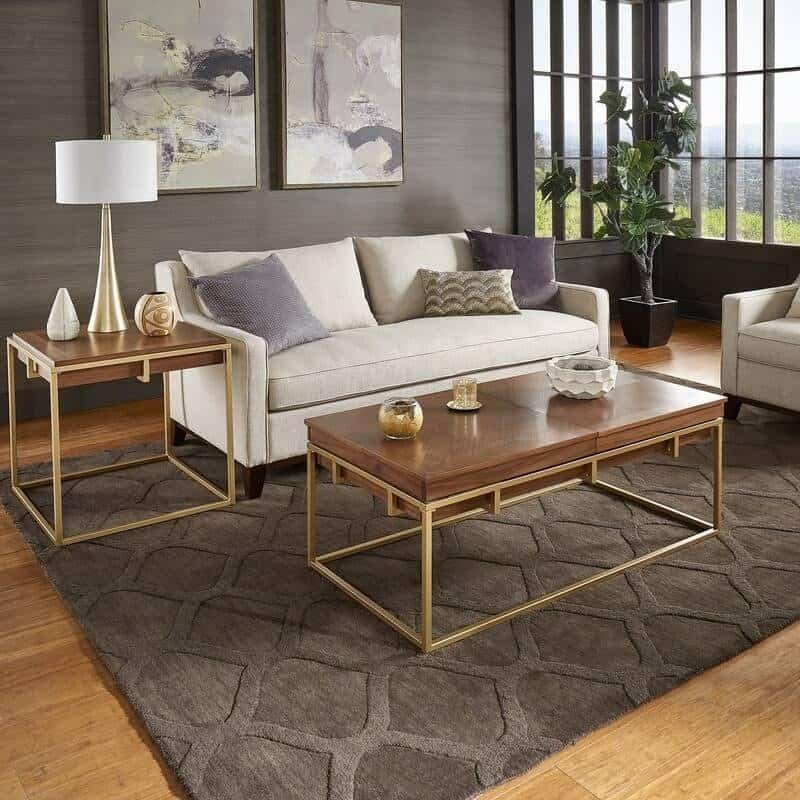
Metal adds definition to furniture that might otherwise feel too soft or visually heavy. Slim table legs, dark frames, metal handles, and sculptural bases can introduce a more architectural element without dominating the room.
The most effective metal finishes depend on the atmosphere you want to create.
Brushed brass and warm metallic finishes work well with walnut, cream upholstery, warm whites, and earthy colors. They can make a room feel polished without the reflective intensity of highly glossy gold.
Black and dark metal create stronger contrast. These finishes are useful in contemporary, industrial, and minimalist interiors, especially when paired with light wood or pale upholstery.
Brushed steel and silver-toned finishes provide a cooler, understated look. They can complement gray fabrics, dark wood, glass, and clean-lined furniture.
Metal does not need to appear on every furniture piece. A black-framed side table, a metal-legged accent chair, or a cabinet with understated hardware may provide enough contrast.
Mixing metal finishes is possible, too. Keep one finish dominant and repeat the secondary finish in a few smaller details. This helps different pieces feel connected rather than randomly assembled.
When comparing furniture, pay attention to the quality of the finish, especially on frequently handled areas. Scratches, fingerprints, and wear can become noticeable on certain polished or coated surfaces.
Textured Upholstery and Tactile Fabrics
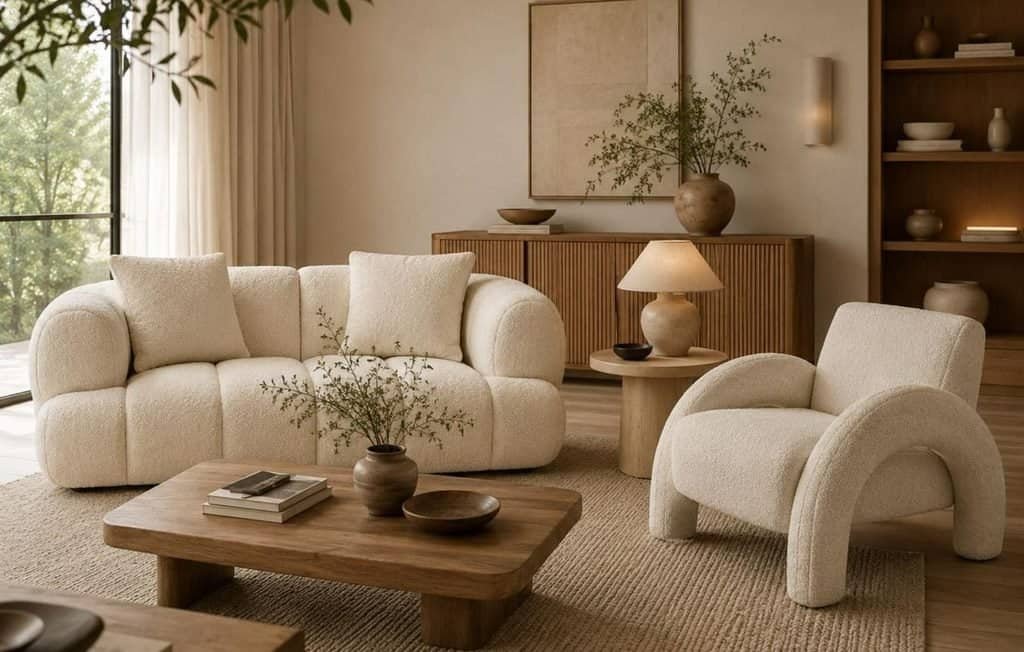
Upholstery is one of the easiest ways to introduce personality into a room. Even a simple sofa can feel distinctive when its fabric has visible texture, subtle color variation, or a soft, inviting finish.
Furniture design trends 2028 offer plenty of opportunities to explore texture without relying on bold patterns. Bouclé-style fabrics, linen, chenille, velvet, and durable woven materials each create a different visual and tactile effect.
| Upholstery material | Appearance | Practical consideration |
| Linen | Relaxed, natural, and lightly textured | Can wrinkle and may require careful cleaning |
| Bouclé-style fabric | Soft, looped, and dimensional | Some weaves can snag or collect debris |
| Chenille | Plush with a soft, rich surface | Cleaning and wear resistance depend on the construction |
| Velvet | Smooth, luxurious, and color-rich | Shows shading and pressure marks on some finishes |
| Performance fabric | Available in many colors and textures | Check the specific cleaning and durability claims |
Texture can also help connect different furniture pieces. A linen sofa, a woven accent chair, and a smooth wooden coffee table create variety while keeping the overall palette restrained.
For a neutral room, combine several textures in related shades rather than introducing too many colors. Cream upholstery, a nubby accent chair, and a natural wool rug can feel rich and layered without appearing overly decorative.
Households with pets or children should consider practical details before choosing delicate upholstery. Removable covers, cleanability, abrasion resistance, and the likelihood of snagging may matter more than the fabric’s appearance in a showroom.
The best approach is to combine beauty with everyday practicality. Choose tactile fabrics for pieces you use frequently, but make sure their maintenance requirements match your routine.
Furniture Color Trends 2028: Shades That Bring Rooms to Life
Furniture color trends 2028 are worth exploring if you want to update a room without replacing everything in it. Color can transform the mood of a space, add contrast to neutral surroundings, or connect furniture with existing flooring, wall paint, and decorative accessories.
Rather than treating any particular shade as a guaranteed trend, consider the broader palette directions that work well with contemporary interiors: warm neutrals, earthy greens, rich browns, deep blues, and carefully chosen statement colors.
The most successful furniture colors are not necessarily the boldest. They are the shades that complement your home’s lighting, materials, and existing furnishings while remaining appealing over time.
Warm Neutrals That Make Furniture Feel Timeless
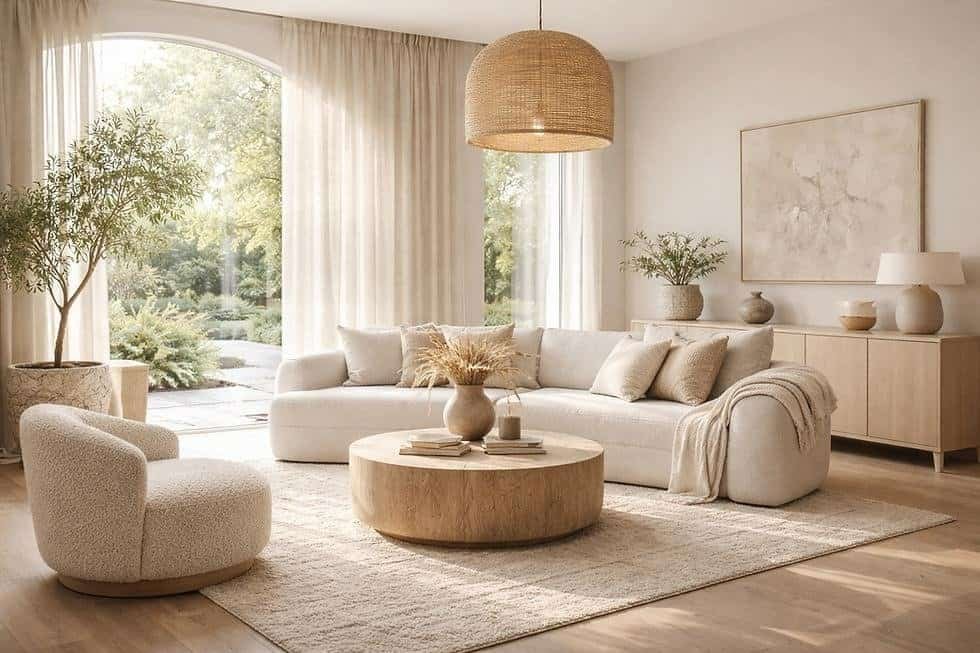
Cream, oatmeal, beige, taupe, and warm gray remain useful choices for large furniture pieces because they are relatively easy to coordinate with other colors. These shades can create a calm foundation while allowing texture and silhouette to provide visual interest.
A warm neutral sofa, for example, can work with natural wood furniture, earthy rugs, muted green cushions, or darker accent tables. Changing those smaller elements can refresh the room without requiring a new sofa.
Warm neutrals are particularly effective when you want to create a relaxed interior that does not feel sterile. Combining several related shades produces a layered effect that is more inviting than using the same flat color throughout the room.
Try these combinations:
- Cream and natural oak: Bright, understated, and suitable for contemporary or Scandinavian-inspired spaces.
- Taupe and walnut: Richer and more grounded, especially in rooms with warm lighting.
- Oatmeal and muted green: Natural and relaxed, with just enough contrast to keep the room interesting.
- Warm gray and dark brown: A more restrained combination that suits modern interiors with clean lines.
When buying pale upholstered furniture, check the fabric under the lighting conditions of your home. A cream sofa can appear yellow, pink, or gray depending on the surrounding colors and the temperature of your light bulbs.
Earthy Browns and Muted Greens for a Natural Look
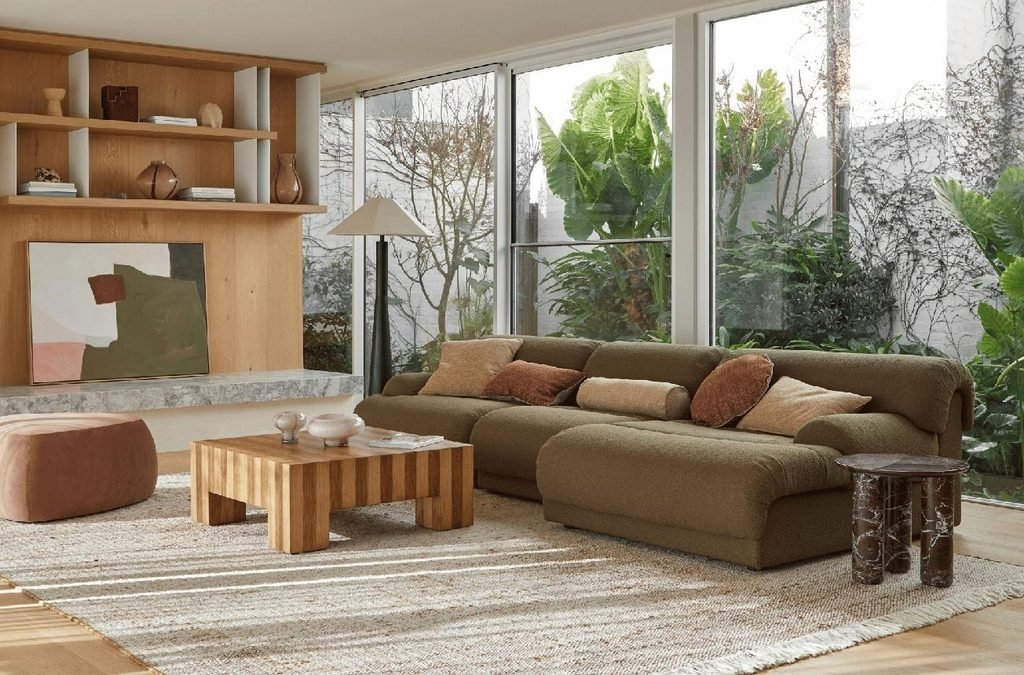
Earthy colors are a natural match for furniture made from wood, stone, and tactile fabrics. Browns and muted greens can bring depth to a room while maintaining a connection to natural materials.
Olive, sage, and moss green are useful upholstery or accent colors when you want something more distinctive than beige but less intense than a bright jewel tone. They pair particularly well with oak, walnut, warm white walls, and natural woven accessories.
Brown furniture offers another way to create richness. A chocolate-colored sofa, a walnut sideboard, or a dark brown accent chair can anchor a room that might otherwise feel too pale.
The combination of green and brown is especially effective because neither color needs to dominate. A muted green chair beside a walnut side table can introduce a natural palette without turning the entire room into a themed space.
For smaller rooms, consider using earthy colors on one or two furniture pieces rather than across every large surface. A green accent chair or a brown upholstered bench can create the desired effect while keeping the overall space open.
Deep Blues and Expressive Accent Colors
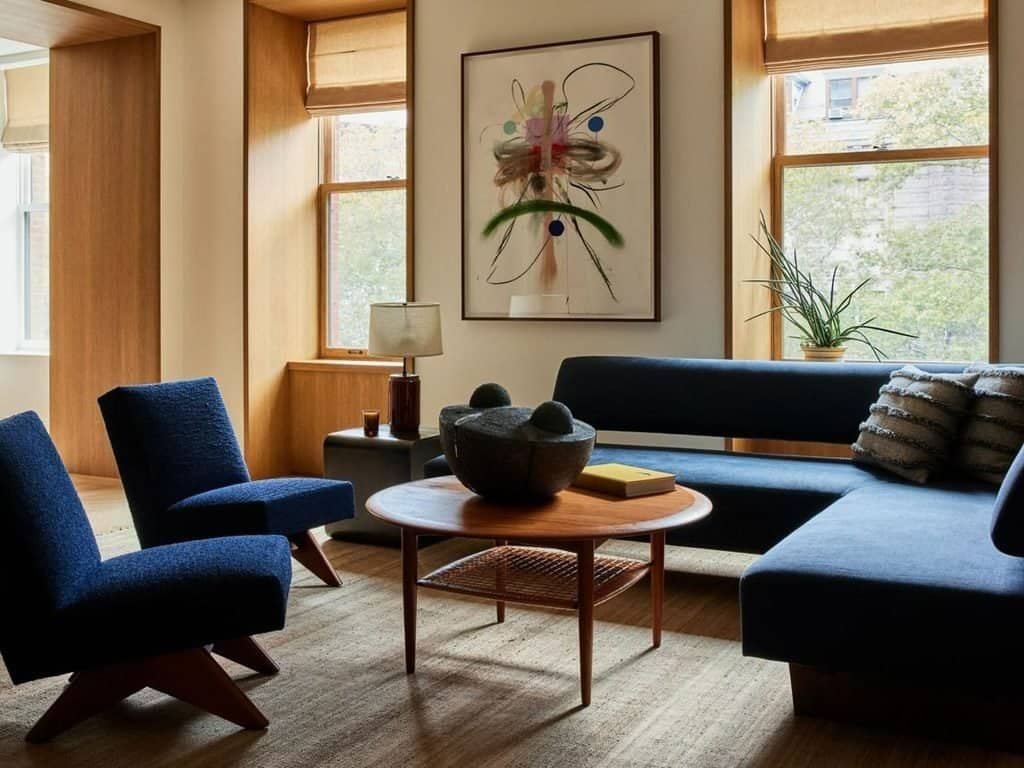
Homeowners who want stronger visual contrast can explore deep blue, muted burgundy, rust, or other saturated shades through accent furniture. These colors can give a room more personality without requiring dramatic changes to the walls or flooring.
Deep blue works well on sofas, armchairs, and upholstered dining chairs. It can look sophisticated beside cream walls, warm wood, brushed metal, or pale stone.
Rust and terracotta tones bring warmth to contemporary spaces. They are particularly effective with natural wood, off-white upholstery, and earthy textiles. Muted burgundy can introduce a richer, more dramatic note, especially in rooms with warm lighting and darker furniture.
The important distinction is between using color intentionally and letting every piece compete for attention.
If you choose a bold sofa, keep the surrounding furniture relatively simple. Neutral chairs, a natural wood coffee table, and a restrained rug can allow the sofa to become the room’s focal point.
Smaller accent pieces offer a lower-risk way to experiment. A colored side chair, upholstered ottoman, or painted bedside table can introduce a new shade without committing to an expensive centerpiece.
How to Coordinate Furniture Colors With Walls, Flooring, and Decor
Choosing a furniture color becomes easier when you consider the room as a complete composition rather than selecting each piece independently.
Start with the elements that are expensive or difficult to change. Flooring, kitchen cabinetry, wall finishes, and large existing furniture pieces can provide the foundation for your palette.
Use these principles to build a cohesive scheme:
- Match undertones, not necessarily exact colors. Warm wood and creamy upholstery often work well together because their undertones feel compatible.
- Create contrast deliberately. Dark furniture against light walls can add definition, while pale furniture against a deeper wall creates a softer focal point.
- Repeat accent colors. A green chair can connect with artwork, cushions, or a small decorative object elsewhere in the room.
- Balance visual weight. Several dark furniture pieces may make a small room feel heavy, particularly if the flooring and walls are also dark.
- Consider natural light. North-facing rooms, shaded interiors, and bright sunlit spaces can make the same furniture color look noticeably different.
A simple example is a living room with warm white walls, medium oak flooring, and a cream sofa. Adding a walnut coffee table, a muted green accent chair, and a few rust-colored cushions creates depth while maintaining a coherent palette.
You do not need to follow a strict color formula. The goal is to establish a clear relationship between the main furniture pieces and then use smaller accessories to introduce variation.
Budget-friendly idea: Before replacing furniture, experiment with cushion covers, throws, slipcovers, or a painted side table. These small changes can help you decide whether a color suits the room before you invest in a larger piece.
Living Room Furniture Trends 2028: Sofas, Chairs, and Coffee Tables That Stand Out
The living room is often the best place to introduce furniture design trends 2028 because it combines practical everyday needs with opportunities for visual expression. A carefully chosen sofa, an interesting accent chair, or a distinctive coffee table can change the character of the entire room.
The most effective living room designs balance statement pieces with comfortable seating, useful storage, and enough open space to move around easily. You do not need to replace every item to create a more contemporary interior. Start with the pieces that influence the room’s layout and appearance most strongly.
Sofas That Combine Comfort, Shape, and Personality
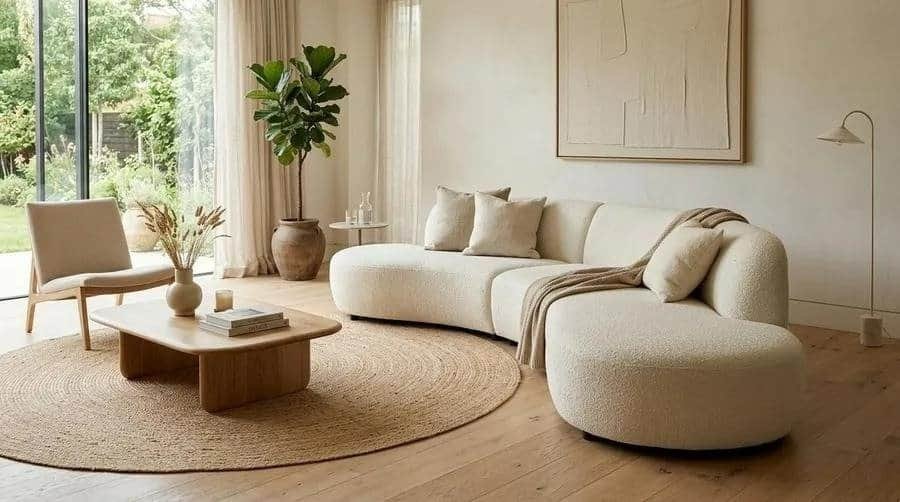
The sofa usually occupies more visual space than any other living room furniture piece, making it a natural starting point for a redesign.
Curved sofas, modular seating, relaxed silhouettes, and textured upholstery are all worth considering when exploring furniture trends for 2028. The right choice depends on the size of the room, how many people use it, and whether the sofa needs to support activities such as reading, entertaining, or watching television.
Curved sofas work well when you want a softer, more sculptural arrangement. They can create a natural gathering point in a large living room, especially when paired with an oval coffee table.
Modular sofas are useful for households that need flexibility. Depending on the design, sections can be rearranged to accommodate guests, open up floor space, or adapt to a new layout.
Streamlined sofas remain practical for smaller rooms. A compact frame, raised legs, and well-proportioned arms can create a lighter appearance without sacrificing comfort.
Textured upholstery offers another way to update a sofa without choosing an unusual shape. Linen-look fabrics, chenille, and other woven materials can make simple furniture feel more distinctive.
Before purchasing, measure the available area and check the sofa’s full dimensions, including its depth and arm width. Remember to measure doorways, staircases, hallways, and elevator access if the sofa is being delivered.
Comfort should be tested in person whenever possible. Seat height, depth, back support, and cushion firmness affect how the sofa feels during everyday use.
Accent Chairs That Turn Empty Corners Into Features
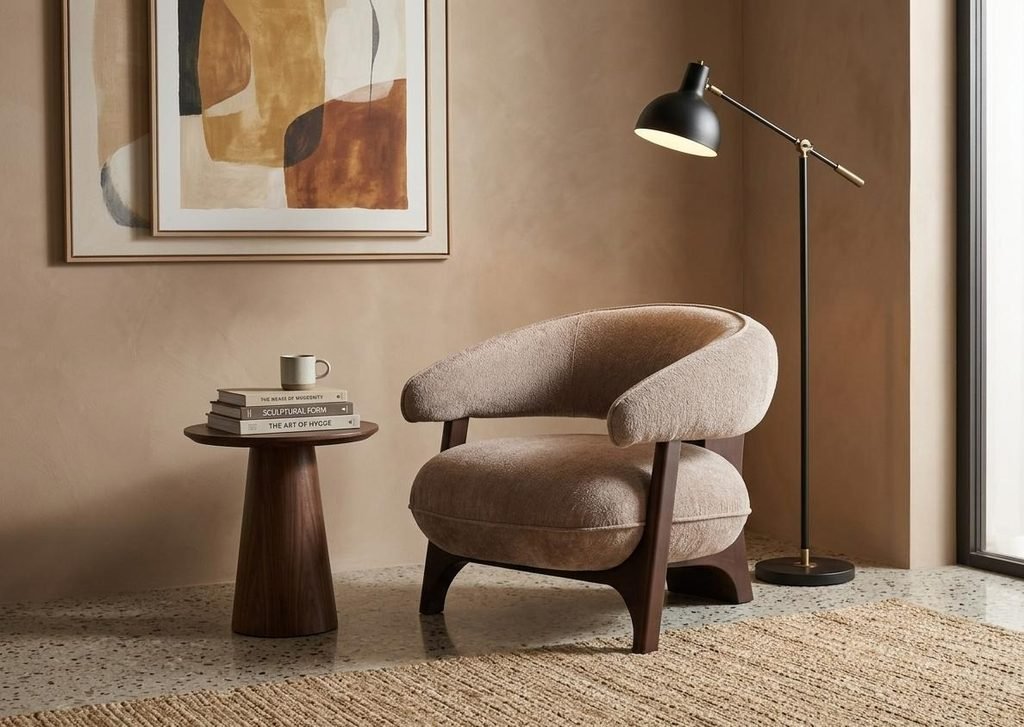
An accent chair is a relatively simple way to introduce a new shape, material, or color without changing the entire living room. It can provide additional seating, define a reading corner, or balance the visual weight of a large sofa.
For 2028-inspired interiors, consider chairs with rounded backs, expressive wooden frames, textured upholstery, or distinctive legs. A well-chosen chair can serve as a focal point even when the rest of the furniture is understated.
Think about the chair’s purpose before choosing its appearance.
- For reading: Look for supportive seating, comfortable armrests, and enough room for a floor lamp or side table.
- For entertaining: Choose a chair that allows conversation with people seated on the sofa rather than facing an unrelated direction.
- For small living rooms: Consider compact accent chairs with open frames or visually lighter bases.
- For adding color: Use a chair in olive green, deep blue, rust, or another complementary shade.
- For a relaxed interior: Combine a textured upholstered chair with a simple wooden table and a soft rug.
Placement is just as important as the design. A chair tucked into a corner may look attractive but become impractical if it blocks a doorway or interrupts the main walking route.
If the room already contains a bold sofa or patterned rug, a simpler accent chair may provide better balance. When the rest of the furniture is understated, a sculptural chair can become the main decorative feature.
Coffee Tables With Organic Shapes and Useful Surfaces
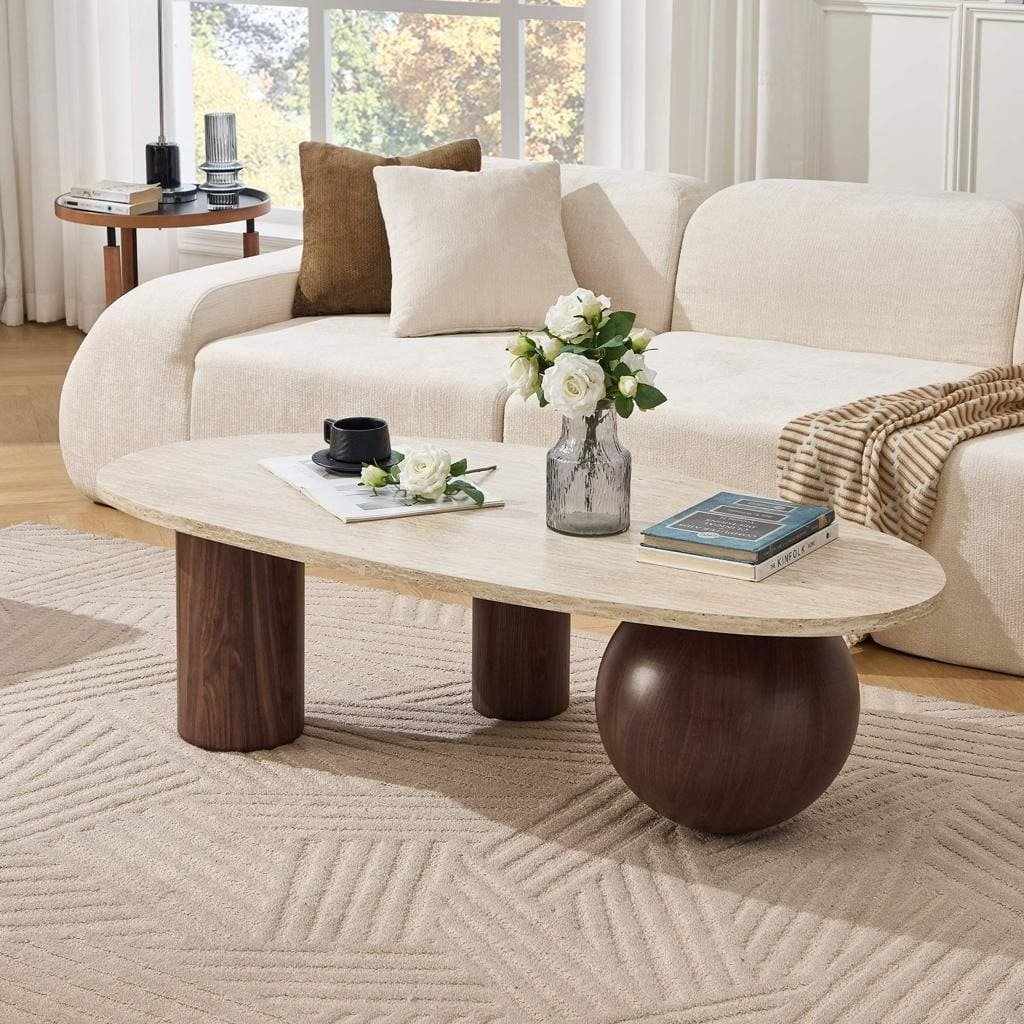
Coffee tables are becoming an opportunity to introduce interesting materials and shapes into the living room. Oval designs, rounded silhouettes, solid-looking bases, and stone-inspired finishes can give a seating arrangement more character.
However, appearance should not come at the expense of everyday function. A coffee table needs to provide enough usable surface for drinks, books, remotes, and other items without making the room difficult to navigate.
Consider these options:
| Coffee table style | Main benefit | Best use |
| Oval or rounded | Softer appearance and fewer sharp corners | Compact seating areas and family rooms |
| Rectangular | Generous surface area and easy alignment | Larger sofas and linear layouts |
| Nesting tables | Flexible surface space that can be expanded | Apartments and multipurpose rooms |
| Stone-look table | Adds texture and visual weight | Neutral interiors and organic modern spaces |
| Wooden pedestal table | Introduces warmth and a sculptural shape | Contemporary and natural-inspired living rooms |
| Storage coffee table | Conceals everyday clutter | Small homes and busy family spaces |
A useful guideline is to choose a coffee table that works proportionally with the sofa. It should generally be easy to reach from the seating area, with enough clearance around it for comfortable movement.
The table’s height matters, too. A very low sculptural table may look impressive but become inconvenient if people regularly use it for drinks or meals.
Styling tip: Keep the tabletop arrangement simple. A small tray, a ceramic vase, and one or two books can add personality without sacrificing useful surface area.
Sideboards and Media Units With a Cleaner, More Considered Look
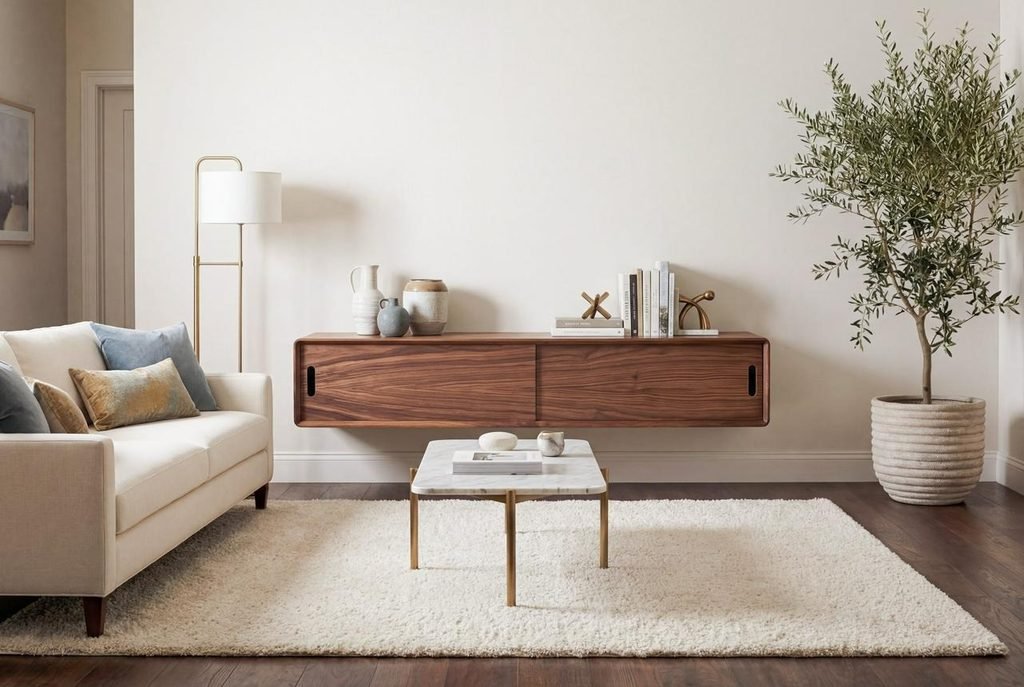
Storage furniture plays a major role in how organized a living room feels. Sideboards, media units, and cabinets can provide necessary storage while contributing to the overall design.
Contemporary furniture often benefits from simpler fronts, warm wood finishes, understated hardware, and carefully balanced proportions. These features help storage pieces blend into the room instead of competing with sofas, chairs, and artwork.
A low media unit can create a clean horizontal line beneath a television, while a sideboard can provide space for tableware, books, games, or decorative objects. Closed storage is particularly useful when you want the room to look calm without needing to keep every item perfectly arranged.
Before choosing a unit, consider the things it needs to store. Measure the equipment, books, baskets, or other objects that will go inside, and check whether the internal shelves can accommodate them.
Cable management is another important detail for media furniture. Openings, cable channels, and ventilation space can help keep electronics organized and functioning properly.
To avoid a cluttered appearance, resist the urge to fill every available surface with accessories. A few carefully selected objects usually create a stronger visual effect than numerous small decorations.
How to Create a Coordinated Living Room Without Buying a Matching Set
A contemporary living room does not need to consist of furniture from one collection. Mixing pieces can make the room feel more personal, provided there is a clear connection between their colors, materials, or proportions.
Start with one main piece, usually the sofa, and use it to guide the remaining choices.
Build a simple palette. Select two or three dominant colors, then introduce a smaller accent shade through cushions, artwork, or a chair.
Repeat materials thoughtfully. A walnut coffee table can relate to a walnut sideboard or wooden picture frame without requiring every piece to have an identical finish.
Balance shapes. Combine a curved sofa with a more linear cabinet, or pair a rectangular sofa with a rounded coffee table.
Vary visual weight. If the sofa and coffee table are substantial, choose lighter-looking accent chairs or shelving to keep the room balanced.
Leave breathing room. Empty space around furniture helps individual pieces stand out and makes circulation easier.
Here is one practical combination for a modern living room:
- A cream or oatmeal sofa with comfortable proportions.
- A walnut or natural oak coffee table.
- One accent chair in muted green or a textured neutral fabric.
- A low sideboard with simple detailing.
- A rug that connects the main furniture colors.
- Warm lighting and a few carefully chosen decorative objects.
This arrangement draws on several anticipated furniture design trends for 2028 without making the room feel overly trend-driven.
Small Living Room Ideas: How to Get the Look Without Oversized Furniture
Smaller living rooms benefit from the same design principles, but proportions and circulation become even more important.
Instead of buying a large statement sofa, look for a compact model with a distinctive silhouette or textured upholstery. A small sculptural chair can create a focal point without taking up as much space as a second full-size sofa.
Nesting tables and lightweight side tables provide flexibility, while wall-mounted shelving or a narrow sideboard can add storage without consuming too much floor area.
A few practical rules make the process easier:
- Measure the room and mark out furniture footprints before shopping.
- Choose pieces that serve a clear purpose rather than filling every corner.
- Keep primary walkways open and avoid obstructing doors or windows.
- Use furniture with open legs or lighter visual profiles when the room feels crowded.
- Introduce trend-led colors through smaller pieces that can be changed more easily.
- Prioritize comfortable seating and useful storage over decorative features you rarely use.
The goal is not to make a small living room look like a large one. It is to make the available space feel comfortable, functional, and visually coherent.
The smartest living room update is often one well-chosen piece rather than an entire new furniture set. Identify what your room is missing, whether that is better seating, more useful storage, a stronger focal point, or a more cohesive color palette, and let that need guide your next purchase.
Dining Room Furniture in 2028: A More Relaxed and Characterful Approach
Dining room furniture trends for 2028 are expected to favor a more personal mix of materials, comfortable seating, and flexible designs that suit everyday living as well as entertaining. The dining room is no longer just a place to eat; it can also function as a workspace, a homework station, or a gathering spot for friends and family.
The most appealing dining spaces combine a practical layout with furniture that adds character. A distinctive wooden table, comfortable chairs, and carefully chosen lighting can make the room feel welcoming without requiring an elaborate design scheme.
Oval Dining Tables and Natural Wood Finishes
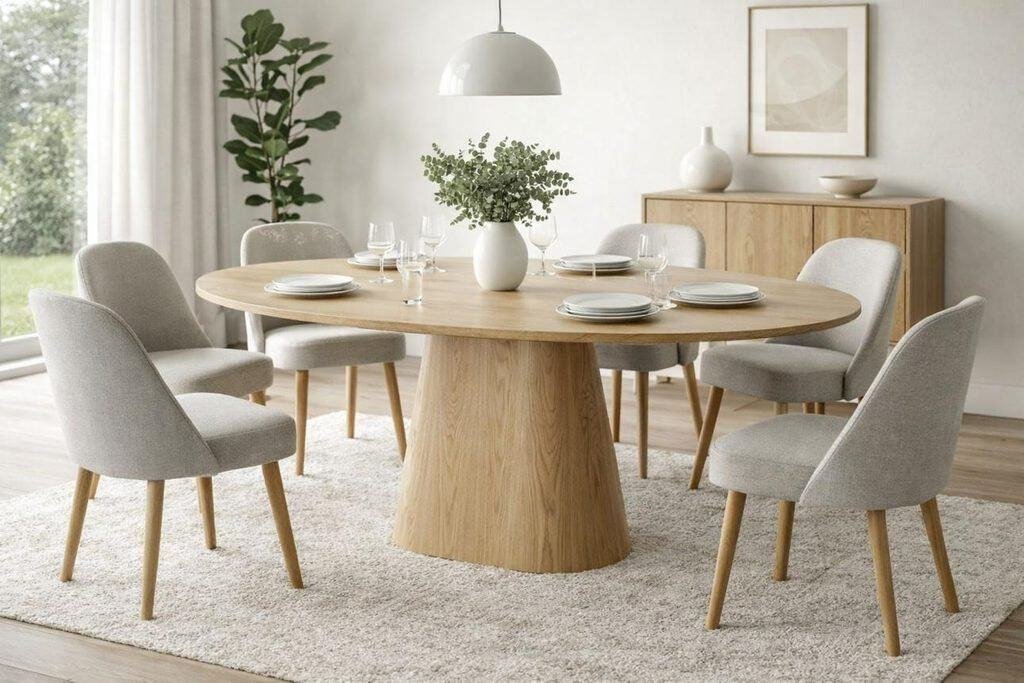
Oval and rounded dining tables are worth considering if you want a softer alternative to traditional rectangular furniture. Their flowing outlines can make a dining area feel more relaxed, while pedestal bases can provide additional legroom by reducing the need to work around table legs at the corners.
Natural wood remains another versatile option. Oak, walnut, and other wood finishes bring warmth to dining spaces and work with a wide range of decorating styles, from contemporary minimalism to organic modern interiors.
When choosing a dining table, consider more than its appearance. Think about how many people use it daily, how frequently you entertain, and how much room you have to pull out chairs comfortably.
- Small dining areas: A round or compact oval table can make circulation easier and create a more intimate atmosphere.
- Open-plan homes: A substantial wooden table can visually define the dining zone without requiring a partition.
- Family dining rooms: Durable finishes and easy-to-clean surfaces are practical choices for frequent meals.
- Formal dining spaces: A sculptural pedestal table or a richly toned wood finish can create a more distinctive focal point.
The table should feel proportionate to the room. An oversized dining table may look impressive in a showroom but can make everyday movement difficult when positioned in a compact home.
Dining Chairs That Prioritize Comfort and Individuality
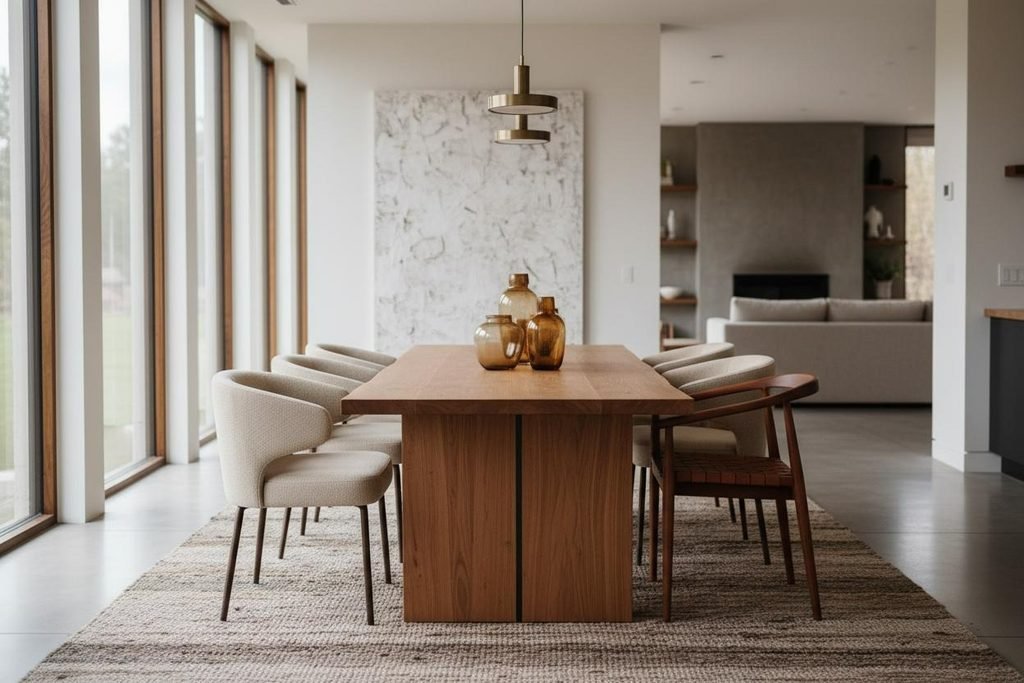
Dining chairs can change the character of a room just as much as the table itself. Furniture design trends 2028 offer an opportunity to explore a mix of shapes, materials, and upholstery rather than relying on perfectly matched sets.
Upholstered chairs can make long dinners more comfortable, while wooden chairs introduce natural texture. Chairs with rounded backs create a softer appearance, and slim metal frames can suit more contemporary or industrial-inspired interiors.
Mixing chair styles can also create a collected look. For example, upholstered chairs along the sides of a wooden table can be paired with two distinctive chairs at the ends. The arrangement feels intentional when the pieces share a common color, material, or design detail.
Comfort should remain the priority. Check the seat height, back support, and width of each chair, especially if the table will be used for extended meals or as a work surface.
Practical tip: Before buying new chairs, measure the space between the table legs and the available clearance beneath the tabletop. Attractive chairs are of little use if they cannot slide comfortably under the table.
Extendable Dining Tables for Flexible Living
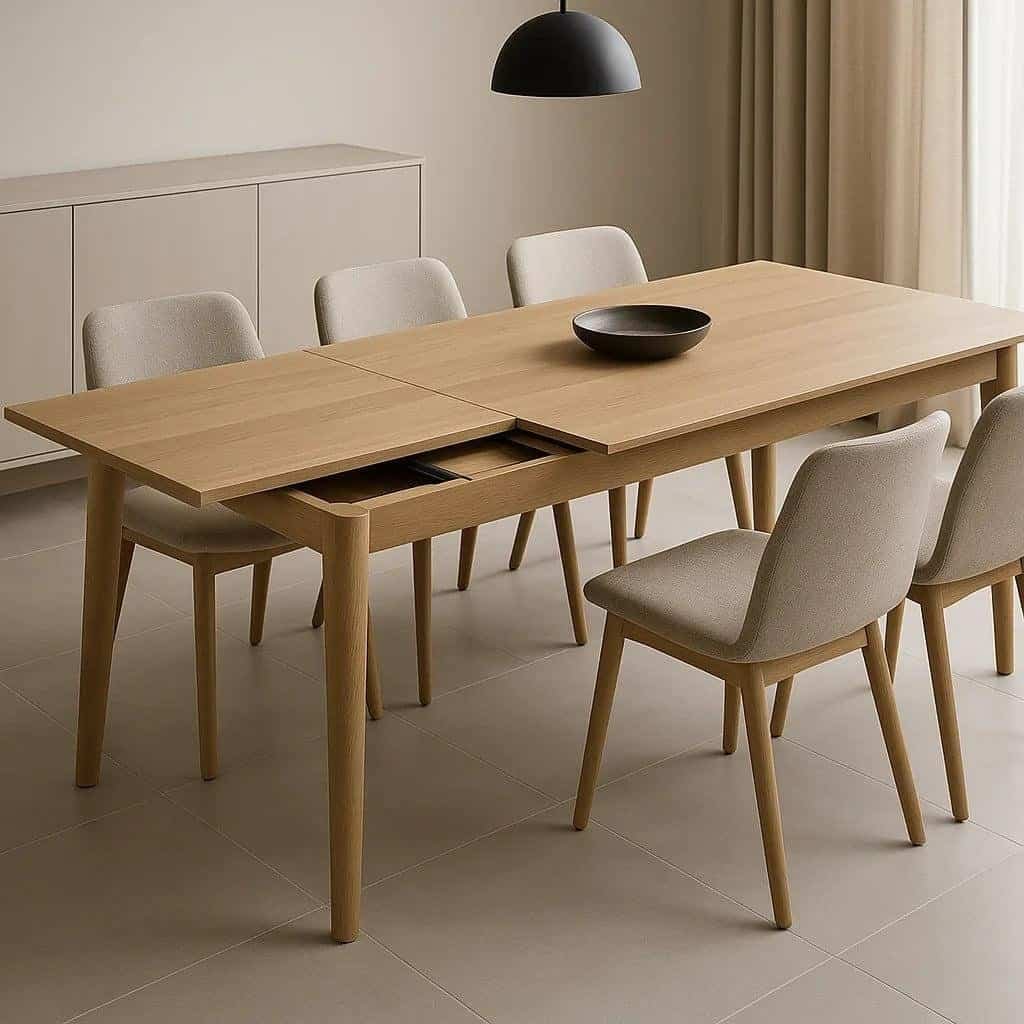
Extendable dining tables are particularly useful in homes where space needs change throughout the week. A smaller table can keep the dining area open during everyday use, then expand when guests arrive.
Modern designs offer a range of extension mechanisms and finishes, making it possible to find a practical table without sacrificing style.
Before purchasing, check three things:
- Closed dimensions: The table should leave enough room for chairs and comfortable movement during everyday use.
- Extended dimensions: Make sure the fully opened table does not block walkways, doorways, or access to adjacent rooms.
- Extension mechanism: Choose a system that is easy to operate and sturdy enough for regular use.
If the dining area is particularly small, consider nesting stools or stackable chairs that can be stored elsewhere when they are not needed.
The best dining furniture for 2028 will not simply look attractive in a styled photograph. It will adapt to the way people actually live, allowing the dining area to remain comfortable and useful in different situations.
Bedroom Furniture Trends 2028: Softer Silhouettes and Smarter Storage
Bedroom furniture trends for 2028 are expected to emphasize comfort, tactile materials, streamlined storage, and distinctive details that make the space feel personal. The bedroom should support rest and relaxation, so furniture needs to look appealing without creating unnecessary clutter.
A few carefully selected pieces can make a substantial difference. An upholstered bed frame, a pair of simple bedside tables, and a practical dresser can establish a cohesive look without making the room feel overly coordinated.
Upholstered Beds and Statement Headboards
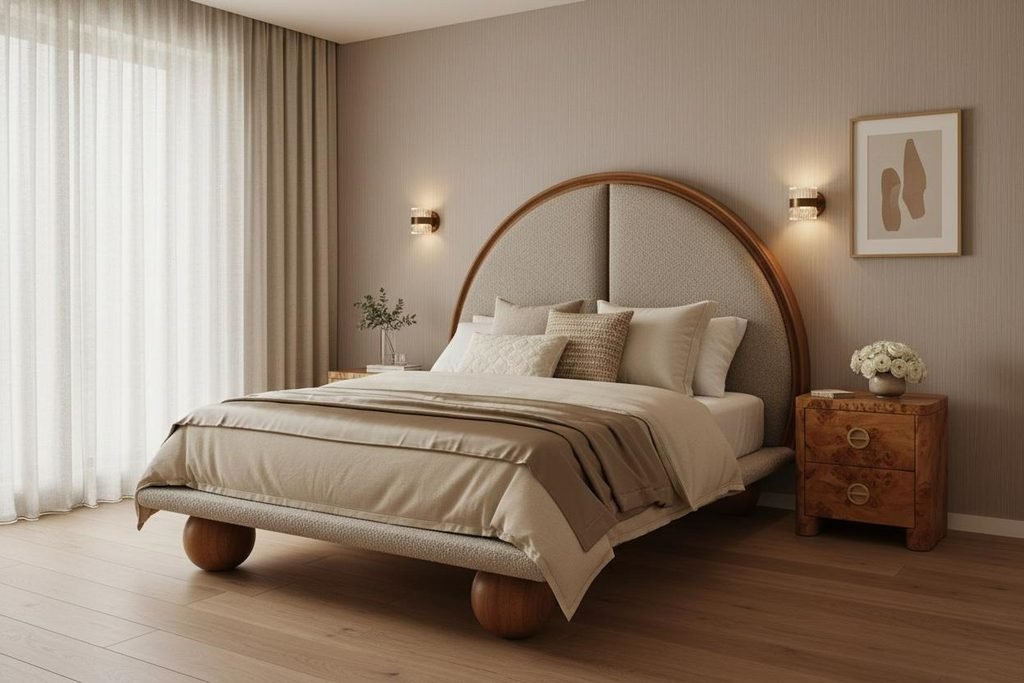
The bed is usually the largest piece of furniture in a bedroom, which makes it the natural starting point for the design.
Upholstered bed frames and sculptural headboards offer a way to introduce softness and visual interest. Rounded corners, textured fabric, and gently curved profiles can create a more relaxed appearance than sharply defined furniture.
Neutral upholstery remains versatile because it can work with different bedding colors and decorative styles. However, a headboard in muted green, warm brown, or another complementary shade can make the bed more distinctive.
When choosing a bed frame, consider the room’s proportions. A tall, oversized headboard can dominate a small bedroom, while a low-profile frame may help a compact space feel more open.
Practical details matter, too. Check whether the upholstery is easy to clean, whether the bed frame provides sufficient support, and whether the headboard fits comfortably beneath windows, sloped ceilings, or wall-mounted lighting.
Styling idea: Pair an upholstered headboard with wooden bedside tables and simple bedding. The contrast between soft fabric and natural wood creates depth without requiring lots of accessories.
Bedside Tables With Personality and Purpose
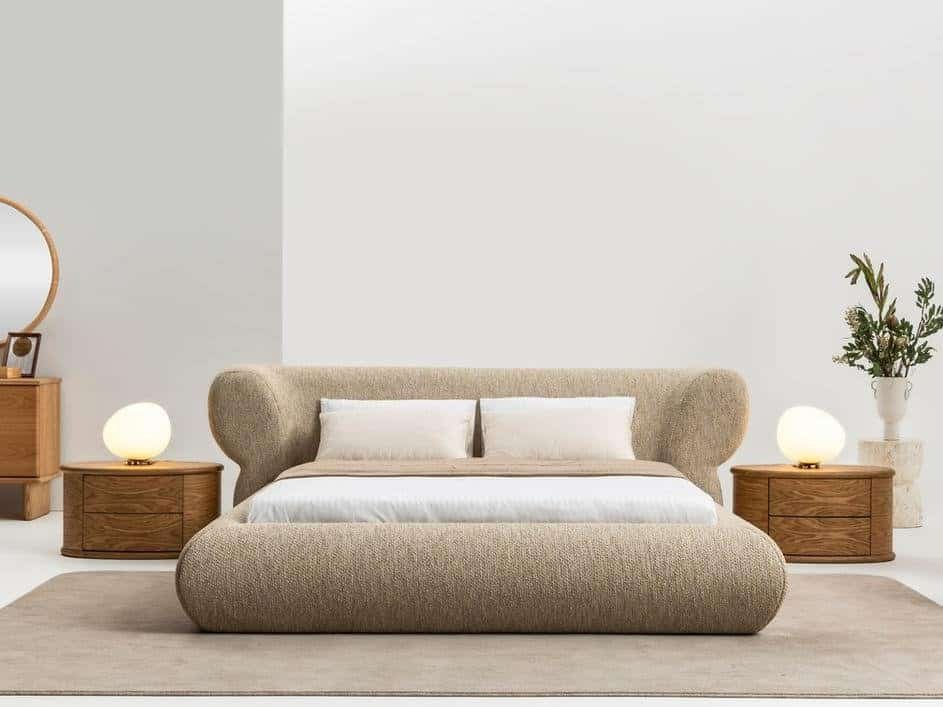
Bedside tables are small enough to experiment with, yet they contribute significantly to a bedroom’s overall design.
Rounded tables, compact pedestal designs, floating nightstands, and simple wooden cabinets can all work well in contemporary spaces. The best choice depends on how much storage you need and how much room is available beside the bed.
A floating bedside table can free up visible floor space, making a compact bedroom feel less crowded. A drawer-equipped wooden nightstand is more practical if you need somewhere to keep chargers, books, medication, or other personal items.
Matching bedside tables are still a good option when you prefer symmetry. However, two different tables can look equally effective if their heights, visual weight, or finishes feel balanced.
For example, a small wooden nightstand on one side of the bed can be paired with a narrow upholstered stool or a compact side table on the other. This approach can be useful in bedrooms where doors, windows, or built-in storage limit the available space.
Storage Beds and Streamlined Dressers
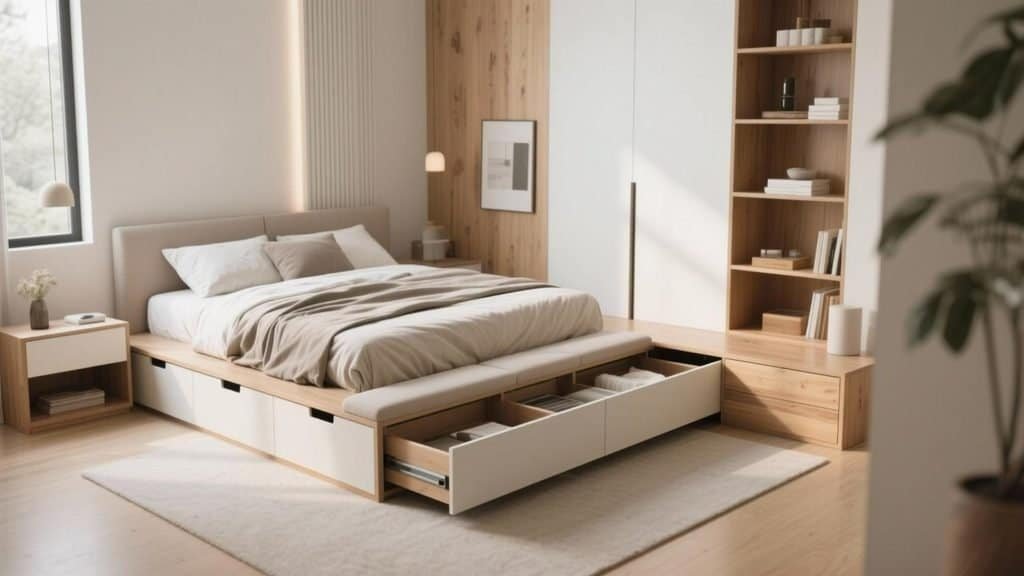
Storage furniture is particularly valuable in bedrooms where floor space is limited. Beds with drawers, lift-up storage compartments, and dressers with efficient internal layouts can help keep everyday belongings organized without adding multiple cabinets.
The best storage solution depends on what you need to store.
- Storage beds: Useful for spare bedding, seasonal clothing, and bulky items that do not need daily access.
- Low dressers: Provide accessible storage while creating a surface for a lamp, artwork, or a small decorative arrangement.
- Tall, narrow chests: Make use of vertical space when there is little room for wide furniture.
- Streamlined wardrobes: Help reduce visual clutter, particularly when their finishes coordinate with the walls.
- Floating storage: Keeps the floor more visible and can make a small bedroom feel lighter.
Before purchasing a storage bed, check the space required to open its drawers or lift the mattress platform. A design may have generous storage capacity but prove inconvenient if it is positioned too close to a wall.
Bedroom furniture should also support a calming atmosphere. Too many cabinets, open shelves, and decorative objects can make the room feel crowded, even when everything is technically organized.
Choose storage that solves a genuine problem, then keep the remaining furniture simple enough to let the bedroom feel restful.
Creating a Restful Bedroom With Coordinated Furniture
A cohesive bedroom does not need identical furniture finishes or matching bedroom sets. Instead, aim for a visual connection between the bed, bedside tables, dresser, lighting, and textiles.
Warm wood paired with cream upholstery creates a timeless foundation. Muted green or brown accents can introduce depth, while linen-look bedding and a textured rug make the room feel softer.
For a more contemporary appearance, combine a sculptural headboard with simple storage furniture. Let one element provide visual interest and keep the remaining pieces understated.
If the bedroom is small, prioritize furniture that serves more than one purpose. A storage bed, a narrow dresser, and wall-mounted lighting can provide useful functionality while keeping the floor clear.
The aim is to create a bedroom that feels attractive in photographs but remains comfortable and practical every day.
Multifunctional Furniture: The 2028 Answer to Smaller, More Flexible Homes
Multifunctional furniture is an important consideration for modern homes because rooms increasingly serve several purposes. A living room may need to accommodate work, relaxation, and entertaining, while a guest bedroom might double as a home office.
Furniture design trends 2028 are likely to continue exploring adaptable solutions that help homeowners make better use of limited space. The most useful pieces combine more than one function without making either function difficult to use.
Modular Sofas That Adapt to Different Layouts
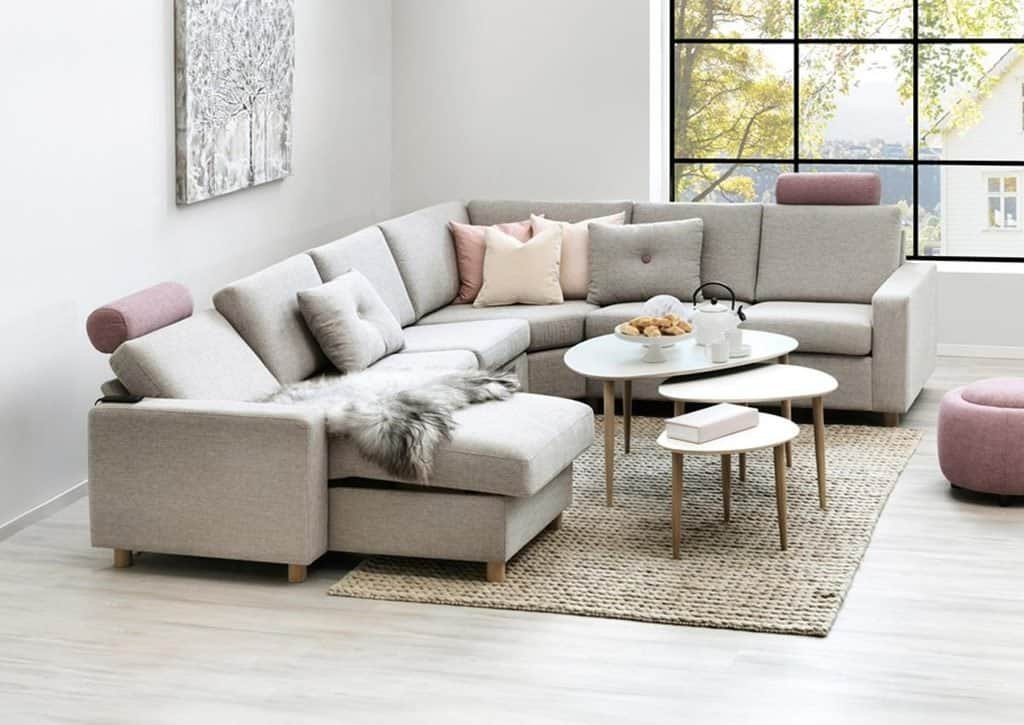
Modular sofas allow you to change the arrangement of your seating as your needs evolve. Depending on the design, individual sections can be moved, separated, or combined to create different configurations.
This flexibility can be particularly valuable for renters, growing families, or people who expect to rearrange their living space over time.
A modular sofa might work as a compact straight arrangement during everyday use, then form an L-shaped seating area when more people visit. Separate sections may also function as occasional seating elsewhere in the room.
When shopping for modular furniture, consider:
- Whether the individual sections can be moved easily.
- How securely the modules connect.
- Whether the configuration suits the room’s dimensions.
- Whether additional sections are available if your needs change.
- Whether the upholstery and cushions can be maintained or replaced.
Not every modular sofa saves space. Some designs are large and substantial, so check the dimensions of the complete arrangement rather than focusing only on the size of each section.
Nesting Tables, Storage Ottomans, and Extendable Furniture
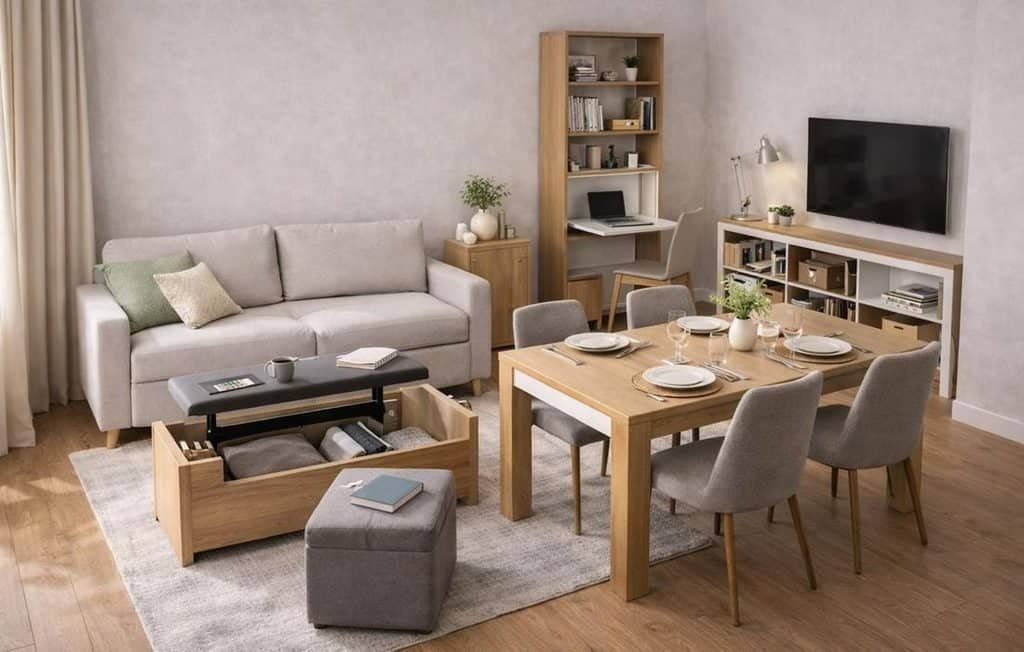
Smaller multifunctional pieces can be just as valuable as large modular furniture. They provide flexibility without requiring a major investment or a complete change to the room’s layout.
Nesting tables offer additional surfaces when needed and can be tucked together when space is limited. They are useful beside sofas, in small living rooms, and in apartments where a permanent set of side tables would feel excessive.
Storage ottomans can function as footrests, occasional seating, or concealed storage. They are particularly helpful for keeping blankets, toys, and other everyday items out of sight.
Extendable dining tables provide a compact everyday arrangement that can accommodate more people when necessary.
Sofa beds allow a living room or office to serve as a guest bedroom, although mattress comfort and ease of conversion should be checked carefully.
Wall-mounted folding desks can create a practical work surface without permanently occupying the floor.
The best choice is the one that solves a recurring problem. If you rarely host overnight guests, a sofa bed may be less useful than a comfortable sofa paired with a flexible sleeping arrangement elsewhere.
How to Choose Multifunctional Furniture That Actually Works
Multifunctional furniture can be convenient, but additional features are not always worth the cost. A complicated mechanism, uncomfortable sleeping surface, or awkward storage compartment can make a piece less practical than a simpler alternative.
Evaluate the furniture according to how frequently you will use each function.
For example, if a dining table doubles as a workspace every weekday, prioritize a comfortable working height, sufficient surface area, and a finish that can withstand daily use. If it only expands occasionally for guests, a straightforward extension mechanism may be all you need.
Measure the room in each configuration. A sofa bed needs space when opened, and an extendable table requires clearance for both the table and its chairs.
Check durability as well. Hinges, moving parts, folding supports, and modular connections need to be robust enough for repeated use.
A useful rule: Choose multifunctional furniture when the extra function solves a real space or storage problem. Avoid paying more for features that are unlikely to improve your everyday routine.
Sustainable Furniture Design Trends 2028: Buying Better, Not Just Buying New
Sustainable furniture design is about more than selecting products made from natural materials. Durability, repairability, responsible sourcing, and the ability to reuse or repurpose furniture all influence how long a piece remains useful.
As homeowners become more thoughtful about their purchases, furniture design trends 2028 offer an opportunity to focus on quality rather than constant replacement. A well-made table that serves a household for many years may be a better investment than a cheaper alternative that needs replacing after a short period.
Reclaimed Wood and Responsibly Sourced Materials
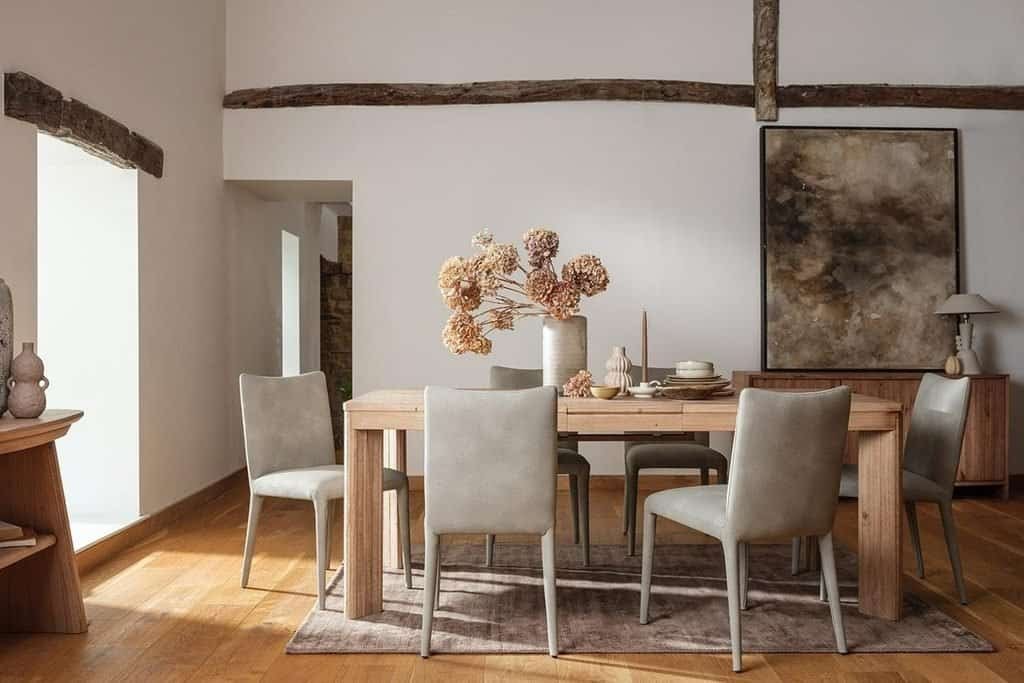
Reclaimed wood can bring distinctive character to furniture while giving previously used material another purpose. Its variations in grain, color, and texture can make dining tables, shelving, cabinets, and occasional tables feel individual.
Responsibly sourced timber is another option to consider. When comparing products, look for clear information about material origins and any relevant independent certifications rather than relying on broad claims such as “eco-friendly” or “green.”
Recycled materials may also appear in furniture frames, upholstery fibers, and decorative components. Their environmental benefits depend on the material, manufacturing process, durability, and what happens when the furniture reaches the end of its useful life.
Before buying, ask practical questions:
- What materials are used in the frame, surface, and upholstery?
- Is the timber responsibly sourced, reclaimed, or recycled?
- Are relevant material or environmental claims explained clearly?
- Can damaged parts be repaired or replaced?
- Is the piece designed for long-term use?
The answers can help you distinguish meaningful product information from vague marketing language.
Durable Construction and Repairable Furniture
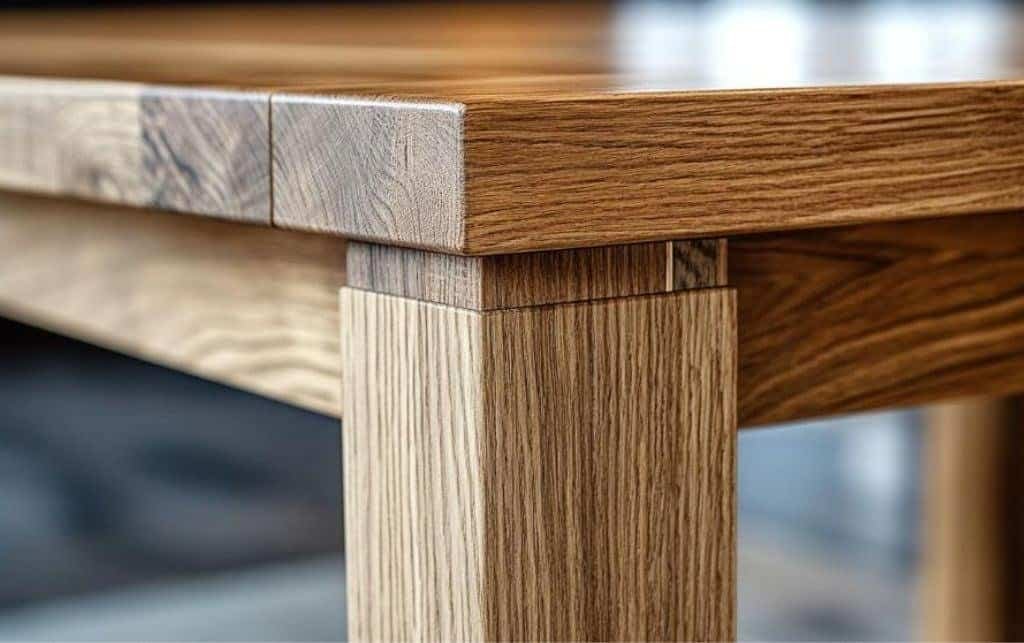
A furniture piece’s environmental impact is influenced partly by how long it remains in use. Buying something durable and maintaining it properly can reduce the need for frequent replacements.
Construction quality is therefore worth examining closely. A wooden table should feel stable, a drawer should move smoothly, and a chair should not wobble under normal use.
For upholstered furniture, check the frame, cushion construction, stitching, and availability of replacement covers or components. A sofa with replaceable cushion covers may be easier to refresh than one whose upholstery cannot be repaired economically.
Repairability matters for wooden furniture, too. A scratched tabletop may be refinished, while loose joints can sometimes be repaired by a qualified professional.
The goal is not necessarily to buy the most expensive furniture available. It is to find the best combination of construction quality, materials, comfort, and price for the way you use the piece.
Vintage Furniture, Secondhand Finds, and Reupholstery
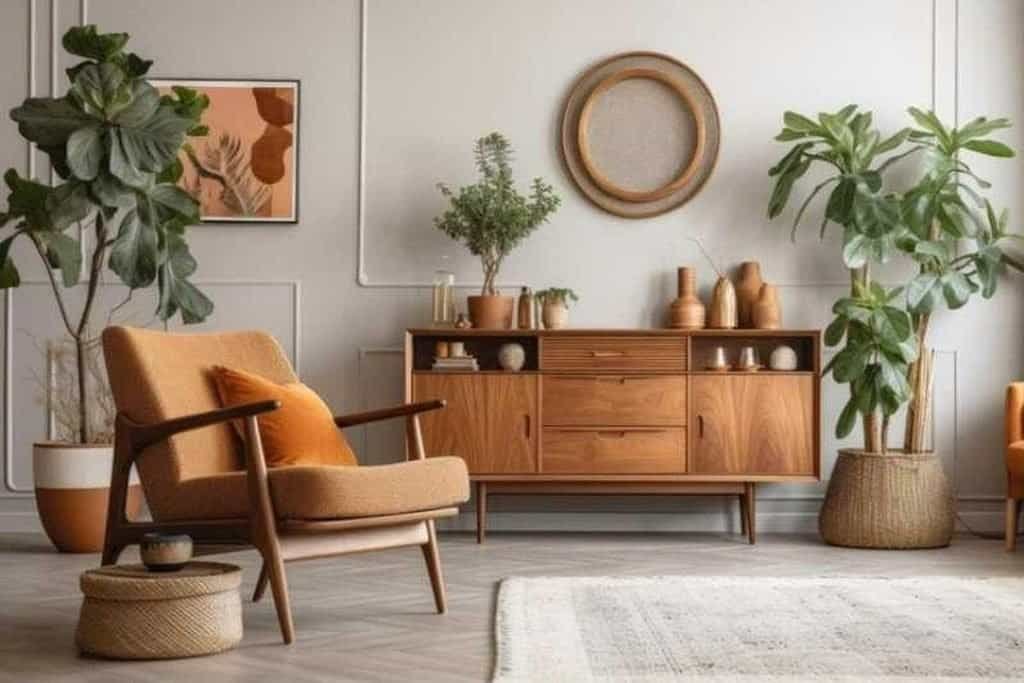
Buying secondhand furniture is another way to create a distinctive home without purchasing every item new. Vintage pieces can add character to contemporary interiors, particularly when their materials and shapes contrast with modern furniture.
A secondhand wooden sideboard, for example, can provide useful storage and visual warmth alongside a contemporary sofa. An older chair may become a statement piece after its frame is repaired or its upholstery is replaced.
Reupholstery is worth considering when a chair or sofa has a sound frame but worn fabric. However, compare the cost of professional restoration with the price of a suitable new piece before making a decision.
When buying used furniture, inspect it carefully for structural damage, persistent odors, signs of pests, and issues that may be expensive to repair. Check the dimensions and make sure the piece can be transported safely.
Budget-friendly approach: Combine one or two vintage pieces with newer essentials. This creates a more individual interior while allowing you to invest in the furniture that needs to meet your household’s everyday requirements.
A Simple Checklist for More Sustainable Furniture Choices
Use this checklist before making a major furniture purchase.
- The furniture serves a clear purpose and suits my lifestyle.
- The dimensions work with my room and its circulation space.
- The construction appears durable enough for regular use.
- Material and sourcing claims are clearly explained.
- The finish and upholstery suit my cleaning routine.
- Replacement parts, repairs, or reupholstery are possible where appropriate.
- The style can work with future changes to my decor.
- The total cost reflects the expected quality and useful lifespan.
Not every purchase needs to satisfy every point equally. A small decorative side table and a heavily used family sofa have different requirements. The checklist simply encourages more deliberate decisions.
How to Mix Furniture Styles in 2028 Without Making a Room Feel Chaotic
Mixing furniture styles can make a home feel more personal than furnishing every room with pieces from the same collection. A contemporary sofa, a vintage wooden cabinet, and a sculptural accent chair can work beautifully together when their proportions, colors, or materials create a clear connection.
The challenge is knowing how much variation to introduce. Too many unrelated shapes, finishes, and colors can make a room feel unsettled, while furniture that matches too closely may lack personality.
The most effective approach is to establish a consistent foundation and then introduce contrast intentionally.
Modern Organic With Vintage Wood
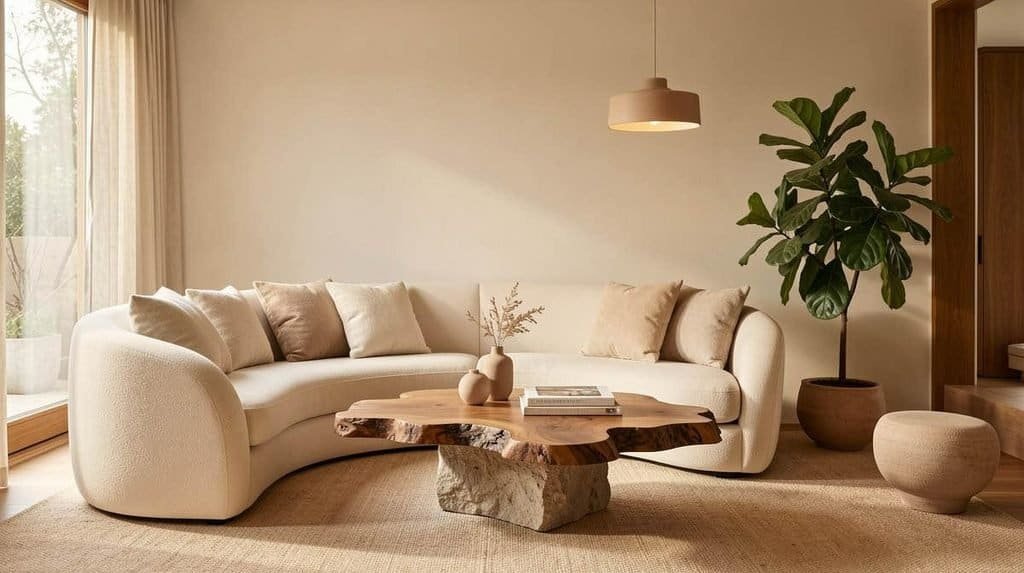
Modern organic interiors combine contemporary shapes with natural materials and tactile finishes. Vintage wood furniture can add depth to this style because its grain, patina, and proportions contrast with the softer appearance of modern upholstery.
A curved cream sofa paired with a vintage walnut sideboard is one example. The sofa keeps the room feeling light, while the older wooden piece introduces character and a sense of history.
To bring the combination together, repeat the wood tone in a coffee table, frame, or smaller accessory. Natural textiles and a restrained color palette can help the pieces feel connected.
Avoid trying to make the vintage furniture look artificially new. Its distinctive character is often the feature that makes the combination interesting.
Minimalist Furniture With Sculptural Statement Pieces
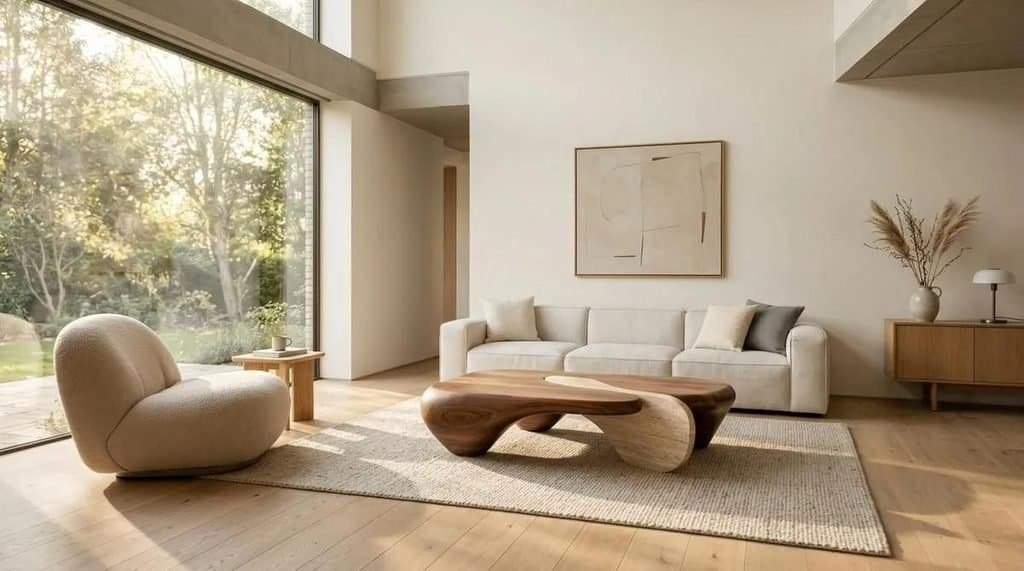
Minimalist furniture provides a simple background for more expressive pieces. Clean-lined sofas, understated storage, and neutral finishes allow a sculptural chair or unusual coffee table to become the main focal point.
This combination works particularly well when you prefer a relatively uncluttered room but still want some visual personality.
Start with practical, straightforward furniture and add one statement piece that introduces a contrasting silhouette, texture, or color. A rounded accent chair beside a linear sofa can create enough variation without making the space feel overly decorated.
Keep accessories selective. Too many competing objects can weaken the impact of the statement furniture and make a minimalist room feel busy.
Contemporary Upholstery With Traditional Decorative Accents
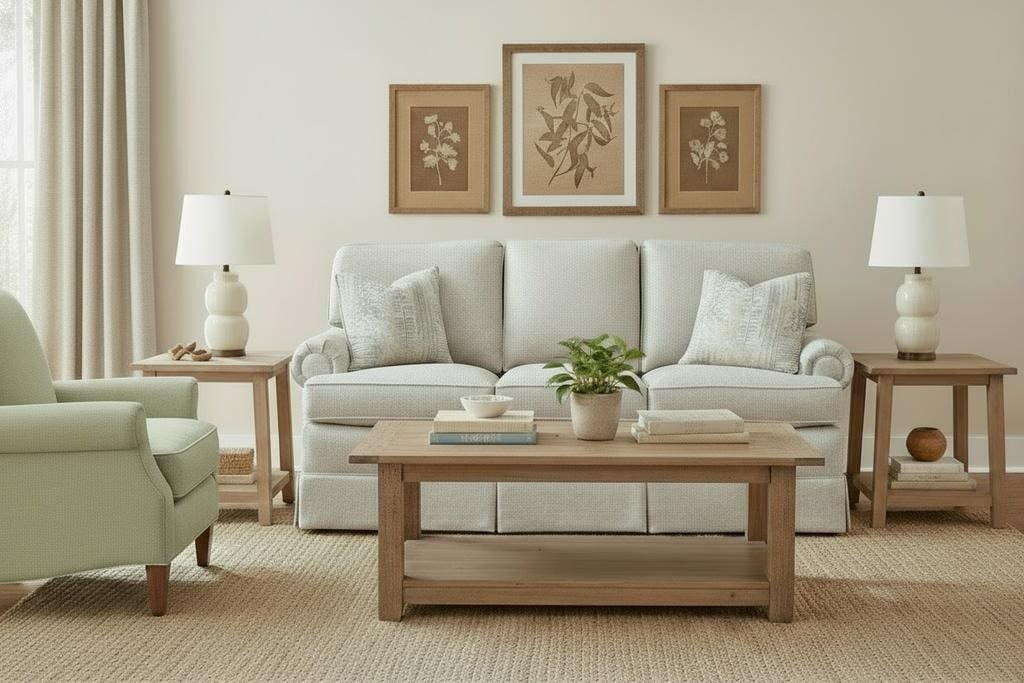
Contemporary furniture can also work with traditional pieces. This approach creates a transitional interior that combines modern comfort with familiar decorative details.
A simple upholstered sofa may pair well with a vintage side table, a traditional wooden chest, or a classic ceramic lamp. The contrast prevents the room from looking like a single furniture collection while preserving a sense of cohesion.
Use color and proportion to connect the different styles. A traditional cabinet in a wood tone that relates to the floor or coffee table will feel more integrated than one that introduces several unrelated finishes.
Artwork, rugs, and lighting can help bridge the gap between modern and traditional elements.
The Three Rules That Keep Mixed Furniture Looking Cohesive
Choose a unifying color palette. A room can contain several furniture styles when the colors relate to one another. Warm neutrals, natural wood, and one accent shade are a useful starting point.
Repeat materials or shapes. If one piece features walnut, repeat that wood tone elsewhere. If you introduce rounded furniture, echo the shape in a lamp, mirror, or smaller table.
Balance visual weight. A large, dark cabinet may need lighter upholstery or open-legged furniture nearby. Consider how much visual space each item occupies, not just its physical dimensions.
You do not need to follow these rules rigidly. They are simply tools for deciding which pieces work together and which combinations may feel too disconnected.
How to Bring Furniture Design Trends 2028 Into Your Home on Any Budget
You do not need to replace every piece of furniture to create a home that feels current. The most effective updates often come from identifying what is missing, choosing one or two worthwhile changes, and building the rest of the room around what you already own.
Furniture design trends 2028 can be adapted to different budgets, from inexpensive styling changes to substantial investments in sofas, dining tables, or bedroom furniture.
Low-Cost Updates That Make a Visible Difference
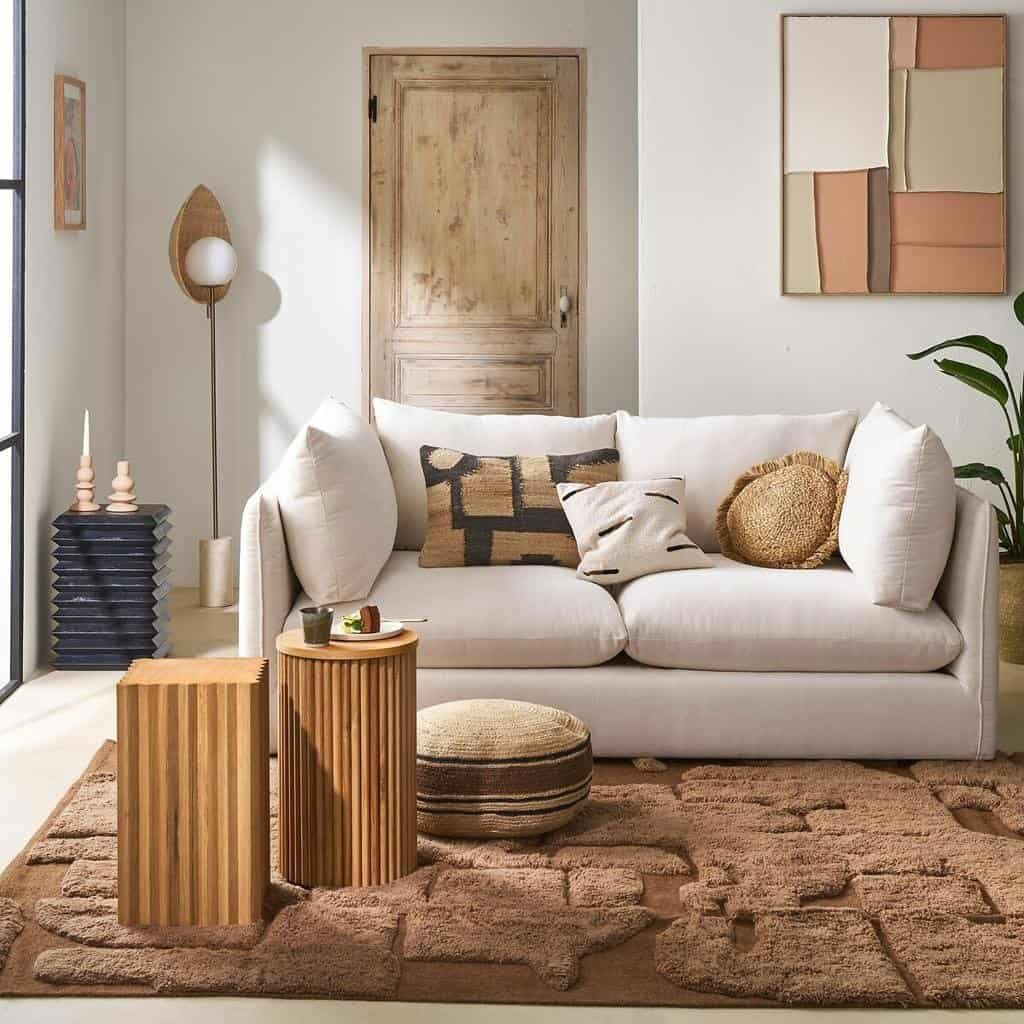
Small changes can make familiar furniture feel more contemporary without requiring a major purchase.
Start by rearranging the room. Moving a chair closer to a window, creating a clearer conversation area, or removing an unnecessary table can improve both appearance and functionality.
You can also introduce new textures and colors through accessories or small furniture pieces.
Affordable updates include:
- Replacing cushion covers with tactile fabrics or a more coordinated color palette.
- Adding a compact side table with an interesting shape.
- Updating the hardware on suitable cabinets or dressers.
- Refreshing a wooden piece with appropriate cleaning, repair, or refinishing.
- Shopping secondhand for a distinctive chair, stool, or sideboard.
- Using a new slipcover when the existing sofa is structurally sound.
- Removing decorative clutter so the furniture silhouettes become more visible.
The advantage of these changes is flexibility. If a color or texture does not work as expected, it is usually easier and less expensive to adjust than replacing a large furniture piece.
Mid-Range Furniture Investments
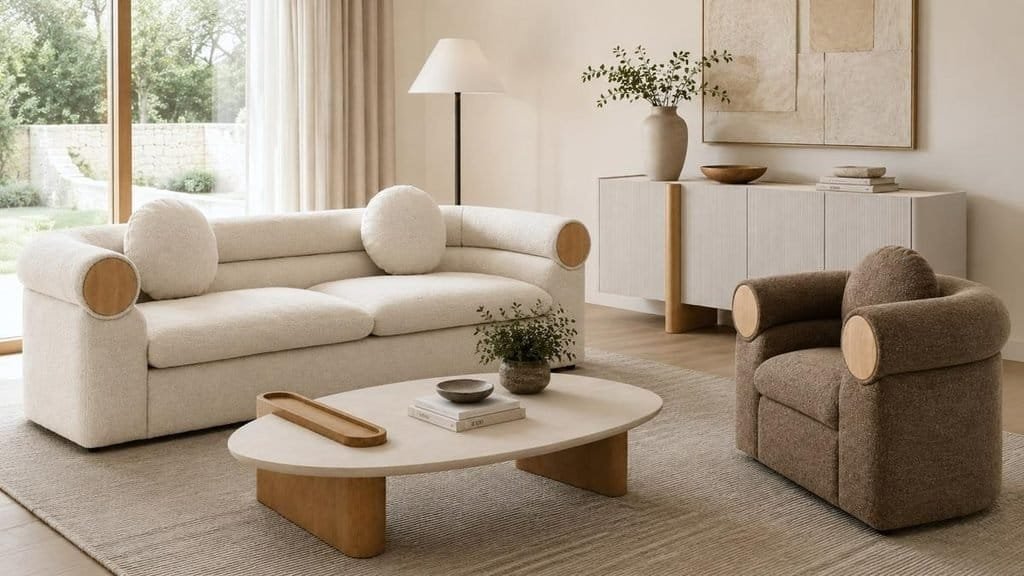
A mid-range budget may allow you to replace one major piece or upgrade several smaller items. The best investment depends on which furniture causes the greatest inconvenience or has the biggest effect on the room.
A sofa may be worth prioritizing if the current one is uncomfortable or no longer suits the household. A dining table may be more important if the existing model is too small for everyday meals. In a bedroom, a supportive bed frame and practical storage may deliver more value than decorative furniture.
Before making a purchase, compare products based on more than their appearance.
Consider frame construction, materials, upholstery quality, comfort, warranty coverage, delivery costs, and maintenance requirements. A moderately priced piece with suitable construction may provide better long-term value than a more expensive model chosen mainly for its appearance.
Choose furniture that can adapt to future decorating changes. Neutral upholstery, natural wood, and simple shapes are often easier to coordinate with new rugs, wall colors, and accessories.
Where to Spend More and Where to Save
Not every furniture item deserves the same budget. The right allocation depends on how frequently you use a piece and how difficult it would be to replace.
| Furniture category | Where spending more may help | Where you may be able to save |
| Sofa | Frame quality, comfort, durable upholstery | Trend-led colors or decorative cushions |
| Dining table | Stability, construction, suitable size | Decorative styling accessories |
| Dining chairs | Comfort, structural durability | Occasional-use extra seating |
| Bed frame | Stability, support, long-term durability | Decorative details that do not affect function |
| Coffee table | Safe construction, suitable proportions | Trend-driven finishes |
| Side tables | Stability and practical dimensions | Premium materials for purely decorative pieces |
| Storage furniture | Strong construction and useful internal layout | Decorative hardware or finishes |
| Accent chairs | Comfort if used daily | Bold colors on occasional seating |
A lower purchase price does not automatically mean better value, and an expensive piece is not necessarily well made. Compare the quality and expected usefulness of each item rather than relying on price alone.
Remember to include delivery, assembly, installation, and any necessary accessories in your budget. These additional costs can make a significant difference, especially when purchasing large furniture.
A Practical Plan for Updating Your Home
If you are unsure where to begin, use a simple three-step process.
Start with the problem. Identify what is not working in the room. Perhaps the sofa is too large, storage is inadequate, or the furniture feels visually disconnected.
Choose one meaningful improvement. Select a piece or change that directly addresses the problem, rather than purchasing several items simply because they are trending.
Build around the improvement. Reuse existing furniture and adjust colors, textures, and accessories to create a cohesive look.
This approach helps prevent unnecessary spending and makes it easier to see which changes genuinely improve the room.
Furniture Trends to Embrace Carefully: What Will Still Look Good Beyond 2028?
Furniture trends can provide inspiration, but not every popular design will suit every home. Some pieces remain attractive for years because they combine practical proportions, quality materials, and timeless shapes. Others may feel less appealing once the initial excitement fades.
The best furniture design trends for 2028 are those you can adapt to your lifestyle rather than those that require your entire home to follow one aesthetic.
Be Careful With Oversized Statement Furniture
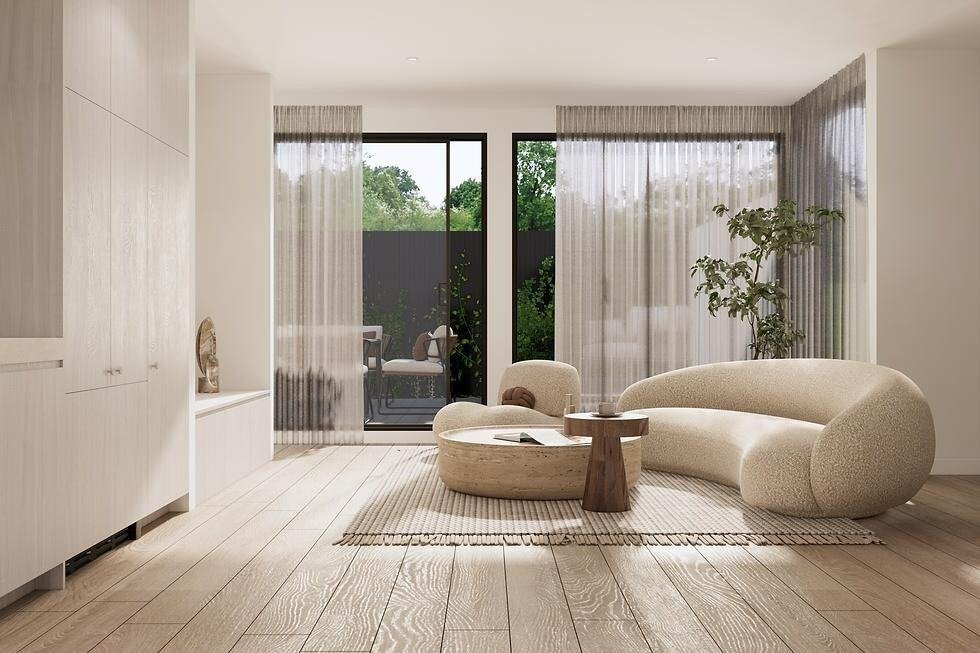
Oversized sofas, substantial coffee tables, and dramatic accent chairs can create a strong visual impact, particularly in spacious rooms. However, they may become impractical when the room is smaller than the furniture’s proportions suggest.
Large furniture can restrict walking routes, reduce flexibility, and leave too little space for other necessary pieces.
Before buying a statement item, measure its footprint and consider the furniture arrangement as a whole. Allow enough room for drawers to open, chairs to move, and people to pass comfortably.
If you love a dramatic silhouette but have limited space, look for a smaller version that preserves the design feature you like.
Think Twice Before Committing to Highly Specific Colors
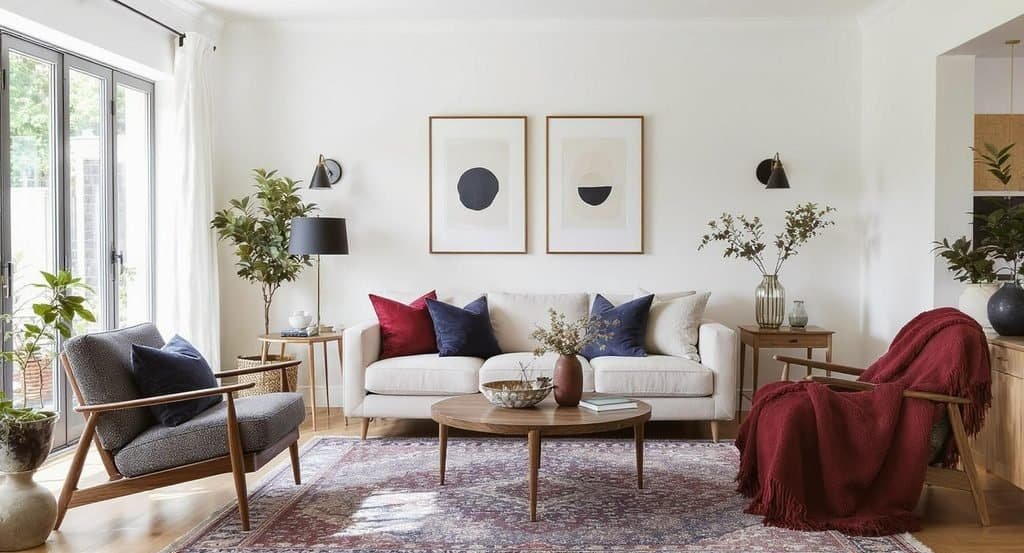
Bold furniture colors can create a memorable interior, but replacing a large colored sofa or dining set can be expensive if your preferences change.
You do not need to avoid strong colors altogether. Instead, decide how permanent you want the color commitment to be.
If you are confident in your choice, a deep blue sofa or green upholstered bed can become a distinctive focal point. If you are experimenting with a new palette, begin with an accent chair, stool, or small cabinet.
Neutral foundations also make it easier to change the room’s mood through accessories. A cream sofa can work with earthy colors today and a cooler palette later without requiring a major replacement.
Avoid Choosing Furniture for Appearance Alone
A sculptural chair may look impressive, but it still needs to be comfortable if you plan to sit in it regularly. A stone coffee table may be visually striking, but its weight and surface-care requirements should suit the household.
The same principle applies to multifunctional furniture. A compact sofa bed is useful only if it works comfortably as both seating and a sleeping surface.
Before buying a trend-led piece, ask yourself:
- Will I use this furniture regularly?
- Does it fit the room and allow comfortable movement?
- Is the material suitable for my household?
- Can I maintain or repair it when necessary?
- Will it work with other furniture if I change the decor?
- Am I choosing it because I genuinely like it or simply because it is popular?
These questions help distinguish a worthwhile purchase from a temporary impulse.
Invest in Timeless Foundations and Changeable Accents
A practical way to approach furniture design trends 2028 is to combine lasting essentials with a few expressive pieces.
A well-proportioned sofa, a durable dining table, and functional storage can form the foundation of a room. Sculptural side tables, distinctive accent chairs, colorful cushions, and decorative accessories can introduce more current styles.
This approach offers flexibility without sacrificing personality. You can update the room gradually as your needs change, rather than replacing major furniture whenever a new trend appears.
The goal is not to create a home that looks untouched by trends. It is to choose trends that enhance the way you live and remain enjoyable after the novelty has passed.
Final Thoughts: Choosing the Right Furniture Design Trends for 2028
Furniture design trends 2028 point toward interiors that balance expressive design with everyday comfort. Sculptural silhouettes, natural materials, tactile upholstery, thoughtful color combinations, and flexible furniture all offer opportunities to create a home that feels contemporary without becoming impractical.
The most successful approach is to select the trends that genuinely suit your space. Curved furniture can soften a room, natural wood can add warmth, and a distinctive accent chair can introduce personality. Multifunctional pieces can improve smaller homes, while durable materials and repairable construction can help furniture remain useful for years.
You do not need to follow every trend or purchase an entirely new furniture collection. Start by identifying one area of your home that could work better, whether it needs more comfortable seating, smarter storage, a more cohesive color palette, or a stronger focal point.
Choose one furniture update that solves that problem, then build around it with materials, colors, and shapes that complement what you already own. The best furniture for 2028 is not simply what looks fashionable; it is what makes your home more comfortable, functional, and distinctly yours.
Frequently Asked Questions About Furniture Design Trends 2028
What are the biggest furniture design trends for 2028?
Anticipated furniture design directions for 2028 include sculptural silhouettes, natural wood finishes, tactile upholstery, earthy colors, flexible furniture, and a stronger emphasis on durability. The best choices depend on the room, budget, and personal style.
What furniture colors will be popular in 2028?
Warm neutrals, rich browns, muted greens, deep blues, and earthy accent shades are useful palettes to explore for 2028-inspired interiors. Rather than relying on a single predicted color, choose shades that work with your flooring, wall colors, and existing furniture.
Is curved furniture still a good choice for modern homes in 2028?
Curved furniture remains a versatile design option because it can soften rooms dominated by straight architectural lines. Curved sofas, oval coffee tables, and rounded accent chairs can work well when their proportions suit the available space.
What furniture materials should I consider for 2028?
Natural wood, stone and stone-look surfaces, metal accents, linen, chenille, and textured woven upholstery are all worth considering. Compare durability, maintenance requirements, and construction quality before deciding which material is right for your home.
How can I update my living room with 2028 furniture trends on a budget?
Start with inexpensive changes such as new cushion covers, rearranged furniture, updated hardware, or a secondhand accent table. If you have a larger budget, prioritize a major piece that improves comfort, storage, or the room’s overall layout.
What furniture trends work best for small homes in 2028?
Modular sofas, nesting tables, extendable dining tables, storage ottomans, and compact furniture with open bases can help smaller homes remain flexible. Always check the dimensions of furniture in every configuration before buying.
Is sustainable furniture worth the investment?
Sustainable furniture can offer long-term value when it combines durable construction, responsible material choices, and repairability. Compare the product’s actual specifications and expected lifespan rather than relying on broad environmental claims.
How do I mix different furniture styles without making my home look cluttered?
Choose a consistent color palette, repeat a few materials or shapes, and balance substantial pieces with lighter-looking furniture. Combining modern upholstery with vintage wood or sculptural accents can create a cohesive interior without relying on matching sets.
Should I buy trendy furniture or choose timeless designs?
The most flexible approach is to invest in durable, comfortable essentials and use smaller pieces for trend-led colors or shapes. This allows you to refresh your interior without replacing expensive furniture whenever your preferences change.
What furniture should I upgrade first when redesigning a room?
Start with the piece that causes the biggest practical or visual problem. A worn sofa, an undersized dining table, or inadequate bedroom storage may deserve attention before decorative accessories. Measure the room and establish a budget before shopping.
Your home does not need a complete makeover to embrace the furniture design trends of 2028. Start with one room, identify the change that would make the biggest difference, and choose a piece that combines style with everyday usefulness. Explore different shapes, materials, and colors, then create a space that reflects your own taste rather than following trends blindly.
