
Lighting trends 2027 are redefining how we experience our homes, workspaces, and outdoor environments. Lighting is no longer just about visibility—it’s about mood, wellness, energy efficiency, and smart living. Whether you’re planning a renovation, upgrading your interiors, or simply looking for inspiration, understanding these trends will help you make smarter and more stylish choices.
This guide breaks down the most important lighting innovations, design ideas, and practical strategies shaping 2027. You’ll discover what’s worth investing in, how to avoid common mistakes, and how to apply these trends in real-life spaces.
In This Article
Why Lighting Trends 2027 Matter More Than Ever
Lighting has evolved into one of the most powerful elements in design. A well-lit space doesn’t just look better—it feels better.
Modern lifestyles demand more from lighting than ever before:
- Homes double as offices, gyms, and relaxation spaces
- People spend more time indoors, increasing the need for wellbeing-focused lighting
- Energy efficiency is no longer optional—it’s expected
The biggest shift in lighting trends 2027 is the move from functional lighting to experience-driven lighting.
Lighting as an Emotional Tool
Light can influence how you feel within seconds. Warm tones create comfort, while cooler tones boost focus. Designers now use lighting intentionally to:
- Reduce stress
- Improve sleep quality
- Enhance productivity
The Rise of Smart & Sustainable Living
Smart homes are becoming standard, not luxury. Lighting plays a central role by:
- Automating brightness and color temperature
- Syncing with daily routines
- Reducing electricity consumption
Sustainability also drives innovation. Consumers are actively choosing lighting solutions that are energy-efficient, long-lasting, and environmentally responsible.
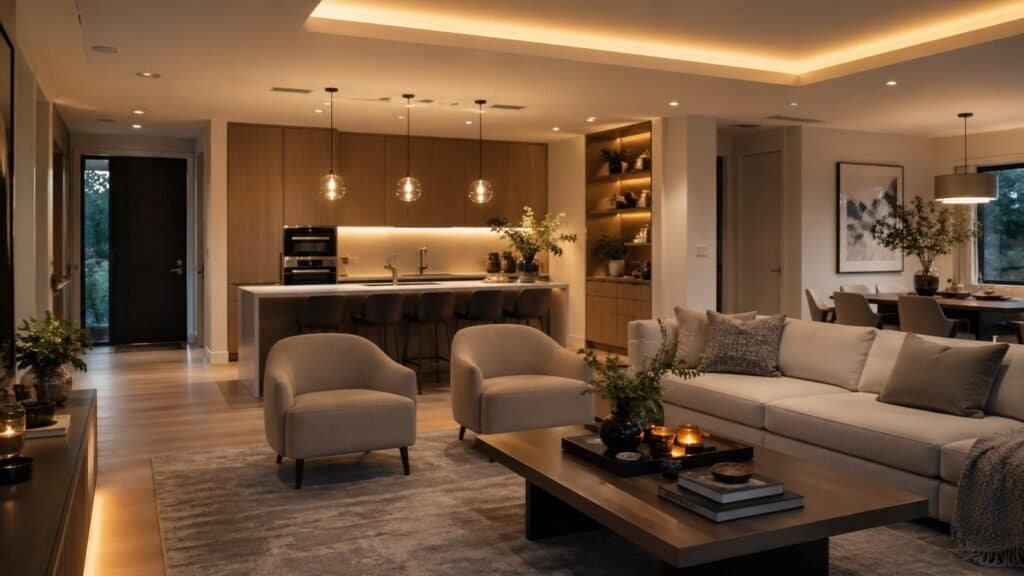
The Biggest Lighting Trends 2027 (Quick Overview)
Before diving deeper, here’s a snapshot of the most influential lighting trends 2027 shaping modern spaces:
- Smart adaptive lighting that learns your habits
- Human-centric lighting focused on health and circadian rhythms
- Sculptural fixtures that double as art pieces
- Minimalist and hidden lighting for clean, modern aesthetics
- Layered lighting design for depth and mood control
- Eco-friendly materials and ultra-efficient LEDs
- Indoor-outdoor lighting integration
- Retro designs with modern technology
Each of these trends reflects a broader shift: lighting is no longer an afterthought—it’s a core design element.
Smart Lighting Evolution: Beyond Voice Control
Smart lighting in 2027 goes far beyond turning lights on and off with your voice. The technology has become more intuitive, more personalized, and far more powerful.
AI-Powered Adaptive Lighting
Modern systems can now learn your daily habits and adjust automatically. For example:
- Lights gradually brighten in the morning to simulate sunrise
- Evening lighting shifts to warmer tones to prepare your body for sleep
- Workspaces adjust brightness based on focus needs
This level of automation reduces decision fatigue and creates a seamless living experience.
Lighting That Supports Your Natural Rhythm
Circadian lighting is no longer niche—it’s becoming mainstream. These systems align with your body’s internal clock by:
- Mimicking natural daylight cycles
- Reducing blue light exposure at night
- Supporting healthier sleep patterns
Full Smart Home Integration
Lighting is now part of a larger ecosystem. It connects with:
- Smart thermostats
- Security systems
- Voice assistants
- Automated blinds
This creates a fully synchronized environment where everything works together.
What This Means for You
Investing in smart lighting in 2027 isn’t just about convenience. It’s about:
- Saving energy
- Enhancing comfort
- Improving overall quality of life
Smart lighting is quickly becoming the foundation of modern living, not just a tech upgrade.
Human-Centric Lighting Takes Center Stage in 2027
One of the most transformative lighting trends 2027 is the rise of human-centric lighting—a design approach that prioritizes how light affects your body and mind.
Instead of static brightness, lighting now adapts to support your natural biological rhythms, also known as circadian rhythms.
What Human-Centric Lighting Really Means
Human-centric lighting adjusts throughout the day to mirror natural sunlight patterns:
- Bright, cool light in the morning to boost alertness
- Neutral light during the day for balanced productivity
- Warm, dim light in the evening to encourage relaxation
This dynamic approach helps your body stay in sync with its internal clock.
Real Benefits You’ll Actually Notice
Unlike many design trends, this one delivers measurable improvements:
- Better sleep quality due to reduced blue light exposure at night
- Improved focus and productivity during working hours
- Enhanced mood and reduced fatigue
- Support for overall mental wellbeing
Work-from-home setups and hybrid offices are driving massive adoption of this trend.
Where It’s Being Used Most
Human-centric lighting is no longer limited to high-end projects. It’s now common in:
- Residential homes (especially bedrooms and living areas)
- Offices and co-working spaces
- Healthcare environments
- Hospitality and wellness centers
Why It’s Defining Lighting Trends 2027
This trend represents a deeper shift—lighting is no longer just visual. It’s biological, emotional, and functional all at once.
For homeowners and designers alike, this means thinking beyond aesthetics and asking: How should this space feel throughout the day?
Sustainable & Energy-Efficient Lighting Innovations
Sustainability is not a bonus feature anymore—it’s a core requirement in lighting trends 2027. Modern lighting solutions are designed to reduce environmental impact without sacrificing style or performance.
The Next Generation of LED and OLED
LED technology continues to dominate, but it’s evolving rapidly:
- Higher efficiency with lower energy consumption
- Longer lifespan, reducing replacement waste
- Improved color rendering for more natural-looking light
OLED lighting is also gaining attention for its ultra-thin, flexible design, opening new creative possibilities.
Solar and Low-Energy Lighting Solutions
Outdoor and even some indoor lighting systems now leverage renewable energy:
- Solar-powered garden and pathway lights
- Battery-efficient smart lighting systems
- Motion-sensor lighting to minimize unnecessary usage
These options are especially useful for reducing electricity costs over time.
Eco-Friendly Materials and Design
Sustainability extends beyond bulbs. Fixtures themselves are becoming greener:
- Recycled metals and glass
- Biodegradable or low-impact materials
- Modular designs for easy repair and upgrades
Consumers are increasingly choosing products that align with eco-conscious values.
Practical Tip: How to Make Your Lighting More Sustainable
You don’t need a full renovation to go green. Start with:
- Switching to high-efficiency LED bulbs
- Installing dimmers to control energy usage
- Using timers or automation to avoid waste
- Choosing durable fixtures over disposable ones
Small upgrades can lead to significant long-term savings.
Sculptural Lighting: When Fixtures Become Art
Lighting trends 2027 are blurring the line between function and art. Fixtures are no longer just tools—they’re centerpieces that define a space.
The Rise of Statement Lighting
Sculptural lighting focuses on bold, eye-catching designs:
- Oversized pendants
- Abstract chandeliers
- Geometric and asymmetrical shapes
These pieces act as focal points, often replacing traditional decor elements.
Organic Forms and Fluid Designs
Nature-inspired shapes are becoming increasingly popular:
- Flowing, wave-like structures
- Soft curves instead of sharp lines
- Materials that mimic natural textures
This creates a more relaxed, human-friendly aesthetic.
How to Use Sculptural Lighting Without Overdoing It
Balance is key when working with statement pieces:
- Use one dominant fixture per room
- Keep surrounding decor minimal
- Pair bold lighting with neutral color palettes
Best Spaces for This Trend
Sculptural lighting works especially well in:
- Living rooms as a conversation starter
- Dining areas above the table
- Entryways for a strong first impression
Why This Trend Matters
People are moving toward interiors that feel personal and expressive. Sculptural lighting allows you to:
- Showcase personality
- Elevate simple spaces
- Combine art and functionality seamlessly
In 2027, lighting isn’t just something you install—it’s something you curate.
Minimalist Lighting Trends 2027: Less Light, More Impact
Minimalism is evolving in lighting trends 2027. It’s no longer about having fewer fixtures—it’s about making light itself the focus, not the hardware.
Hidden Lighting That Transforms Spaces
Integrated lighting is becoming a go-to choice for modern interiors:
- Recessed ceiling lights with no visible trims
- Cove lighting tucked into ceilings or walls
- LED strips embedded in shelves, stairs, and furniture
The result is a clean, seamless glow that feels sophisticated and uncluttered.
The Rise of “Quiet Luxury” Lighting
Minimalist lighting now aligns with the broader “quiet luxury” movement:
- Subtle elegance over flashy design
- High-quality materials with understated finishes
- Lighting that enhances space without demanding attention
This approach works beautifully in high-end homes but is also achievable on a budget with the right planning.
When Minimalism Works Best
Minimalist lighting trends 2027 are ideal for:
- Small apartments needing visual openness
- Modern and Japandi-style interiors
- Spaces where architecture should stand out
Pro Tip: Focus on Placement, Not Quantity
Instead of adding more lights, consider:
- Strategic positioning to eliminate shadows
- Layering soft indirect lighting
- Using dimmers to control intensity
Minimal lighting, when done right, creates a space that feels calm, intentional, and timeless.
Color Temperature & Mood Layering: The New Design Language
Lighting design in 2027 is becoming more nuanced. It’s not just about brightness—it’s about how different light tones interact to shape a mood.
Understanding Color Temperature in Simple Terms
| Temperature Type | Kelvin Range | Mood Effect |
| Warm Light | 2700K–3000K | Cozy, relaxing |
| Neutral Light | 3500K–4100K | Balanced, natural |
| Cool Light | 5000K–6500K | Energizing, focused |
Using only one type across a space is becoming outdated. Instead, designers combine them.
The Art of Layered Lighting
Layering means using multiple light sources for different purposes:
- Ambient lighting for overall illumination
- Task lighting for specific activities
- Accent lighting to highlight features
Blending these layers creates depth and flexibility.
Emotional Zoning Through Light
Different areas of the same room can serve different moods:
- Warm lighting for relaxation corners
- Neutral lighting for general use
- Cooler lighting for workspaces
This approach makes spaces more dynamic and adaptable.
Why This Trend Is Growing Fast
People want spaces that adjust to their lifestyle. Mood layering allows you to:
- Shift ambiance instantly
- Enhance comfort without redesigning
- Personalize your environment
Lighting trends 2027 are moving toward customizable experiences, not static setups.
Outdoor Lighting Trends 2027: Blurring Indoor–Outdoor Living
Outdoor spaces are no longer secondary. Lighting trends 2027 treat them as extensions of the home.
Creating Seamless Transitions
Modern lighting design connects indoor and outdoor areas:
- Matching color temperatures between inside and outside
- Continuous lighting lines that flow through spaces
- Large glass openings enhanced by coordinated lighting
This creates a cohesive, open feel.
Smart and Functional Outdoor Lighting
Technology is transforming exterior lighting:
- Motion-sensor security lights
- App-controlled garden lighting
- Automated schedules for energy efficiency
These features add both convenience and safety.
Sustainable Outdoor Solutions
Eco-conscious design is especially important outdoors:
- Solar-powered pathway lights
- Low-voltage LED systems
- Weather-resistant, long-lasting materials
These reduce maintenance while keeping energy use low.
Where to Focus Your Outdoor Lighting
To maximize impact, prioritize:
- Entryways for safety and first impressions
- Pathways for navigation
- Seating areas for ambiance
- Landscaping features for visual interest
Well-designed outdoor lighting can completely transform how you use your space at night.
Vintage Meets Future: Retro Lighting with Modern Tech
One of the most exciting lighting trends 2027 is the fusion of classic design with cutting-edge technology.
Why Retro Styles Are Making a Comeback
Designers and homeowners are rediscovering:
- Mid-century modern fixtures
- Industrial-style pendants
- Vintage glass and metal finishes
These styles bring warmth and character that ultra-modern designs sometimes lack.
The Modern Upgrade Behind the Look
What makes this trend unique is what you don’t see:
- Smart bulbs hidden inside vintage fixtures
- Energy-efficient LEDs replacing old incandescent bulbs
- Dimmable and color-adjustable retro designs
You get the charm of the past with the performance of the future.
How to Mix Old and New Successfully
Blending styles requires balance:
- Pair vintage fixtures with modern interiors
- Use retro lighting as accent pieces, not everywhere
- Keep color palettes consistent
Where This Trend Works Best
Retro-modern lighting shines in:
- Dining rooms for a cozy atmosphere
- Kitchens with industrial accents
- Living spaces that need warmth and personality
The Appeal of This Hybrid Trend
This trend resonates because it offers:
- Nostalgia without sacrificing convenience
- Unique, character-filled interiors
- A break from overly uniform modern design
Lighting trends 2027 prove that innovation doesn’t mean abandoning the past—it means reimagining it.
Lighting Trends 2027 for Small Spaces & Apartments
Small spaces demand smarter lighting—and lighting trends 2027 deliver exactly that. The goal is to maximize space perception without overcrowding it.
Space-Saving Lighting That Works Harder
Compact homes benefit from multi-functional solutions:
- Wall-mounted lights instead of floor lamps
- Pendant lights that free up surface space
- Built-in LED strips in shelves and cabinets
These options reduce clutter while maintaining strong illumination.
Creating the Illusion of More Space
Lighting can visually expand a room when used correctly:
- Upward-facing lights make ceilings appear higher
- Mirrors paired with lighting reflect brightness
- Even light distribution eliminates dark corners
Multi-Functional Fixtures for Modern Living
Apartments in 2027 favor versatility:
- Lights with adjustable brightness and color
- Fixtures that double as decor pieces
- Smart lighting that adapts to different activities
Quick Wins for Small Spaces
If you want immediate improvement:
- Use lighter color temperatures in tight areas
- Avoid bulky fixtures
- Add under-cabinet lighting in kitchens
Well-planned lighting can make even the smallest space feel open, airy, and comfortable.
Common Lighting Mistakes to Avoid in 2027
Even with the latest lighting trends 2027, poor execution can ruin the result. Avoid these common mistakes to get the most out of your setup.
Over-Lighting or Under-Lighting
Too much light creates harshness, while too little makes spaces feel dull. Balance is key.
Ignoring Lighting Layers
Relying on a single ceiling light limits flexibility. Every room should include:
- Ambient lighting
- Task lighting
- Accent lighting
Choosing Style Over Function
A beautiful fixture that doesn’t provide enough light becomes frustrating over time.
Poor Placement and Glare Issues
Incorrect positioning leads to:
- Shadows in work areas
- Glare on screens
- Uneven lighting distribution
Fix It Fast
- Add dimmers to control intensity
- Reposition lights instead of adding more
- Test lighting at different times of day
Avoiding these mistakes ensures your lighting feels intentional, comfortable, and effective.
How to Choose the Right Lighting for Your Space in 2027
With so many options available, choosing the right lighting can feel overwhelming. A simple framework makes it easier.
Match Lighting to Room Function
| Room Type | Recommended Lighting Approach |
| Living Room | Layered, warm, flexible lighting |
| Bedroom | Soft, warm, calming light |
| Kitchen | Bright task lighting + ambient |
| Workspace | Cool, focused lighting |
Smart vs Traditional Lighting
Choosing between smart and traditional depends on your needs:
- Smart lighting: Best for automation, flexibility, and energy savings
- Traditional lighting: Simpler, lower upfront cost, easy to install
Budget vs Premium Options
You don’t need to overspend to follow lighting trends 2027:
- Start with high-impact areas (living room, kitchen)
- Invest in quality fixtures for long-term use
- Use affordable LEDs to upgrade quickly
Quick Buyer Checklist
Before purchasing, ask:
- Does this fit the room’s purpose?
- Can brightness and tone be adjusted?
- Is it energy-efficient?
- Will it still look good in 3–5 years?
Smart choices lead to lighting that is both beautiful and practical.
Visual Inspiration: Lighting Trends 2027 in Real Homes
Seeing lighting in action helps bring ideas to life. Here are some popular applications of lighting trends 2027:
Modern Minimalist Homes
- Hidden LED strips along ceilings
- Neutral tones with soft illumination
- Clean, uncluttered layouts
Luxury Interiors with Statement Lighting
- Oversized chandeliers as focal points
- Sculptural fixtures in living areas
- Layered lighting for depth
Cozy, Warm-Toned Living Spaces
- Warm lighting for relaxation zones
- Table lamps with soft diffusion
- Mixed textures for a welcoming feel
Outdoor Lighting Setups
- Soft pathway lights guiding movement
- Ambient lighting for seating areas
- Highlighted landscaping features
Use these ideas as inspiration to create a space that feels personal and inviting.
The Future Beyond 2027: What Comes Next in Lighting Design
Lighting innovation isn’t slowing down. What’s coming next goes even further.
Emerging Technologies to Watch
- Bioluminescent lighting inspired by nature
- Ultra-thin, flexible light panels integrated into surfaces
- Invisible light sources embedded into materials
Deeper Integration with AI and Wellness
Lighting systems will become even more personalized:
- Predicting your needs before you adjust settings
- Syncing with health data for optimal wellbeing
- Creating fully adaptive environments
Long-Term Design Direction
Future lighting will focus on:
- Sustainability at every level
- Seamless integration into architecture
- Enhancing human experience, not just visibility
Lighting is evolving into something far beyond fixtures—it’s becoming part of how we live and feel daily.
Designing with Light, Not Just Fixtures
Lighting trends 2027 make one thing clear: great lighting isn’t about buying more fixtures—it’s about designing with intention.
Start small if needed. Upgrade one room, experiment with layering, or introduce smart controls. The impact will be immediate.
For deeper insights into how lighting affects human health and circadian rhythms, explore this resource from the
👉 https://www.energy.gov/energysaver/lighting-choices-save-you-money
FAQ: Lighting Trends 2027
What is the biggest lighting trend in 2027?
Human-centric and smart adaptive lighting are leading the way, focusing on health, automation, and personalization.
Is smart lighting worth it in 2027?
Yes, especially for energy savings, convenience, and creating customizable lighting environments.
What lighting is best for small spaces?
Layered lighting with compact fixtures, wall-mounted lights, and hidden LEDs works best to maximize space.
Are LED lights still the best option?
Absolutely. LEDs remain the most energy-efficient, long-lasting, and versatile lighting solution available.
How can I make my lighting more modern?
Use a mix of layered lighting, upgrade to smart controls, and choose minimalist or sculptural fixtures.
Ready to transform your space? Start by upgrading your lighting—because the right light doesn’t just illuminate your home, it completely changes how it feels.

2 thoughts on “Lighting Trends 2027: Smart, Minimalist & Mood-Boosting Ideas You’ll Want Now”