
Home trends 2027 are moving toward a more personal approach to interior design, where comfort, natural materials, thoughtful technology, and practical living spaces matter just as much as appearance. Rather than filling every room with fashionable furniture, homeowners are looking for ways to create spaces that feel inviting, reflect their personalities, and work well for everyday life.
Whether you are planning a complete renovation or simply want to refresh a tired living room, understanding the latest home design trends can help you make smarter decisions. The best ideas are not necessarily the most expensive ones. Sometimes, changing a color palette, improving the lighting, or rearranging existing furniture can transform a room without requiring a major investment.
This guide explores the home trends 2027, including warm interior colors, natural finishes, distinctive furniture, and practical decorating ideas. You will also discover how to incorporate these styles into different types of homes while avoiding expensive updates that may quickly feel outdated.
In This Article
Home Trends 2027: Why Warm, Natural Interiors Are Taking Center Stage
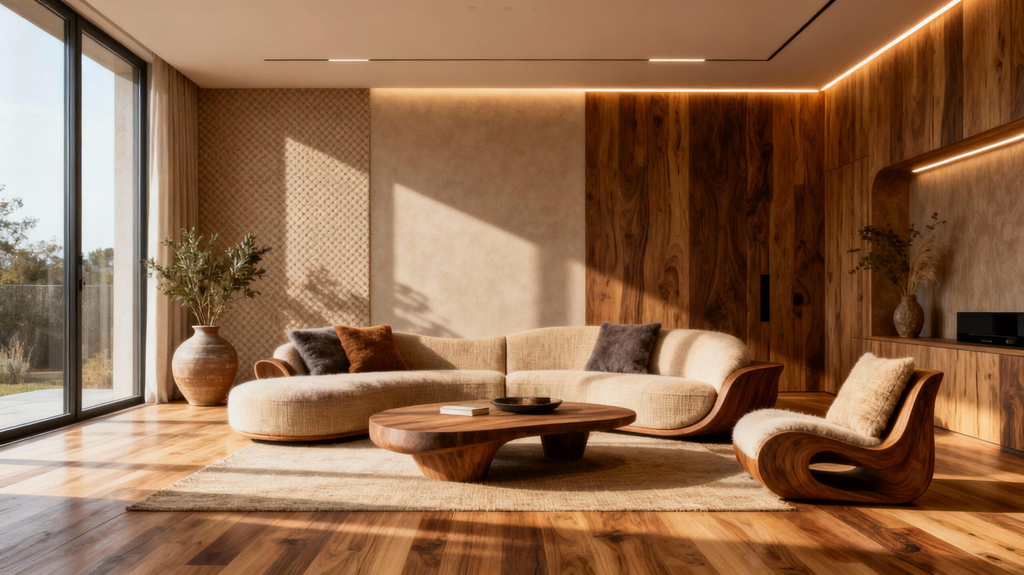
One of the most appealing directions in home trends 2027 is the shift toward interiors that feel relaxed, warm, and connected to nature. Clean lines and uncluttered rooms remain popular design choices, but the overall atmosphere is becoming softer and more welcoming.
Think natural wood furniture, comfortable fabrics, earthy colors, gentle lighting, and decorative objects with interesting textures. These elements work together to create rooms that look carefully designed without feeling too formal or staged.
Why Homeowners Are Choosing Comfort Over Perfectly Styled Rooms
For years, many modern interiors emphasized minimalism, smooth surfaces, and carefully coordinated furniture. While these features can create an elegant appearance, an overly polished room may sometimes feel impersonal.
The emerging preference is for homes that look lived in. A slightly textured wall, a well-loved wooden dining table, or a collection of meaningful objects can make a space feel more authentic than a room where every item looks brand-new.
This approach does not mean abandoning good design. Instead, it encourages homeowners to balance visual simplicity with warmth and character.
Consider a living room with a neutral sofa, a solid wood coffee table, a woven rug, and a few favorite books. The furniture does not need to match perfectly. When the colors, proportions, and textures complement one another, the room can feel cohesive without looking overly coordinated.
Natural Materials That Make a Home Feel More Inviting
Natural and natural-looking materials are an important part of this design direction. They introduce variation, texture, and visual depth that can be difficult to achieve with uniformly smooth surfaces.
Some useful materials to consider include:
- Natural wood: Oak, walnut, ash, and other wood finishes bring warmth to floors, cabinets, shelves, and furniture.
- Stone: Marble, travertine, granite, and stone-look surfaces can add character to coffee tables, kitchen counters, and bathroom details.
- Linen and cotton: These breathable fabrics work well for curtains, cushion covers, bedding, and upholstered furniture.
- Woven fibers: Jute, rattan, and similar materials introduce texture through baskets, rugs, pendant lights, and accent furniture.
- Textured finishes: Limewash-style paint, textured plaster, and tactile wall coverings can create subtle visual interest.
You do not need to use every material in the same room. Combining two or three complementary textures is usually enough to make an interior feel layered and intentional.
For example, a bedroom with cotton bedding, a wooden bedside table, and linen curtains can feel warm and sophisticated without requiring decorative wall panels or expensive accessories.
How to Create a Natural Interior Without Making It Look Rustic
A common misconception is that natural materials automatically create a farmhouse or rustic appearance. In reality, they can work equally well in contemporary apartments, minimalist houses, and modern urban homes.
The key is to balance organic textures with clean shapes.
Try pairing a simple sofa with a sculptural wooden coffee table, or combine smooth kitchen cabinets with a textured stone backsplash. A contemporary dining room can feel softer with linen upholstery and a wooden table while retaining its modern character.
Lighting also makes a significant difference. Warm-toned bulbs, lamps with fabric shades, and indirect lighting can help natural materials look more inviting, especially in the evening.
A practical starting point: Choose one area of your home and introduce a natural material that complements what you already own. Replacing plastic storage baskets with woven alternatives or adding a wooden side table may be enough to change the atmosphere.
The goal is not to recreate a showroom. It is to make your home feel comfortable, functional, and genuinely yours.
The Colors and Materials Defining Home Trends in 2027
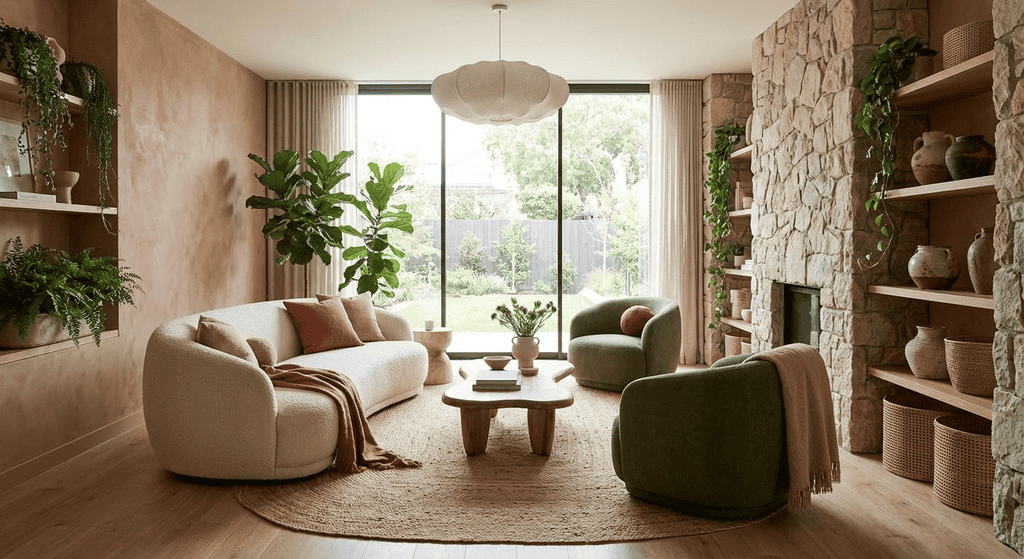
Color can change the way a room feels without requiring structural renovations or expensive furniture. In home trends 2027, warm neutrals, earthy shades, muted greens, and rich brown accents offer alternatives to interiors dominated by cool gray and stark white.
These colors work particularly well with natural materials because they share similar undertones. The result is a room that feels connected rather than assembled from unrelated decorating trends.
Warm Neutrals Are Replacing Cold, Flat Color Schemes
Neutral colors remain useful because they are versatile, but the preferred combinations are becoming warmer and more layered.
Instead of relying exclusively on bright white walls and cool gray furniture, consider shades such as:
- Cream and warm white for a bright, soft background.
- Sand and beige for understated warmth.
- Greige for a balance between gray and beige.
- Taupe for depth without introducing a strong color.
- Chocolate brown for contrast through furniture, wood finishes, or smaller decorative elements.
These shades are especially useful in living rooms and bedrooms, where the atmosphere should feel comfortable rather than overly stimulating.
A warm neutral palette also makes it easier to update a room over time. You can change cushions, curtains, artwork, or accent furniture without having to repaint every wall.
One useful technique is to layer different shades of the same color. A cream sofa against beige walls, combined with a taupe rug and medium-brown furniture, creates depth while keeping the overall design simple.
Earthy Greens, Terracotta, and Brown Add Personality
Although neutral interiors remain adaptable, a home can feel bland when every surface has nearly the same color. Earthy accent shades provide a way to introduce personality without overwhelming the space.
Consider these combinations:
| Color | Best places to use it | Colors that complement it |
| Olive green | Cabinets, accent walls, cushions | Cream, oak, warm white |
| Terracotta | Decorative pottery, textiles, small accent walls | Beige, rust, natural wood |
| Chocolate brown | Furniture, lighting details, cabinetry | Ivory, taupe, muted green |
| Dusty blue | Bedrooms, upholstery, accessories | Warm white, walnut, sand |
| Burgundy | Artwork, accent chairs, smaller decorative details | Cream, brown, muted pink |
These are flexible design suggestions rather than rules. The right combination depends on the amount of natural light, the size of the room, and the colors already present.
If you are uncertain about using a stronger shade, introduce it through items that are easy to replace. A green cushion or terracotta vase is a lower-risk experiment than painting an entire room.
Texture Is Just as Important as Color
A successful color palette can still feel flat when every surface has the same finish. Texture helps solve this problem by adding visual interest without introducing more colors.
For instance, a beige living room can include a boucle accent chair, a linen sofa, a wool rug, and a wooden coffee table. Although the colors remain relatively restrained, the different surfaces prevent the room from looking monotonous.
The same principle works in kitchens. Smooth cabinets can be balanced with a textured backsplash, natural wood shelves, or stone-look countertops.
When selecting materials, consider maintenance as well as appearance. Natural stone may require specific care, textured fabrics can collect dust, and some light-colored upholstery shows stains more easily than darker alternatives.
The best material is one that looks good and fits your routine. Families with young children or pets, for example, may prefer washable slipcovers, durable flooring, and easy-to-clean surfaces over delicate finishes that require constant attention.
How to Choose a 2027 Color Palette That Will Last
Not every fashionable shade needs to become a permanent feature of your home. A balanced approach separates long-term choices from temporary accents.
Use this simple framework:
- Base colors: Choose versatile shades for walls, major flooring decisions, and large pieces of furniture.
- Supporting colors: Introduce complementary tones through curtains, rugs, bedding, and occasional chairs.
- Accent colors: Experiment with stronger shades through artwork, cushions, lampshades, and decorative accessories.
Before committing to paint or upholstery, test samples in the actual room. Observe them in morning sunlight, afternoon light, and artificial lighting after dark. A color that looks soft and neutral in a store can appear noticeably different at home.
This small step can prevent costly mistakes and help your chosen palette work throughout the day.
Furniture and Decor Trends That Make Ordinary Rooms Feel Special
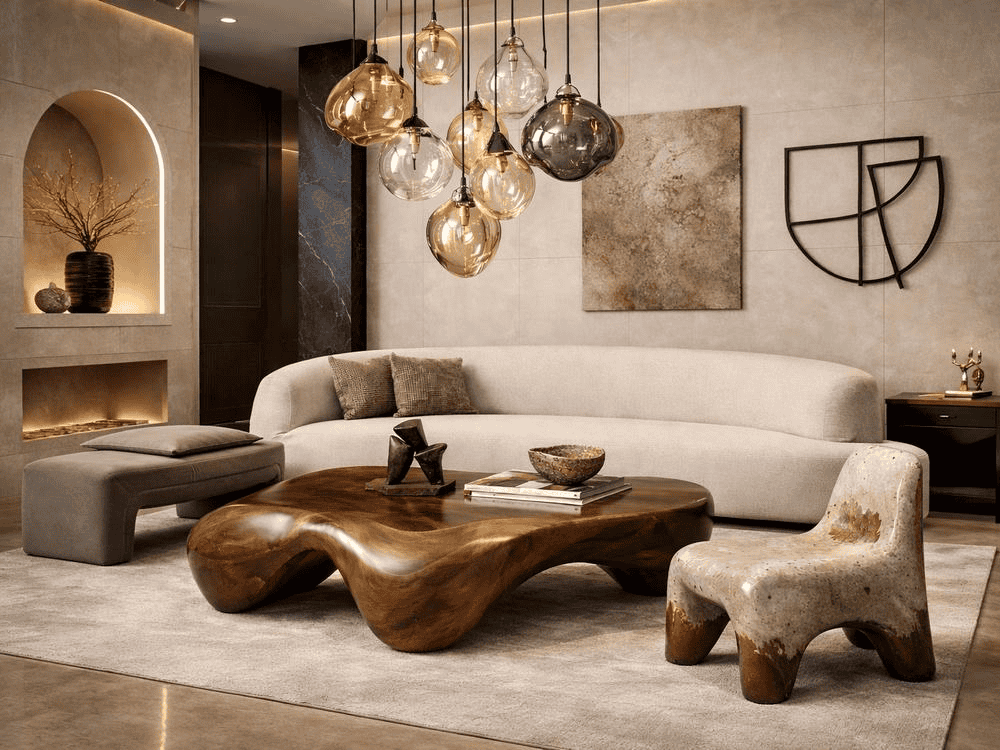
Furniture and accessories can influence a room just as strongly as wall color. Among the home decor trends attracting attention in 2027 are curved silhouettes, sculptural lighting, expressive accent pieces, and a more personal approach to decorating.
The common thread is character. Rather than buying an entire matching furniture set, homeowners can combine pieces with different shapes, finishes, and histories to create a more individual interior.
Curved Furniture and Sculptural Shapes Soften Modern Interiors
Rounded sofas, oval coffee tables, circular dining tables, and curved accent chairs offer an alternative to rooms dominated by straight lines and sharp corners.
These shapes can make a space feel softer, particularly when paired with natural materials and comfortable upholstery.
For example, an oval coffee table can improve movement around a seating area where a rectangular table would create awkward corners. A rounded accent chair can also introduce a contrasting silhouette without requiring a complete furniture replacement.
However, curved furniture is not automatically the best choice for every room. A large rounded sofa may consume valuable floor space, while an unusually shaped table might offer less usable surface area than a conventional design.
Before purchasing, measure the room and check the walking paths around the furniture. Leave enough space to move comfortably between seating, doors, and other frequently used areas.
Practical tip: If your budget does not allow for new furniture, introduce curved shapes through a round mirror, an oval tray, a sculptural lamp, or a small side table. These accessories can create a similar visual effect at a lower cost.
Statement Lighting Is Becoming Part of the Decor
Lighting serves a practical purpose, but it can also function as a focal point. A distinctive pendant light above a dining table or an attractive floor lamp beside a sofa can add personality even when the surrounding decor is simple.
A well-designed lighting scheme usually includes more than one source.
- Ambient lighting provides general illumination throughout the room.
- Task lighting supports specific activities, such as reading, cooking, or working.
- Accent lighting highlights artwork, architectural features, shelves, or decorative objects.
Combining these layers makes a room more adaptable. Bright lighting can help when preparing food or cleaning, while softer lamps can create a more relaxed atmosphere in the evening.
When choosing fixtures, consider both their appearance and the quality of light they provide. A beautiful pendant may not adequately illuminate a kitchen counter, and a single ceiling light can leave corners looking dark.
For a living room, a practical combination might include ceiling lighting, a floor lamp near the sofa, and a table lamp on a sideboard. Dimmers can provide additional flexibility where the electrical setup supports them.
Mixing Vintage Finds With Modern Furniture Creates a Personal Look
Another useful decorating direction is the combination of older and newer pieces. Vintage furniture, secondhand accessories, handmade ceramics, and personal collections can prevent a modern interior from feeling generic.
Imagine a contemporary living room with a clean-lined sofa, a vintage wooden cabinet, a modern floor lamp, and artwork collected over several years. The contrast creates interest because the pieces have different shapes and visual histories.
The trick is to establish a few connecting elements.
Color is one option. A vintage chair with warm wood legs can work beautifully beside a contemporary oak coffee table. Similar materials, complementary finishes, or repeated accent colors can also help different pieces feel connected.
You do not need to fill every corner with decorative objects. A few meaningful items usually have more impact than numerous accessories competing for attention.
When shopping secondhand, inspect furniture for structural damage, persistent odors, pest evidence, and signs of moisture. Check drawers, joints, upholstery, and the condition of the finish before making a purchase.
Older pieces may also need minor repairs or refinishing, so include those costs in your budget.
Which Home Decor Trends Are Worth Investing In?
Some design choices are relatively easy to change, while others involve considerable expense. Understanding the difference helps you enjoy current trends without committing to every passing fashion.
| Decor element | Investment approach | Why it makes sense |
| Sofa and primary seating | Prioritize comfort, construction, and durable upholstery | These pieces receive frequent use |
| Dining table | Choose a practical size and sturdy material | A functional table can last through changing styles |
| Statement lighting | Invest when the design and light quality both work | Lighting affects both function and atmosphere |
| Cushions and throws | Experiment with current colors and textures | They are relatively inexpensive to replace |
| Artwork and accessories | Buy pieces that reflect your interests | Personal meaning can outlast changing trends |
| Accent furniture | Mix affordable, vintage, and quality pieces | A room does not need a perfectly matched set |
A useful rule is to invest in function and experiment with decoration. You are more likely to appreciate a comfortable sofa or well-made dining table for years than an expensive accessory purchased solely because it is fashionable.
Before buying anything new, look at what you already own. Moving a lamp, changing a rug’s position, removing unnecessary accessories, or pairing an existing chair with a different side table may be enough to give a familiar room a fresh appearance.
The most successful home trends are not simply the ones that look attractive in photographs. They are the ideas that make your home more comfortable, more functional, and more reflective of the people who live there.
Smarter Small Spaces: Home Trends 2027 for Flexible Living
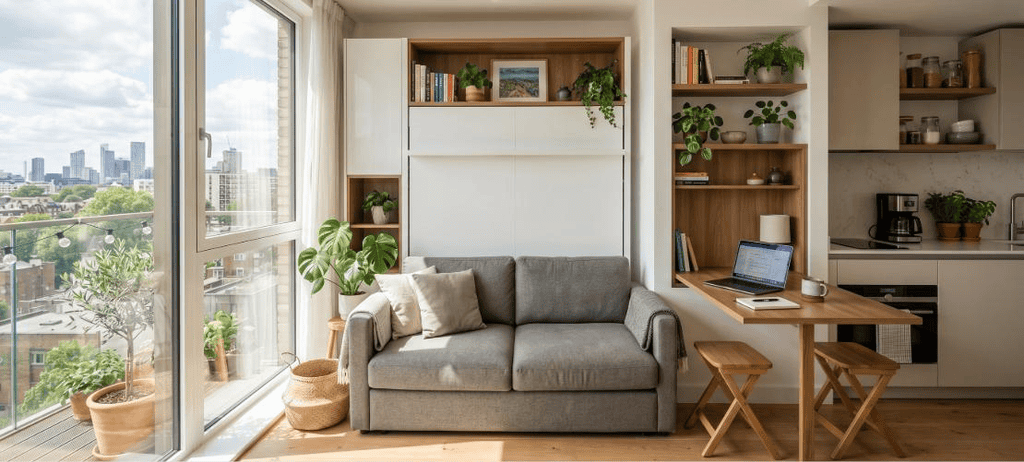
One of the most practical home trends 2027 is the growing emphasis on flexible spaces. Homes need to support more than one activity, whether that means working remotely, entertaining guests, enjoying family time, or finding a quiet place to relax.
This shift is especially relevant for apartment dwellers, homeowners with limited square footage, and people interested in tiny homes. Instead of focusing only on how large a room is, thoughtful design considers how effectively every part of the space can be used.
The good news is that creating a more functional home does not always require an extension or expensive renovation. Better furniture choices, smarter storage, and a few layout adjustments can make a noticeable difference.
Multifunctional Furniture Makes Every Square Foot Count
Furniture that serves more than one purpose can help small homes feel less crowded without sacrificing comfort.
Consider these practical options:
- Sofa beds: Provide everyday seating while offering an additional sleeping space for overnight guests.
- Extendable dining tables: Stay compact for daily meals and expand when friends or family visit.
- Storage ottomans: Function as footrests, extra seating, and convenient places to store blankets or magazines.
- Fold-down desks: Create a workspace that can be tucked away when the working day ends.
- Beds with built-in storage: Provide space for bedding, seasonal clothing, and other belongings.
- Nesting tables: Offer flexible surfaces when needed and stack together when floor space is more important.
The best choice depends on how you actually use your home. A sofa bed may be useful in a studio apartment, while a fold-down desk could be more valuable in a bedroom that doubles as a home office.
Before purchasing multifunctional furniture, check its dimensions in both its open and closed positions. A dining table that expands beautifully may still block a doorway when fully extended, and a sofa bed needs enough clearance to open comfortably.
Built-In Storage Keeps Small Homes Organized
Storage is another important part of modern home design. A room can contain beautiful furniture and carefully chosen colors yet still feel cramped when everyday belongings have nowhere to go.
Built-in shelves, cabinets that reach toward the ceiling, under-stair storage, and drawers beneath beds can help make better use of available space.
For renters who cannot make permanent changes, freestanding shelving, over-door organizers, storage benches, and modular furniture provide flexible alternatives.
A few storage principles are particularly useful:
- Use vertical space for items that do not need to be accessed constantly.
- Keep frequently used belongings within easy reach.
- Store seasonal items in clearly labeled containers.
- Choose furniture with concealed storage when visual clutter is a concern.
- Avoid filling every available shelf simply because space exists.
The last point matters more than it might seem. Storage should make a home easier to maintain, not encourage the accumulation of things that are rarely used.
How to Make a Small Room Feel Bigger Without Renovating
A small room does not necessarily need more square footage to feel spacious. The way furniture is arranged, the amount of natural light, and the visual complexity of the room can all influence how open it feels.
Try these adjustments before considering a costly renovation:
Improve the lighting. Keep windows as unobstructed as possible and use several light sources to brighten darker corners. Mirrors can help distribute daylight visually, although their effectiveness depends on placement.
Choose furniture with appropriate proportions. Oversized furniture can overwhelm a small room. Pieces with raised legs or open bases may create a lighter appearance because more of the floor remains visible.
Maintain clear walking paths. Arrange furniture so people can move comfortably between doors, seating, and frequently used areas. A practical layout is often more valuable than squeezing in an additional decorative piece.
Use color strategically. Coordinated colors across walls, curtains, and larger furniture can create visual continuity. Dark colors can also work in small rooms, but their effect depends on lighting, contrast, and personal preference.
Reduce unnecessary visual clutter. A few larger, purposeful decorative objects can look more organized than numerous small items scattered across every surface.
These techniques work well in apartments, compact houses, and tiny homes, where every design decision affects both appearance and functionality.
Smart Home Technology That Makes Everyday Living Easier
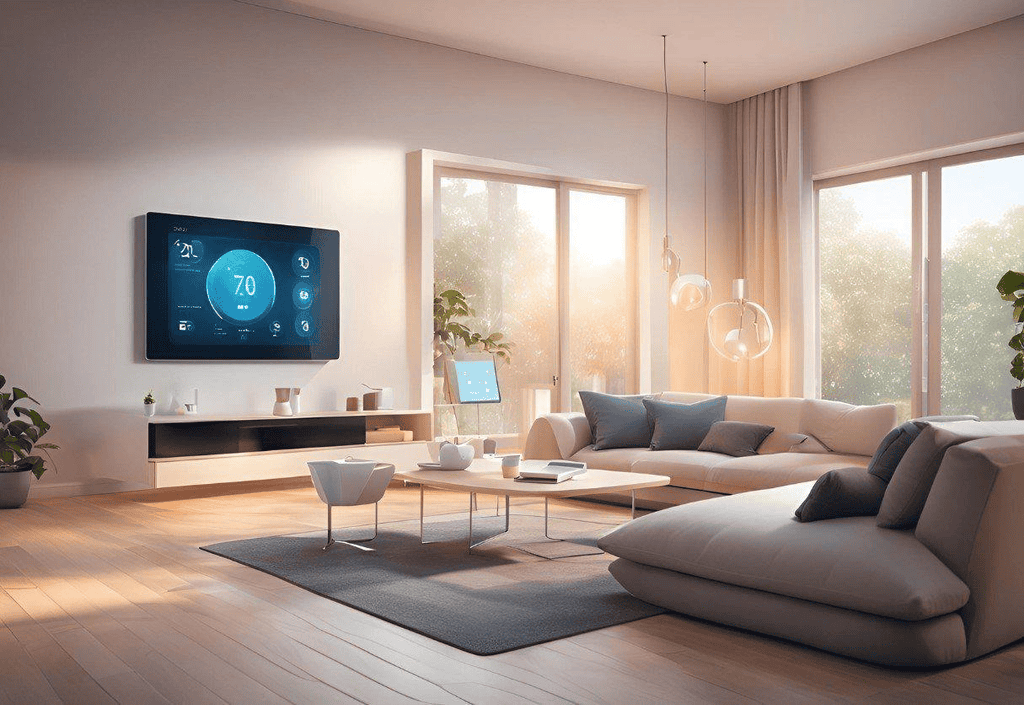
Technology is becoming an increasingly useful part of home design, but the most valuable home trends 2027 are not necessarily the most complicated or expensive. Practical smart home features can simplify everyday routines, improve comfort, and help homeowners monitor energy use.
The key is to choose technology that solves a real problem rather than adding devices simply because they are available.
Smart Lighting Creates a More Flexible Home
Smart lighting allows homeowners to adjust brightness, set schedules, and, with compatible bulbs or fixtures, change color temperature or color. These options can make rooms more adaptable throughout the day.
For example, a living room might use brighter lighting when cleaning or working and softer illumination when relaxing in the evening. Scheduled outdoor lighting can also provide convenience when arriving home after dark.
Smart bulbs are often an accessible starting point because they may fit existing light fixtures. However, check compatibility with your switches, dimmers, and home network before purchasing.
If you prefer a simpler setup, conventional LED bulbs combined with dimmer switches can provide many of the same practical benefits without requiring a connected system.
Energy-Efficient Technology Can Improve Everyday Comfort
Energy-conscious improvements are another important consideration for homeowners updating their spaces.
Depending on the property and local climate, useful options include:
- Programmable or smart thermostats: Help manage heating and cooling schedules where compatible systems are installed.
- LED lighting: Uses less electricity than traditional incandescent lighting for comparable light output.
- Smart plugs: Allow compatible appliances to be scheduled or switched off remotely.
- Energy monitoring devices: Help identify appliances or usage patterns that contribute to electricity consumption.
- Efficient appliances: May reduce energy and water use compared with less efficient alternatives.
Technology alone cannot guarantee lower utility bills. Actual savings depend on how a device is used, local energy prices, the efficiency of existing equipment, and the home’s insulation and ventilation.
A smart thermostat, for instance, may offer limited benefits if the heating or cooling system is incompatible or already operates efficiently under a suitable schedule.
Start with the largest practical problem. If your home becomes uncomfortably hot in the afternoon, improving shading or addressing air leaks may deserve attention before buying connected devices. If lights are frequently left on in unused rooms, motion sensors or scheduled lighting could be a more direct solution.
Smart Security and Connected Appliances: What Should You Prioritize?
Smart locks, video doorbells, security cameras, leak detectors, and connected appliances can make certain household tasks easier. Their value depends on your lifestyle, budget, and comfort with connected technology.
| Smart home feature | Potential benefit | What to check before buying |
| Smart lock | Convenient entry and access management | Backup entry method, compatibility, and security |
| Video doorbell | Remote viewing and visitor notifications | Wi-Fi reliability, privacy, and subscription costs |
| Water leak detector | Early warning of potential leaks | Sensor placement, alerts, and battery life |
| Smart thermostat | Automated temperature scheduling | HVAC compatibility and installation requirements |
| Smart appliances | Remote controls and maintenance alerts | Long-term usefulness and app support |
| Smart plugs | Scheduled operation of compatible devices | Electrical ratings and appliance compatibility |
Privacy deserves attention whenever devices collect video, audio, occupancy, or other household information. Use strong, unique passwords, enable multifactor authentication when available, install security updates, and review the information each device collects.
It is also wise to check whether essential functions continue to work when the internet connection fails. A connected home should remain practical even when an app, cloud service, or wireless network becomes temporarily unavailable.
How to Build a Smart Home Without Overspending
You do not need to automate an entire house at once. A gradual approach makes it easier to assess which features are genuinely useful.
Start with one or two devices that address a recurring inconvenience. Use them for several weeks, then decide whether additional technology would provide meaningful benefits.
Before buying, compare the total cost rather than just the advertised price. Installation, subscriptions, replacement batteries, compatible hubs, and potential equipment upgrades can increase the long-term expense.
The most successful smart home is not the one with the greatest number of connected devices. It is the one that makes daily life easier without creating unnecessary complexity.
Sustainable Home Trends 2027: Beautiful Design With Less Waste
Sustainability is an important consideration in home trends 2027 because many homeowners want attractive interiors that remain practical over time. Instead of replacing everything whenever styles change, a more thoughtful approach focuses on durability, reuse, energy efficiency, and materials that suit the household’s needs.
Sustainable design does not require a completely new home or a large renovation budget. Small decisions, such as repairing furniture, selecting durable finishes, or reducing unnecessary purchases, can be useful starting points.
Reclaimed Materials and Secondhand Furniture Add Character
Reclaimed wood, vintage furniture, refurbished cabinets, and secondhand decorative objects can introduce distinctive character while extending the useful life of existing products.
A dining table made from reclaimed timber, for example, may provide a more individual look than a mass-produced alternative. A secondhand cabinet can also become a focal point after careful cleaning, repair, or refinishing.
Before buying used furniture, inspect its structural condition and consider the work needed to make it suitable for your home. Check for moisture damage, pests, unstable joints, and worn electrical components in older lamps or fixtures.
Reclaimed materials also require careful selection. Their environmental benefits depend on factors such as processing, transportation, durability, and whether they can safely serve their intended purpose.
Energy-Efficient Improvements Worth Considering
Some home improvements affect comfort and operating costs more directly than decorative changes.
Depending on your property, useful upgrades may include:
- Sealing air leaks around suitable doors and windows.
- Improving insulation where existing insulation is inadequate.
- Installing efficient LED lighting.
- Choosing energy-efficient appliances when replacements are necessary.
- Improving window coverings to help manage heat and sunlight.
- Maintaining heating, cooling, and ventilation equipment.
The best improvement depends on the home’s current condition. A well-insulated house may benefit more from efficient appliances than additional insulation, while a drafty property may need air sealing before other upgrades can deliver their full potential.
Climate also matters. Homes in hot, humid regions may benefit from effective shading, appropriate ventilation, and carefully managed cooling, while colder climates may place greater emphasis on insulation and heat retention.
For homeowners considering more substantial work, the U.S. Department of Energy provides practical guidance on home energy assessments and efficiency improvements through its Energy Saver resource.
Repair, Reuse, and Repurpose Before Replacing
One of the simplest ways to make a home more sustainable is to reconsider whether an item really needs to be replaced.
A wooden dresser may only require new hardware and a fresh finish. A solid dining chair might need tightening rather than disposal. Existing curtains can sometimes be reused in another room, and leftover paint may be suitable for a small accent project.
Before buying something new, ask yourself:
- Can the existing item be repaired?
- Would a different arrangement make it more useful?
- Can it serve another purpose in the home?
- Is a secondhand alternative available in good condition?
- Will the replacement be durable enough to justify its cost?
This approach can reduce waste while helping you avoid unnecessary spending.
Durability is especially important when selecting flooring, cabinetry, upholstery, and other components that are difficult or expensive to replace. A modestly styled product that lasts for many years may be a better choice than a fashionable alternative that requires frequent replacement.
How to Recognize Genuine Sustainable Design
Environmental claims can be difficult to evaluate, so look beyond labels and attractive marketing.
Consider the product’s expected lifespan, repairability, material composition, maintenance requirements, and the transparency of the manufacturer’s information.
Natural materials are not automatically more sustainable in every situation, just as a recycled product is not necessarily the best option for every application. Transportation, manufacturing, durability, and disposal all influence the bigger picture.
A practical sustainable home balances several priorities: comfort, energy use, responsible purchasing, and long-term functionality.
The aim is not to create a perfectly sustainable interior overnight. It is to make better decisions whenever a purchase or renovation becomes necessary.
How to Bring Home Trends 2027 Into Your Space Without Overspending
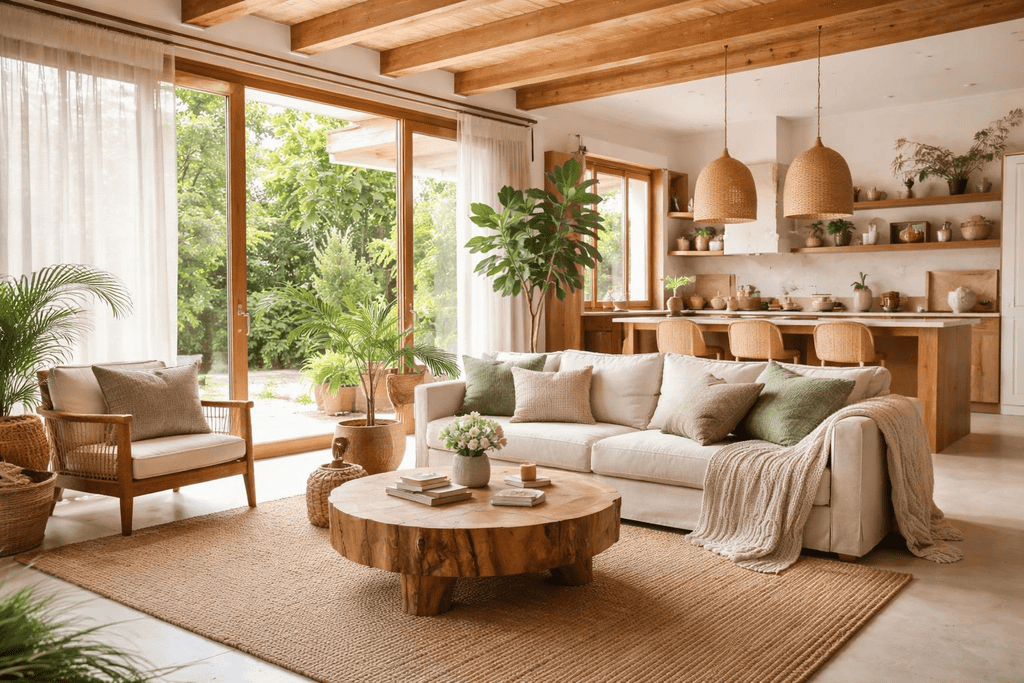
You do not need to follow every home trend to create a stylish interior. The most effective approach is to identify the ideas that suit your lifestyle, choose the improvements that will make the greatest difference, and introduce them at a pace your budget can comfortably support.
Some updates can be completed in an afternoon, while others require careful planning and professional assistance. Knowing where to spend and where to save can help you avoid costly mistakes.
Start With Small Changes That Have a Visible Impact
Before replacing furniture or committing to a renovation, assess what currently works and what feels wrong about the space.
Perhaps the living room feels too dark, the bedroom lacks warmth, or the kitchen looks cluttered. Identifying the specific problem makes it easier to select a solution.
For example, a living room may benefit from warmer lighting, a textured rug, and a different furniture arrangement rather than a new sofa. A bedroom may feel more inviting with layered bedding, coordinated curtains, and a carefully placed bedside lamp.
Affordable changes worth considering include:
- Repainting a wall or refreshing worn paintwork.
- Replacing outdated lampshades or light fixtures where appropriate.
- Introducing cushions and throws in earthy colors.
- Rearranging furniture to improve movement through the room.
- Adding a mirror to reflect available daylight.
- Displaying artwork or personal objects more intentionally.
- Updating cabinet handles and other small hardware details.
Choose changes that address a real need rather than purchasing accessories simply to reproduce a photograph you saw online.
A Room-by-Room Guide to Home Trends 2027
Different rooms have different priorities. A beautiful living room needs comfortable seating, while a practical kitchen depends heavily on storage, workflow, and suitable surfaces.
| Room | Trends to consider | Practical starting point |
| Living room | Warm neutrals, curved accents, layered lighting | Rearrange furniture and introduce textured cushions |
| Bedroom | Soft colors, natural fabrics, warm lighting | Refresh bedding and improve bedside lighting |
| Kitchen | Natural finishes, functional storage, efficient lighting | Declutter counters and update cabinet hardware |
| Bathroom | Earthy colors, simple accessories, durable finishes | Replace worn accessories and improve lighting |
| Home office | Flexible furniture, ergonomic design, smart lighting | Improve desk placement and cable management |
| Entryway | Practical storage, mirrors, statement lighting | Add hooks, a small bench, or a compact shoe cabinet |
These suggestions can be adapted to different budgets and property sizes. A renter might use removable accessories and freestanding furniture, while a homeowner planning a renovation may have more freedom to change cabinetry, lighting, and built-in storage.
What to Prioritize When Your Budget Is Limited
When money is tight, focus on changes that improve comfort, solve everyday problems, or protect the condition of your home.
A useful order of priorities is:
Address maintenance and safety first. Deal with leaks, damaged wiring, moisture problems, and other issues that could become more expensive if ignored. Hire qualified professionals when the work requires specialist knowledge.
Improve function next. Make sure furniture fits the room, storage is adequate, and lighting supports the activities that take place there.
Refresh the appearance. Introduce new colors, textures, artwork, and accessories after the practical needs are covered.
Invest in lasting upgrades selectively. When replacing major items, prioritize durability, repairability, and suitability for your home rather than a trend’s temporary popularity.
This order helps prevent a common decorating mistake: spending money on cosmetic improvements while ignoring a problem that will eventually require more expensive work.
When Should You DIY and When Should You Hire a Professional?
Many decorating projects are manageable without professional assistance. Painting walls, rearranging furniture, installing some removable storage systems, and updating decorative accessories can be suitable DIY tasks when completed safely.
Other projects require greater care. Electrical modifications, major plumbing work, structural changes, and complex installations may require licensed or qualified professionals, depending on local regulations.
Consider hiring help when a mistake could affect safety, cause significant property damage, or cost more to correct than the original work.
Before starting a renovation, establish a realistic budget that includes materials, labor, delivery, permits where applicable, and a contingency for unexpected expenses. Obtain itemized estimates for larger projects so you can compare the scope of work rather than focusing only on the lowest price.
A Simple Checklist for Updating Your Home in 2027
Use this checklist to turn inspiration into a manageable plan.
Your home refresh checklist
Identify the rooms that need the most improvement
Set a realistic budget before shopping
Choose a flexible base color palette
Keep or repair furniture that still works well
Improve lighting in frequently used spaces
Add natural materials and varied textures
Review storage and furniture placement
Compare product durability and maintenance needs
Check safety and compatibility before installing smart devices
Finish one room before starting several new projects
You do not have to complete everything at once. Select two or three improvements that would make the biggest difference to your daily life, then build from there.
Frequently Asked Questions About Home Trends 2027
What are the biggest home trends in 2027?
Major design directions include warm neutral palettes, natural materials, textured finishes, distinctive furniture, flexible layouts, practical smart home technology, and more sustainable purchasing choices. The most suitable trends depend on your home, lifestyle, and budget.
What colors are trending for home interiors in 2027?
Warm white, cream, beige, taupe, olive green, terracotta, and rich brown are useful colors to explore. Combining neutral backgrounds with a few earthy accents can create a welcoming interior without making the design feel overly busy.
Are gray interiors going out of style in 2027?
Gray is not disappearing, but warmer and more layered color combinations offer an alternative to interiors dominated by cool gray. You can update an existing gray room by introducing wood, cream textiles, warmer lighting, and complementary accent colors instead of repainting everything.
How can I update my home for 2027 on a small budget?
Start with furniture rearrangement, better lighting, fresh textiles, paint, and improved storage. Reusing existing furniture and shopping secondhand can also help reduce costs. Address maintenance and safety issues before spending money on purely decorative upgrades.
What furniture styles are popular in 2027?
Curved silhouettes, sculptural accent pieces, natural wood finishes, comfortable upholstery, and combinations of vintage and contemporary furniture are useful styles to explore. Prioritize comfort, durability, and suitable dimensions rather than choosing furniture based solely on current popularity.
How can I make a small home look modern in 2027?
Use appropriately sized furniture, clear walking paths, effective lighting, and storage that keeps everyday clutter under control. Multifunctional pieces can also help a small room serve several purposes without becoming overcrowded.
Is smart home technology worth the investment in 2027?
It can be worthwhile when it solves a specific problem, such as managing lighting schedules, monitoring water leaks, or improving temperature control. Compare installation costs, compatibility, privacy protections, and ongoing fees before deciding which devices offer genuine value.
What are the most sustainable home design ideas for 2027?
Consider repairing furniture, buying durable products, reusing existing materials, selecting efficient lighting and appliances, and improving insulation or air sealing when appropriate. The most useful improvements depend on your home’s current condition and local climate.
How do I make my home look expensive without spending a lot?
Focus on visual consistency, good lighting, uncluttered surfaces, suitable furniture proportions, and a few quality-looking materials. A coordinated color palette and well-maintained existing furniture can create a polished appearance without requiring luxury purchases.
Should I follow every home decor trend in 2027?
No. Use trends as inspiration rather than strict rules. Choose ideas that complement your existing home, support your daily routines, and fit your budget. Invest in lasting essentials and experiment with inexpensive accessories when you want to try a new style.
Make Your Home Feel More Like You in 2027
The best home trends of 2027 share a simple principle: a beautiful home should work for the people who live in it. Warm colors, natural textures, thoughtful furniture choices, flexible layouts, and practical technology can all help create a space that feels more comfortable and personal.
You do not need to renovate every room or purchase the latest products to achieve that result. Start by identifying what your home needs most, then make a few deliberate improvements that offer genuine value.
Ready to refresh your home? Choose one room, select two or three ideas from this guide, and create a simple plan for putting them into practice. With thoughtful choices and a little creativity, you can build a more stylish, functional home in 2027 without losing sight of your budget or personal taste.
