
Interior Trends 2028 are shaping up to be more than just aesthetic shifts—they reflect how people want to live, feel, and function in their spaces. If you’re planning a redesign, refreshing a room, or simply staying ahead of design movements, this guide breaks down exactly what’s changing and how to apply it in real life.
Expect practical insights, emerging styles, and clear explanations of why these trends matter—so you can create a home that feels modern, personal, and future-ready.
In This Article
Interior Trends 2028 at a Glance: What’s Changing and Why It Matters
Interior design in 2028 is moving away from rigid trends and toward adaptive, human-focused spaces. Homes are no longer just visual statements—they’re environments that support lifestyle, wellness, and flexibility.
What’s driving these changes?
Several forces are shaping Interior Trends 2028:
- Lifestyle evolution: More people working remotely or hybrid
- Sustainability expectations: Eco-conscious choices are now standard
- Technology integration: Smart systems blending seamlessly into design
- Emotional awareness: Spaces designed to reduce stress and improve well-being
How 2028 differs from 2025–2027
The earlier years leaned heavily on clean minimalism and neutral palettes. By 2028, that look evolves into something more layered and expressive.
| 2025–2027 Trends | 2028 Direction |
| Cool minimalism | Warm, soft minimalism |
| Stark white interiors | Rich, earthy tones |
| Visible tech | Invisible, integrated tech |
| Trend-driven styling | Personalized interiors |
The biggest shift? Homes are becoming more individual and intuitive, rather than trend-driven replicas.
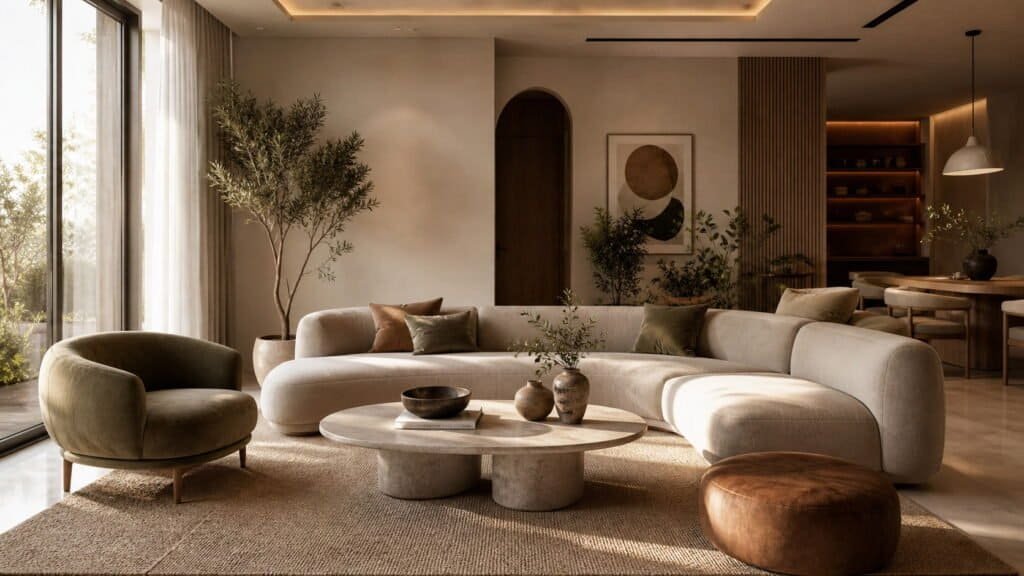
The Rise of “Human-Centered” Interiors in 2028
Design in 2028 prioritizes how spaces feel, not just how they look. This approach—often called human-centered design—focuses on comfort, emotion, and everyday usability.
Designing for comfort, mental wellness, and daily rituals
Spaces are being shaped around real-life habits:
- Reading corners with soft lighting
- Calming bedroom layouts for better sleep
- Kitchens designed for slow, intentional cooking
Materials, lighting, and layout all contribute to reducing stress and enhancing comfort.
Soft minimalism vs. cold minimalism
Minimalism isn’t disappearing—it’s evolving.
- Cold minimalism: stark, empty, overly polished
- Soft minimalism: warm tones, layered textures, lived-in feel
Soft minimalism keeps things simple while adding warmth through:
- Natural fabrics like linen and wool
- Subtle color variation
- Organic shapes and curves
Emotional design: spaces that feel good
Interior Trends 2028 emphasize emotional connection. A room should evoke a feeling—calm, energy, focus, or comfort.
Designers are now asking:
- Does this space reduce stress?
- Does it support daily routines?
- Does it feel personal?
That shift is why homes are becoming more authentic and less staged.
Color Trends Defining Interior Design in 2028
Color in 2028 moves away from safe neutrals and embraces depth, warmth, and personality—without becoming overwhelming.
Earthy neutrals, reimagined
Classic neutrals are still relevant, but they’re richer and warmer:
- Sand beige instead of cool gray
- Mushroom tones replacing stark white
- Warm taupe with subtle undertones
These shades create a more inviting atmosphere while remaining versatile.
Unexpected accent colors
Accent colors are becoming more grounded and sophisticated:
- Muted terracotta and clay reds
- Deep olive and forest greens
- Dusty burgundy and warm rust tones
These colors add personality without dominating the space.
Tonal layering vs. high contrast
High-contrast interiors are giving way to tonal layering—using different shades of the same color family.
Example:
- Walls: soft beige
- Sofa: deeper caramel tone
- Decor: light sand accents
This approach creates a cohesive, calming look that feels intentional and modern.
Why this shift matters
Color is no longer just decorative—it plays a role in mood and well-being. Warmer palettes help create environments that feel grounded, comfortable, and livable.
Materials That Will Dominate Interior Trends 2028
Materials in Interior Trends 2028 are doing more than filling space—they’re shaping how a room feels to the touch, ages over time, and impacts the environment. Expect a strong shift toward tactile, sustainable, and intelligently engineered surfaces.
Natural + engineered hybrids
Pure natural materials remain popular, but hybrids are gaining ground for durability and eco-performance.
- Stone composites that mimic marble but resist stains
- Eco-resins made from recycled or plant-based sources
- Engineered wood with improved longevity and lower waste
These materials balance beauty with practicality, making them ideal for everyday living.
Textured surfaces take center stage
Flat, glossy finishes are being replaced with depth and texture. Walls and surfaces are no longer just visual—they’re sensory.
Popular finishes include:
- Limewash walls with soft, cloudy variation
- Clay and plaster textures for an organic feel
- Brushed metals instead of polished chrome
Texture adds subtle complexity without overwhelming the design.
The return of tactile design
Touch matters more than ever in 2028 interiors. People want materials that feel:
- Soft underfoot
- Warm to the touch
- Naturally imperfect
Think boucle fabrics, raw wood grains, and hand-finished ceramics. These elements create spaces that feel lived-in and authentic, not manufactured.
Sustainability as a baseline
Sustainability is no longer a selling point—it’s expected.
Key priorities include:
- Low-VOC paints and finishes
- Responsibly sourced materials
- Products designed for long-term use
Homes are being designed with a lifecycle mindset, reducing waste and prioritizing longevity.
Furniture Trends 2028: Sculptural, Modular, and Multifunctional
Furniture in 2028 blends art, adaptability, and efficiency. Pieces are no longer just functional—they act as focal points while adjusting to changing needs.
Statement furniture as art
Sofas, chairs, and tables are becoming sculptural elements.
Expect to see:
- Curved silhouettes and asymmetrical designs
- Bold yet refined forms
- Pieces that stand out without overpowering the room
A single statement item can now define the entire space.
Flexible layouts with modular systems
Rigid layouts are fading. Modular furniture allows spaces to evolve.
Examples include:
- Sectional sofas that reconfigure easily
- Expandable dining tables
- Stackable or movable storage units
This flexibility supports modern lifestyles, especially in homes that serve multiple purposes.
Compact living solutions for urban homes
As urban living spaces shrink, furniture becomes smarter.
Look for:
- Beds with hidden storage
- Foldable desks for work-from-home setups
- Multi-use furniture like ottomans with storage
Efficiency is key—but without sacrificing style.
Why this matters
Furniture is becoming an investment in function + longevity. Instead of buying more, people are choosing fewer, better pieces that adapt over time.
Smart Homes, Smarter Interiors: Technology Integration in 2028
Technology in Interior Trends 2028 is no longer obvious—it’s seamless, intuitive, and nearly invisible. The goal is to enhance living without disrupting design.
Invisible tech integration
Visible wires and bulky devices are disappearing. Technology is being built directly into the environment.
Examples include:
- Hidden LED lighting within walls and ceilings
- Built-in speakers that blend into surfaces
- Concealed charging stations and outlets
The result is a cleaner, more cohesive aesthetic.
AI-powered personalization
Homes are becoming responsive to individual habits.
Smart systems can:
- Adjust lighting based on time of day
- Learn temperature preferences
- Suggest routines based on behavior
This creates a living environment that feels tailored and effortless.
Voice, gesture, and ambient controls
Interaction with technology is becoming more natural.
- Voice assistants managing lighting and appliances
- Gesture controls for touch-free interaction
- Sensors that respond to movement and presence
These systems reduce friction in daily routines.
Designing tech without compromising aesthetics
The challenge in 2028 is balancing innovation with design integrity.
Best practices include:
- Integrating tech during the design phase, not as an afterthought
- Choosing systems that prioritize minimal visual impact
- Keeping interfaces simple and unobtrusive
Technology should support the space—not dominate it.
Interior Trends 2028 for Small Spaces: Big Style, Less Space
Small homes and apartments are becoming the norm, which is why Interior Trends 2028 focus heavily on maximizing space without sacrificing style or comfort.
Space-saving layouts that don’t feel cramped
The key isn’t just saving space—it’s making small spaces feel open and breathable.
Effective strategies include:
- Open-plan layouts with subtle zoning
- Low-profile furniture to maintain visual flow
- Strategic mirror placement to reflect light and expand the room
A well-designed small space should feel intentional, not limited.
Vertical design strategies
When floor space is limited, vertical space becomes essential.
- Floor-to-ceiling shelving for storage and display
- Tall cabinetry in kitchens and bedrooms
- Wall-mounted lighting instead of bulky floor lamps
This approach draws the eye upward, creating the illusion of height and openness.
Multi-use zones in apartments and tiny homes
Rooms in 2028 are expected to serve multiple purposes.
Examples:
- Living rooms doubling as workspaces
- Bedrooms incorporating reading or meditation corners
- Dining tables used as both work and social hubs
Zoning techniques—like rugs, lighting, or partitions—help define each function without adding clutter.
Lighting Trends 2028: From Functional to Atmospheric
Lighting is no longer just about visibility. In Interior Trends 2028, it becomes a core design element that shapes mood, depth, and experience.
Layered lighting as a design foundation
A single overhead light is no longer enough. Instead, spaces use multiple layers:
- Ambient lighting for overall illumination
- Task lighting for functionality
- Accent lighting to highlight features
Layering creates flexibility, allowing rooms to shift from bright and functional to soft and relaxing.
Sculptural lighting fixtures
Lighting fixtures are becoming statement pieces.
Expect:
- Pendant lights with artistic shapes
- Oversized floor lamps with bold curves
- Chandeliers that double as art installations
These elements add personality while serving a practical purpose.
Warm lighting takes over
Cool, bluish lighting is fading out. Warm tones dominate because they feel more natural and inviting.
- Soft white bulbs for living areas
- Warm dimmable lighting for bedrooms
- Golden hues for cozy evening atmospheres
This shift aligns with the broader focus on comfort and well-being.
Smart lighting that adapts to you
Lighting systems are becoming more intelligent and responsive.
- Automatic brightness adjustments based on time of day
- Preset moods for relaxing, working, or entertaining
- Integration with smart home ecosystems
Lighting now supports both function and emotional experience.
Nature Indoors: Biophilic Design Evolves in 2028
Biophilic design continues to grow, but in 2028 it goes beyond adding a few plants. It’s about fully integrating nature into the way a home is designed and experienced.
Beyond plants: airflow and daylight
Natural elements are being built into the structure of spaces.
- Maximizing natural light through larger windows
- Designing layouts for better cross-ventilation
- Using sheer materials to diffuse sunlight
These elements improve both aesthetics and overall well-being.
Indoor gardens and living walls
Greenery is becoming more immersive.
- Vertical gardens in living rooms or kitchens
- Herb walls for both decor and functionality
- Indoor courtyards in larger homes
Plants are no longer accessories—they’re part of the architecture.
Organic shapes and nature-inspired forms
Sharp edges are being softened in favor of fluid, organic shapes.
- Curved furniture and archways
- Irregular, nature-inspired decor
- Materials that mimic natural patterns
This creates a calming environment that feels connected to the outdoors.
Interior Styling Trends 2028: Personalization Over Perfection
Perfectly styled, showroom-like interiors are losing appeal. Interior Trends 2028 celebrate authenticity, individuality, and storytelling.
Collected interiors vs. staged aesthetics
Homes are shifting from “designed” to “curated over time.”
- Mixing old and new pieces
- Displaying meaningful objects
- Embracing slight imperfections
This creates spaces that feel lived-in and personal.
Mixing vintage, handmade, and modern pieces
Layering different styles adds depth and character.
- Vintage furniture paired with modern lighting
- Handmade ceramics alongside minimalist decor
- Artisan textiles mixed with contemporary finishes
The contrast makes interiors more dynamic and unique.
Storytelling through decor
Every item in a space can tell a story.
- Travel souvenirs with personal meaning
- Family heirlooms integrated into modern spaces
- Artwork that reflects identity and values
This approach transforms interiors into expressions of personality, not just design trends.
Sustainable Interior Trends 2028: Conscious Living Takes Center Stage
Sustainability in Interior Trends 2028 is no longer optional—it’s a core principle guiding every design decision. Homeowners are thinking beyond aesthetics and focusing on long-term environmental impact.
Circular design and upcycled materials
The concept of circular living is gaining momentum, where materials are reused, repurposed, and kept in circulation longer.
- Furniture made from reclaimed wood or recycled metals
- Decor crafted from upcycled materials
- Modular pieces designed for easy repair or reconfiguration
This approach reduces waste while adding unique character to interiors.
Long-lasting design vs. fast decor
Fast furniture is fading out in favor of timeless, durable pieces.
- Investing in quality over quantity
- Choosing designs that won’t feel outdated quickly
- Prioritizing craftsmanship and material integrity
A well-designed home in 2028 is built to last—not constantly replaced.
Eco-friendly finishes and low-impact production
Finishes and production methods are becoming cleaner and more responsible.
- Water-based paints with low emissions
- Natural oils and waxes instead of synthetic coatings
- Locally sourced materials to reduce carbon footprint
Sustainability now blends seamlessly with good design—it’s expected, not highlighted.
Global Influences Shaping Interior Trends 2028
Interior Trends 2028 reflect a global fusion of styles, bringing together cultural influences in a more respectful and intentional way.
A blend of design philosophies
Some of the most influential combinations include:
- Scandinavian warmth with soft textures and cozy layers
- Japanese simplicity focused on balance and minimalism
- Mediterranean elements like textured walls and earthy tones
This fusion creates interiors that feel both modern and deeply rooted.
Cultural storytelling through interiors
Homes are becoming platforms for cultural expression.
- Incorporating traditional patterns and textiles
- Using locally inspired color palettes
- Highlighting regional design techniques
The goal is authenticity—not imitation.
Local craftsmanship, global appeal
Handcrafted items are gaining value worldwide.
- Artisan-made furniture and decor
- Handmade ceramics and textiles
- Small-batch production over mass manufacturing
These pieces add soul and individuality to modern spaces.
Visual Inspiration: Real-Life Interior Trends 2028 in Action
Seeing trends applied in real settings helps bring ideas to life. Interior Trends 2028 are best understood through practical, livable examples.
Living room concept
- Warm neutral palette with layered textures
- Sculptural sofa paired with a statement coffee table
- Soft lighting combined with natural daylight
Result: A space that feels calm, inviting, and effortlessly stylish.
Bedroom concept
- Muted earthy tones with tonal layering
- Upholstered headboard and soft fabrics
- Minimal decor with meaningful accents
Result: A restful environment designed for relaxation and sleep quality.
Kitchen concept
- Natural stone or composite countertops
- Hidden storage for a clean look
- Warm lighting paired with subtle metallic accents
Result: A functional yet aesthetically refined space.
Before-and-after transformation idea
- Replace cool gray walls with warm neutral tones
- Swap harsh lighting for layered, warm lighting
- Introduce textured materials and soft fabrics
Small changes can dramatically shift how a space feels.
How to Incorporate Interior Trends 2028 Without a Full Renovation
You don’t need a complete overhaul to embrace Interior Trends 2028. Strategic updates can deliver high impact with minimal cost.
Budget-friendly upgrades
- Change wall colors to warmer tones
- Update lighting fixtures for a modern look
- Add textured textiles like rugs and cushions
These quick changes can instantly refresh a room.
Swap textures, not everything
Instead of replacing furniture:
- Add a linen throw to a sofa
- Introduce a wooden or stone tray
- Layer different materials for depth
Texture often makes a bigger difference than new furniture.
Avoiding trend overload
Trying to follow every trend can backfire.
- Choose 2–3 elements that fit your lifestyle
- Stick to a cohesive color palette
- Focus on comfort and usability
A balanced approach ensures your space stays timeless.
The Future Beyond 2028: Which Trends Will Last?
Not every trend is built to last. Understanding what will endure helps you design a home that stays relevant for years.
Timeless vs. short-lived trends
| Likely to Last | Likely to Fade |
| Warm neutral palettes | Extreme color contrasts |
| Sustainable materials | Fast furniture cycles |
| Human-centered design | Overly staged interiors |
Timeless design focuses on comfort, quality, and adaptability.
Designing a future-proof home
To create a lasting interior:
- Invest in versatile furniture
- Choose neutral bases with flexible accents
- Prioritize functionality over trends
A future-proof home evolves with you instead of needing constant updates.
Final insights for long-term planning
Interior Trends 2028 point toward a clear direction: homes that support real life, reflect personal identity, and adapt over time.
FAQ: Interior Trends 2028
What are the biggest interior trends in 2028?
The biggest Interior Trends 2028 include human-centered design, warm color palettes, sustainable materials, modular furniture, and seamless smart home integration.
Is minimalism still popular in 2028?
Yes, but it has evolved into “soft minimalism,” which focuses on warmth, texture, and comfort rather than stark, empty spaces.
How can I update my home to match Interior Trends 2028 on a budget?
Focus on small changes like updating lighting, adding textured fabrics, and shifting to warmer color tones instead of replacing everything.
What colors are trending in interior design for 2028?
Earthy neutrals, clay tones, deep greens, and muted reds are leading the way, often used in layered, tonal palettes.
Are smart homes essential in 2028 interior design?
They’re increasingly important, but the focus is on invisible and seamless integration rather than visible gadgets.
For deeper insights into how environment and design influence human behavior and well-being, you can explore this resource from the American Psychological Association:
https://www.apa.org/monitor/2020/04/ce-corner-environment
Ready to bring Interior Trends 2028 into your home? Start small, stay intentional, and focus on what truly improves your everyday life—because the best-designed space is one that works beautifully for you.
